


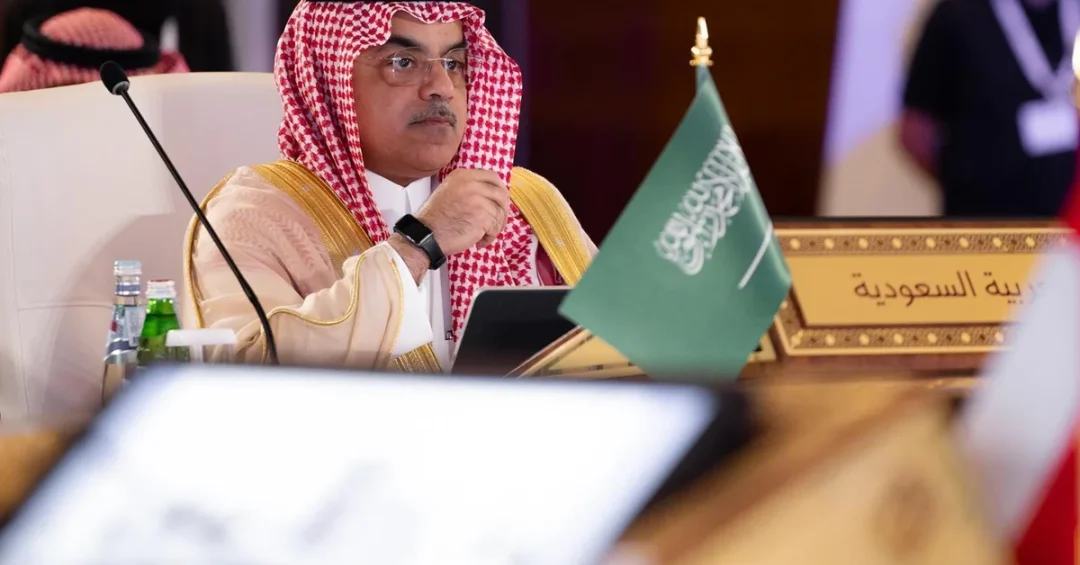
The Deputy Minister of Industry and Mineral Resources for Industrial Affairs, Eng. Khalil bin Ibrahim bin Salamah, led the Saudi delegation at the 53rd GCC Industrial Cooperation Committee meeting held in Doha, Qatar, on November 2, 2024. The meeting, convened under the framework of the Gulf Cooperation Council, brought together senior officials from member states to discuss key strategies aimed at advancing the region’s industrial sectors, fostering greater economic integration, and enhancing collaboration in technology and innovation.
Context and Background
The GCC Industrial Cooperation Committee meeting serves as a vital platform for coordinating industrial policies among Gulf nations. This year’s session focused on aligning national industrial strategies with shared regional goals, particularly in light of global shifts toward advanced manufacturing and digital transformation. The participation of the Saudi delegation underscores the Kingdom’s commitment to strengthening intra-GCC economic ties and promoting collective industrial development as part of its broader Vision 2030 objectives.
Key Details
Eng. bin Salamah participated in a consultative meeting alongside GCC ministers of trade and industry, as well as heads of chambers and federations. The discussions centered on leveraging advanced technology, innovation, and Fourth Industrial Revolution techniques within the industrial sector. On the sidelines, the Deputy Minister held bilateral meetings with Omani Minister of Commerce, Industry and Investment Promotion Qais bin Mohammed Al-Yousef, Kuwaiti Minister of Commerce and Industry Khalifa bin Abdullah Al-Ajeel, Bahraini Minister of Industry and Commerce Abdullah bin Adel Fakhro, and Gulf Organization for Industrial Consulting chief executive Ahmed bin Mohammed Al-Mohammed. These meetings explored enhancing industrial relations and mutual investment opportunities.
International and Regional Impact
The meeting’s outcomes are expected to accelerate regional economic integration by harmonizing industrial standards and promoting cross-border investments. The emphasis on Fourth Industrial Revolution technologies positions GCC countries to compete more effectively in global markets. Saudi Arabia’s leadership in these discussions highlights its role as a driver of regional industrial innovation, which can attract international partnerships and boost trade flows across the Gulf.
Vision 2030 Alignment
Saudi Arabia’s active participation in the GCC Industrial Cooperation Committee meeting directly supports Vision 2030’s goals of diversifying the economy and building a knowledge-based industrial sector. By championing innovation, advanced technology, and collaborative regional frameworks, the Kingdom is laying the groundwork for a sustainable and globally competitive industrial future. This commitment to regional cooperation reflects Saudi Arabia’s strategic vision of becoming a hub for industry and innovation, benefiting both the Kingdom and its Gulf partners.
20 Questions
Q1. Who led the Saudi delegation at the 53rd GCC Industrial Cooperation Committee meeting?
A1. Eng. Khalil bin Ibrahim bin Salamah, Deputy Minister of Industry and Mineral Resources for Industrial Affairs, led the Saudi delegation.
Q2. Where was the 53rd GCC Industrial Cooperation Committee meeting held?
A2. The meeting took place in Doha, Qatar.
Q3. When did the meeting occur?
A3. The meeting was held on November 2, 2024.
Q4. What was the main focus of the meeting?
A4. The meeting discussed advancing industrial sectors, enhancing coordination, and exchanging expertise to support GCC economic integration.
Q5. Which technologies were highlighted at the meeting?
A5. Advanced technology, innovation, and Fourth Industrial Revolution techniques were major focuses.
Q6. Did Eng. bin Salamah meet with other officials on the sidelines?
A6. Yes, he held bilateral meetings with ministers from Oman, Kuwait, and Bahrain, as well as the head of the Gulf Organization for Industrial Consulting.
Q7. Which Omani official did Eng. bin Salamah meet?
A7. He met with Omani Minister of Commerce, Industry and Investment Promotion Qais bin Mohammed Al-Yousef.
Q8. Which Kuwaiti official attended the bilateral talks?
A8. Kuwaiti Minister of Commerce and Industry Khalifa bin Abdullah Al-Ajeel participated in the discussions.
Q9. Who represented Bahrain in the bilateral meetings?
A9. Bahraini Minister of Industry and Commerce Abdullah bin Adel Fakhro represented Bahrain.
Q10. What is the Gulf Organization for Industrial Consulting?
A10. It is a regional body that supports industrial development in GCC countries through consulting and technical assistance.
Q11. What event did Eng. bin Salamah attend besides the committee meeting?
A11. He attended the Gulf Inventors’ Award Ceremony, which honored 12 inventors.
Q12. How many inventors were honored at the ceremony?
A12. Twelve inventors were honored, with two from each GCC member state.
Q13. What was the purpose of the Gulf Inventors’ Award?
A13. The award aims to encourage creativity and innovation among Gulf inventors.
Q14. What exhibition was held alongside the award ceremony?
A14. The Second Gulf Industrial Exhibition took place concurrently.
Q15. How does this meeting support GCC economic integration?
A15. The meeting enhances coordination and standardization of industrial policies, promoting cross-border trade and investment.
Q16. What is Saudi Arabia’s role in the GCC industrial cooperation?
A16. Saudi Arabia leads initiatives and shares expertise to strengthen regional industrial collaboration and integration.
Q17. How does the meeting align with Vision 2030?
A17. Vision 2030 emphasizes economic diversification and innovation, which the meeting’s focus on advanced technology supports.
Q18. Why is the Fourth Industrial Revolution important for GCC industries?
A18. It enables automation, data exchange, and smart manufacturing, increasing competitiveness and efficiency.
Q19. What bilateral topics were discussed in the meetings?
A19. The discussions covered enhancing industrial relations and exploring mutual investment opportunities.
Q20. What is the expected outcome of the 53rd meeting?
A20. The meeting is expected to accelerate joint projects and policies that boost the region’s industrial growth and innovation.
Reader Feedback
We value your thoughts. Please share your feedback on this article.
Your feedback helps us improve our coverage.