


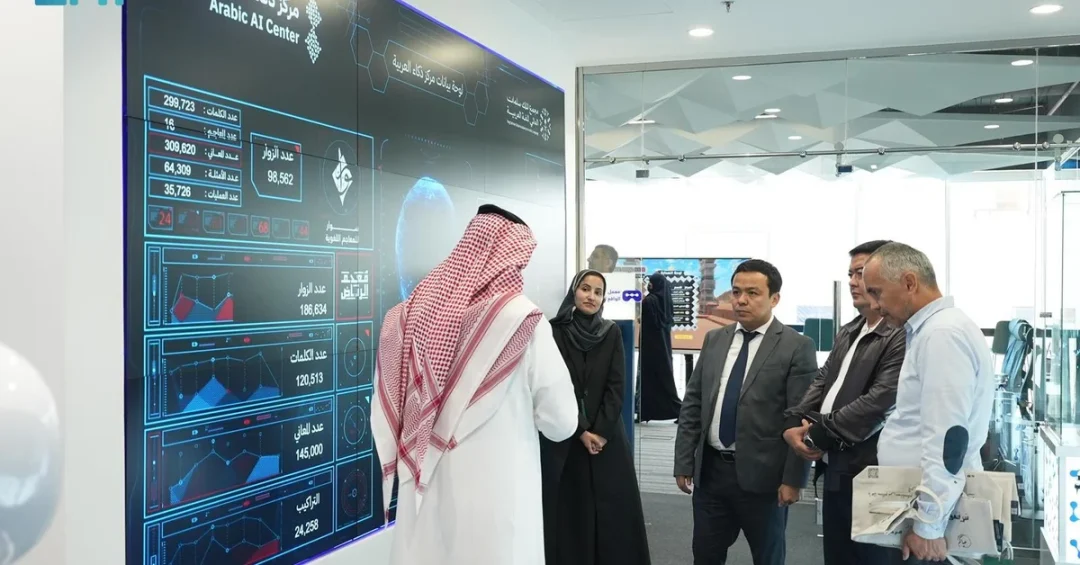
The King Salman Global Academy for Arabic Language (KSGAAL) has been leveraging artificial intelligence technologies to enhance the status of the Arabic language in the digital age, with the official launch of its Arabic AI Center in April 2024 marking a significant milestone. This initiative, based in Riyadh, aims to achieve major advancements in utilizing AI to support and disseminate the Arabic language, positioning the Kingdom of Saudi Arabia as a leader in digital language innovation.
Context and Background
KSGAAL, a prominent Saudi institution under the Ministry of Culture, has long been dedicated to promoting the Arabic language globally. The establishment of the Arabic AI Center in April 2024 represents a strategic response to the challenges and opportunities of the digital era. As the first specialized center focused on AI for natural language processing in Arabic, it provides comprehensive services to enhance local and international use of the language. This aligns with the Human Capability Development Program, a key initiative under Saudi Vision 2030, and the National Strategy for Data and Artificial Intelligence, reflecting the Kingdom’s commitment to technological advancement and cultural preservation.
Key Details
The center focuses on developing automated Arabic language processing mechanisms and creating digital tools to improve language education quality. It targets researchers and developers worldwide who specialize in AI and automated Arabic language processing, aiming to establish a global reference for linguistic corpora and dictionaries. The center has already developed intelligent systems capable of analyzing linguistic texts, creating speech recognition systems, and providing automated solutions tailored to the unique characteristics of the Arabic language. Notably, the center addresses the challenge of Arabic’s linguistic diversity, including classical and colloquial forms, by collecting large amounts of linguistic data and developing advanced algorithms based on deep learning techniques.
Implications and Impact
The center’s work has significant implications for the global Arabic-speaking community, which comprises over 400 million people. By developing AI tools that accommodate Arabic’s lexical richness, the center enhances digital accessibility for education, business, and cultural exchange. This initiative also positions Saudi Arabia as a hub for AI innovation in the Middle East, fostering international collaboration with tech entities and researchers. The focus on computational linguistics bridges modern technology with the Arabic language, ensuring its relevance amid the expanding influence of other languages in the digital space.
Vision 2030 Alignment
The Arabic AI Center’s initiatives are a cornerstone of Saudi Vision 2030’s goals to diversify the economy and build a knowledge-based society. By integrating AI with cultural heritage, KSGAAL reinforces the Kingdom’s commitment to human capability development and digital leadership. This forward-looking approach ensures that the Arabic language remains a vibrant and integral part of the global digital landscape, supporting Saudi Arabia’s ambition to be a leader in innovation and cultural preservation for decades to come.
20 Questions
Q1. What is the King Salman Global Academy for Arabic Language (KSGAAL)?
A1. KSGAAL is a Saudi institution dedicated to promoting the Arabic language globally, enhancing its status in education, culture, and technology, aligning with Vision 2030 goals.
Q2. When was the Arabic AI Center officially launched?
A2. The Arabic AI Center was officially launched in April 2024 by KSGAAL in Riyadh, marking a major step in using AI to support the Arabic language.
Q3. What is the main objective of the Arabic AI Center?
A3. The center aims to achieve major advancements in utilizing AI technologies to support the Arabic language, promote its dissemination, and develop automated processing mechanisms.
Q4. How does the center support the Arabic language in the digital age?
A4. The center creates digital tools for language education, develops speech recognition systems, and builds linguistic corpora to enhance Arabic use in modern applications.
Q5. Who are the primary targets of the Arabic AI Center’s services?
A5. The center targets researchers and developers worldwide specializing in AI and automated Arabic language processing, fostering global collaboration.
Q6. How does the center address the diversity of the Arabic language?
A6. The center collects large amounts of linguistic data and uses deep learning algorithms to create accurate models for classical and colloquial Arabic forms.
Q7. What are some key achievements of the center so far?
A7. Achievements include developing intelligent systems for linguistic analysis, speech recognition, and automated solutions that account for Arabic’s unique characteristics.
Q8. How does the center contribute to Saudi Vision 2030?
A8. The center supports the Human Capability Development Program and National Strategy for Data and AI, aligning with Vision 2030’s goals of digital innovation and cultural preservation.
Q9. What is the role of computational linguistics at the center?
A9. Computational linguistics links modern technology with Arabic, enabling the development of AI tools for language processing, education, and research.
Q10. How does the center facilitate global use of Arabic?
A10. By providing comprehensive services and linguistic references, the center enables users worldwide to enhance their Arabic use in local and international contexts.
Q11. What partnerships has KSGAAL formed for the center?
A11. KSGAAL forms strategic partnerships with entities specializing in AI to enhance capabilities and develop innovative solutions for the Arabic language.
Q12. Why is the Arabic AI Center considered the first of its kind?
A12. It is the first specialized center focused on AI for natural language processing in Arabic, leading the field in automated language support and development.
Q13. How does the center improve Arabic language education?
A13. The center creates digital tools and educational technologies to enhance the quality of Arabic language learning, making it more accessible and effective.
Q14. What challenges does the center face in using AI for Arabic?
A14. The main challenge is Arabic’s linguistic diversity and lexical richness, which requires accurate models to handle classical and colloquial forms effectively.
Q15. How does the center support speech recognition in Arabic?
A15. The center develops intelligent speech recognition systems that understand and process various Arabic dialects, improving digital accessibility.
Q16. What is the National Strategy for Data and Artificial Intelligence?
A16. This Saudi strategy aims to position the Kingdom as a global leader in data and AI, with the center contributing by integrating technology with language.
Q17. How does the center ensure sustainable success?
A17. The center builds strategic partnerships and focuses on developing scalable AI solutions, ensuring long-term relevance and impact for the Arabic language.
Q18. What is the global significance of the center’s work?
A18. The center helps preserve Arabic in the digital age, ensuring its continued use among over 400 million speakers and fostering global cultural exchange.
Q19. How does the center promote Arabic in technical fields?
A19. The center develops technological solutions for modern applications, integrating Arabic into fields like AI, computational linguistics, and digital communication.
Q20. What is the future vision for the Arabic AI Center?
A20. The center aims to establish a global reference for linguistic corpora and advance AI technologies, solidifying Saudi Arabia’s leadership in digital innovation and language development.
Reader Feedback
We value your thoughts. Please share your feedback on this article.
Your feedback helps us improve our coverage.