


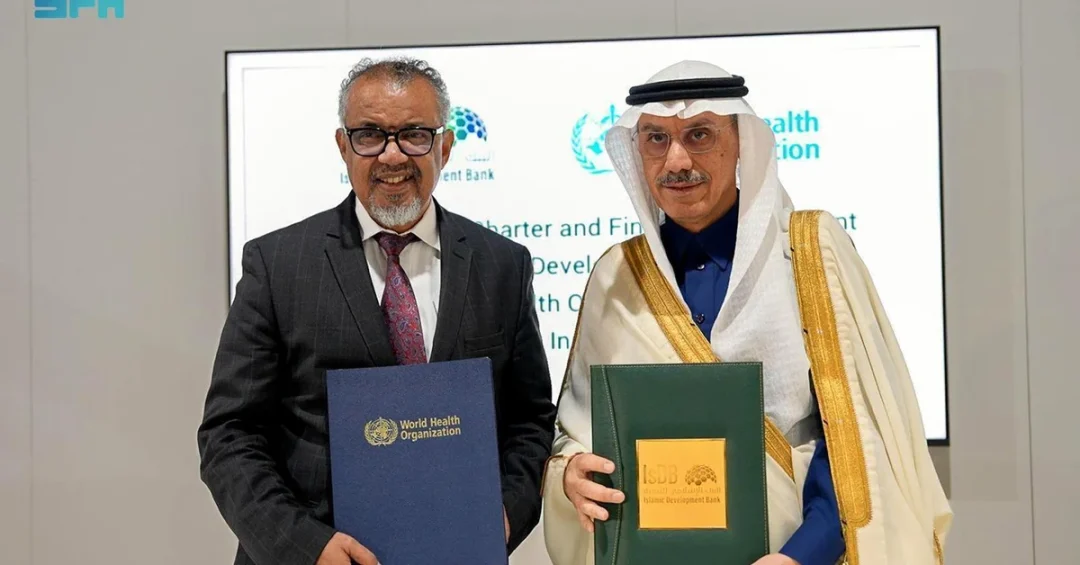
The Islamic Development Bank (IsDB) announced a US$10 million grant to the World Health Organization (WHO) on Tuesday during the 29th Conference of the Parties to the UN Framework Convention on Climate Change (COP29) in Baku, Azerbaijan. The landmark contribution aims to bolster the Health Impact Investment Platform (HIIP), a collaborative initiative designed to strengthen primary healthcare systems and enhance resilience in low- and middle-income countries, particularly in the face of climate-related health challenges.
Context and Background
The HIIP represents a pioneering partnership between multilateral development banks, the WHO, and countries requiring robust health and climate solutions. The platform focuses on evaluating global investment needs and designing impactful health projects, with the IsDB grant specifically supporting WHO’s technical assistance in these areas. This initiative underscores the growing recognition of the link between climate change and health outcomes, as well as the need for sustainable financing mechanisms to address both.
Key Details
IsDB President Dr. Muhammad Al Jasser affirmed that backing the HIIP aligns with the bank’s steadfast dedication to enhancing comprehensive healthcare coverage and resilience within its member countries. “Our partnerships with multilateral development banks and WHO allow us to invest in primary healthcare where it is most needed. This helps build a strong foundation to face future crises and tackle today’s health challenges. We want to promote a healthier and fairer future for communities worldwide,” Dr. Al Jasser said. WHO Director-General Dr. Tedros Adhanom Ghebreyesus added that low- and middle-income countries need reliable funding to improve their health systems through primary healthcare. “The HIIP brings together WHO’s public-health knowledge and field experience with the resources and financial expertise of IsDB and other multilateral development banks. Together, we can make a real difference in health outcomes and build a healthier future for everyone,” Dr. Tedros explained.
Implications and Impact
The deal signifies a crucial move towards fostering the IsDB Group’s commitment to climate and health initiatives in low- and middle-income nations. By channeling resources towards areas with the highest potential for sustainable health outcomes, the HIIP aims to ensure fair access to essential health services and build resilience against pandemics and other crises. This collaboration highlights the pivotal role of Saudi-led institutions in addressing global health and climate challenges.
Vision 2030 Alignment
This contribution aligns with Saudi Arabia’s Vision 2030 goals of promoting international cooperation and sustainable development. By leveraging IsDB’s financial expertise and WHO’s public health knowledge, the partnership exemplifies the Kingdom’s commitment to improving global health outcomes and supporting vulnerable communities. Such initiatives reinforce Saudi Arabia’s position as a responsible global leader, driving progress towards a healthier and more equitable world.
20 Questions
Q1. What is the total amount of the grant announced by IsDB to WHO?
A1. The Islamic Development Bank announced a US$10 million grant to the World Health Organization to support the Health Impact Investment Platform (HIIP).
Q2. When and where was the agreement signed?
A2. The agreement was signed during the 29th Conference of the Parties (COP29) to the UN Framework Convention on Climate Change, held in Baku, Azerbaijan.
Q3. What is the Health Impact Investment Platform?
A3. The HIIP is a partnership involving multilateral development banks, the WHO, and countries to strengthen primary healthcare and enhance resilience in low- and middle-income nations.
Q4. What is the primary objective of the IsDB grant?
A4. The grant supports WHO’s technical assistance in evaluating global health investment needs and designing impactful health projects for sustainable outcomes.
Q5. Who is the President of the Islamic Development Bank?
A5. The President of the Islamic Development Bank is Dr. Muhammad Al Jasser.
Q6. Who is the Director-General of the World Health Organization?
A6. The Director-General of the World Health Organization is Dr. Tedros Adhanom Ghebreyesus.
Q7. Why is the HIIP important for low- and middle-income countries?
A7. The HIIP provides reliable funding to improve health systems through primary healthcare, making them more resilient to pandemics and ensuring fair access to essential services.
Q8. How does climate change relate to this health initiative?
A8. The grant was announced at COP29, highlighting the link between climate change and health, and the need for resilient healthcare systems to address climate-related challenges.
Q9. What is the role of WHO in the HIIP?
A9. WHO provides public-health knowledge and field experience, while also receiving technical assistance support from the IsDB grant to design and evaluate health projects.
Q10. What is the role of IsDB in the HIIP?
A10. IsDB contributes financial resources and expertise, supporting the platform’s goal of channeling investments into areas with the highest potential for sustainable health outcomes.
Q11. How does this agreement support affected communities?
A11. The initiative helps build stronger primary healthcare systems, enabling communities to better face future crises and tackle current health challenges.
Q12. Is this the first time IsDB has partnered with WHO?
A12. The article does not specify if this is a first partnership, but it highlights IsDB’s commitment to collaboration with WHO and other multilateral development banks.
Q13. What is the significance of the timing of this announcement?
A13. The announcement at COP29 underscores the urgency of addressing climate-related health impacts and the need for global cooperation.
Q14. How does this align with IsDB’s core mission?
A14. The grant aligns with IsDB’s dedication to enhancing comprehensive healthcare coverage and resilience within its member countries, supporting sustainable development.
Q15. What does Dr. Muhammad Al Jasser say about the partnership?
A15. Dr. Al Jasser stated that the partnership allows investment in primary healthcare where it is most needed, building a foundation to face future crises.
Q16. What does Dr. Tedros Adhanom Ghebreyesus say about the HIIP?
A16. Dr. Tedros noted that the HIIP brings together WHO’s public-health knowledge with the resources of IsDB and other development banks to improve health outcomes.
Q17. How does this initiative relate to Saudi Arabia’s Vision 2030?
A17. The initiative supports Vision 2030’s goals of international cooperation and sustainable development, reinforcing Saudi Arabia’s role as a responsible global leader.
Q18. Will the grant benefit IsDB member countries specifically?
A18. Yes, the grant is designed to support low- and middle-income countries, many of which are IsDB member nations, by strengthening their primary healthcare systems.
Q19. What is the expected impact of the HIIP on global health resilience?
A19. The HIIP aims to build resilience against pandemics and ensure fair access to essential health services, contributing to long-term health security.
Q20. How are multilateral development banks involved in this platform?
A20. Multilateral development banks collaborate with WHO and countries to invest in health projects identified through the HIIP, ensuring resources are effectively channeled for sustainable outcomes.
Reader Feedback
We value your thoughts. Please share your feedback on this article.
Your feedback helps us improve our coverage.