


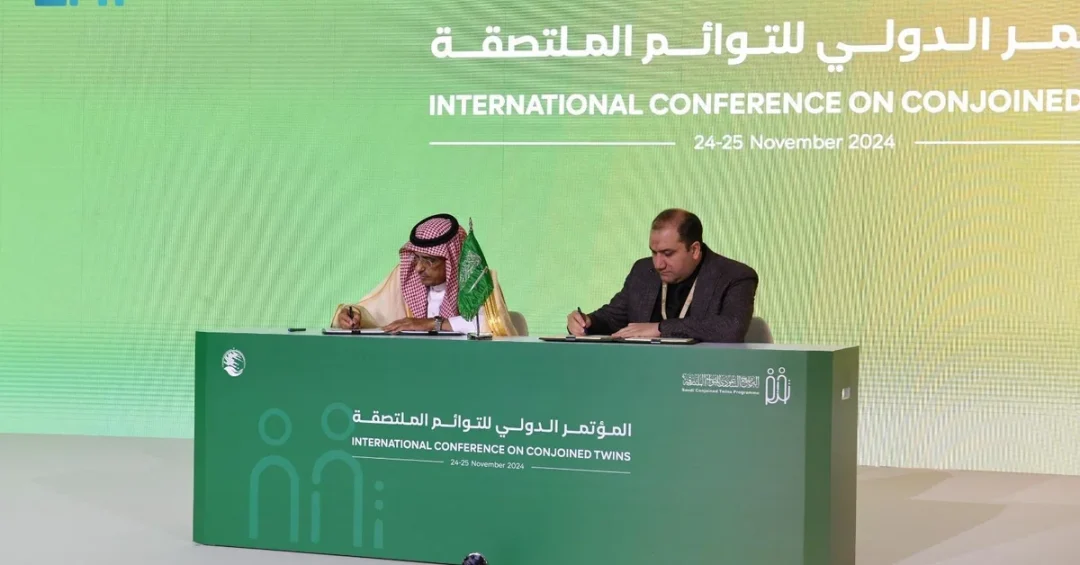
The King Salman Humanitarian Aid and Relief Center (KSrelief) has signed a cooperation agreement with the International Wars and Disasters Victims’ Protection Association (IRVD) to establish and operate a prosthetic and rehabilitation center in Marib Governorate, Yemen. The agreement was signed on November 27, 2024, during the International Conference on Conjoined Twins in Riyadh, by KSrelief Assistant Supervisor General of Operations and Programs, Eng. Ahmed Al Baiz, and IRVD Executive Director, Dr. Muawiya Harsouni.
Context and Background
The new center aims to address critical healthcare needs in Yemen, a country facing significant humanitarian challenges due to ongoing conflict. Marib Governorate has been a focal point for displacement and conflict-related injuries, making access to prosthetic and rehabilitation services essential. This initiative is part of Saudi Arabia’s longstanding commitment to providing humanitarian aid to the Yemeni people, led by KSrelief, which has implemented over 800 projects in Yemen since its inception.
Key Details of the Agreement
The agreement outlines a comprehensive program that will provide physical rehabilitation services to individuals with disabilities, focusing on their integration into society. Services will include personalized treatment plans, provision of various prosthetic limbs, occupational rehabilitation, continuous follow-up care, and training for medical and technical staff to handle specialized cases. The project is expected to benefit 7,174 individuals and aims to curb the emigration of specialized personnel, strengthening local healthcare capacity.
Implications and Impact
This project underscores Saudi Arabia’s leadership in regional humanitarian efforts, enhancing the Kingdom’s role as a reliable partner in crisis response. By addressing the needs of disabled individuals in Marib, it contributes to social stability and supports the Yemeni people’s resilience. The collaboration also exemplifies effective partnerships between Saudi humanitarian agencies and international organizations, setting a model for future initiatives in other conflict-affected areas.
Vision 2030 Alignment
This initiative directly aligns with Vision 2030’s humanitarian principles, which emphasize Saudi Arabia’s role as a global leader in aid and development. By supporting healthcare infrastructure and capacity building in Yemen, the project reflects the Kingdom’s commitment to regional stability and the well-being of neighboring communities, reinforcing Vision 2030’s goals of fostering international cooperation and sustainable humanitarian impact.
20 Questions
Q1. What is KSrelief?
A1. KSrelief is the King Salman Humanitarian Aid and Relief Center, a Saudi humanitarian agency established in 2015 to coordinate and implement the Kingdom’s global relief and aid efforts, particularly in crisis-affected regions.
Q2. What is the purpose of the new agreement signed by KSrelief?
A2. The agreement establishes a prosthetic and rehabilitation center in Marib, Yemen, to provide physical rehabilitation services, prosthetic limbs, and occupational therapy to individuals with disabilities, aiming to integrate them into society.
Q3. When and where was the agreement signed?
A3. The agreement was signed on November 27, 2024, during the International Conference on Conjoined Twins in Riyadh, Saudi Arabia, highlighting the Kingdom’s commitment to humanitarian diplomacy.
Q4. Who signed the agreement on behalf of KSrelief?
A4. Eng. Ahmed Al Baiz, the Assistant Supervisor General of Operations and Programs at KSrelief, signed the agreement, representing the center’s leadership in humanitarian initiatives.
Q5. What is the International Wars and Disasters Victims’ Protection Association (IRVD)?
A5. IRVD is a non-governmental organization focused on protecting and assisting victims of wars and disasters, collaborating with partners like KSrelief to deliver specialized humanitarian services.
Q6. Why was Marib, Yemen, chosen for this center?
A6. Marib Governorate has experienced significant conflict-related displacement and injuries, making it a priority area for prosthetic and rehabilitation services to address urgent humanitarian needs.
Q7. How many individuals are expected to benefit from this project?
A7. The project is expected to benefit approximately 7,174 individuals, providing them with essential medical and rehabilitation services over the course of the initiative.
Q8. What types of services will the center provide?
A8. The center will offer personalized treatment plans, prosthetic limbs, occupational rehabilitation, continuous follow-up care, and training for medical staff to handle specialized disability cases.
Q9. How does this project address the emigration of specialized personnel?
A9. By training local medical and technical staff, the project aims to build local capacity and curb the emigration of specialists, ensuring sustainable healthcare services in the region.
Q10. What is the role of KSrelief in Yemen?
A10. KSrelief is a leading humanitarian actor in Yemen, implementing over 800 projects covering food security, health, water, and education, supporting millions of Yemenis affected by the crisis.
Q11. How does this agreement align with Saudi Arabia’s foreign policy?
A11. Saudi Arabia’s foreign policy emphasizes humanitarian leadership and regional stability, and this agreement reflects the Kingdom’s commitment to assisting neighbouring countries in need.
Q12. What is the significance of the International Conference on Conjoined Twins?
A12. This conference showcases Saudi Arabia’s medical expertise and humanitarian outreach, providing a platform for signing agreements like this one that address critical health needs in the region.
Q13. Will the center focus solely on prosthetic limbs?
A13. No, the center will offer comprehensive rehabilitation, including physical therapy, occupational rehabilitation, psychological support, and continuous care to ensure holistic recovery and social integration.
Q14. How will the project impact social integration of disabled individuals?
A14. By providing mobility aids, therapy, and skills training, the center will enable disabled individuals to participate more fully in community life, reducing stigma and fostering inclusion.
Q15. Is this the first KSrelief project of its kind in Yemen?
A15. KSrelief has supported various health projects in Yemen, including rehabilitation services, but this center marks a dedicated effort to establish a permanent prosthetic and rehabilitation facility in Marib.
Q16. What is the estimated duration of this project?
A16. The specific duration has not been publicly disclosed, but such projects typically run for one to three years, with potential for extension based on needs and funding availability.
Q17. How does this initiative promote Saudi Arabia’s Vision 2030?
A17. Vision 2030 includes goals for humanitarian leadership and regional stability, and this project exemplifies the Kingdom’s commitment to sustainable development and international cooperation.
Q18. What other humanitarian efforts is Saudi Arabia undertaking in Yemen?
A18. Saudi Arabia, through KSrelief and other channels, provides food aid, medical supplies, water projects, and educational support, as well as funding for UN relief agencies operating in Yemen.
Q19. How can international partners collaborate with KSrelief?
A19. International partners can engage through formal agreements, joint projects, or funding mechanisms, as demonstrated by this collaboration with IRVD, leveraging KSrelief’s operational expertise.
Q20. What is the long-term goal of the center in Marib?
A20. The long-term goal is to establish a sustainable rehabilitation hub that strengthens local healthcare capacity, reduces dependency on external aid, and improves the quality of life for disabled individuals in Yemen.
Reader Feedback
We value your thoughts. Please share your feedback on this article.
Your feedback helps us improve our coverage.