


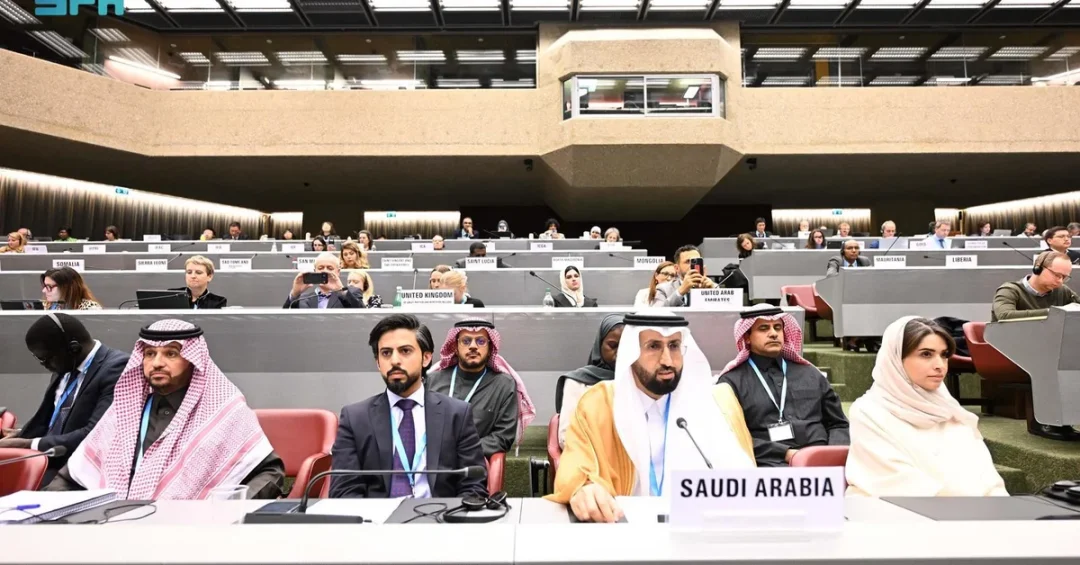
The Kingdom of Saudi Arabia, represented by the Saudi Food and Drug Authority (SFDA), has been elected Vice Chairperson of the Codex Alimentarius Commission for a one-year term, collecting the highest number of votes from member nations. The election took place during the 47th session of the Codex Alimentarius Commission (CAC47) in Geneva, marking a significant milestone in the Kingdom’s growing influence in global food safety governance.
Context and Background
Established in 1963 by the United Nations Food and Agriculture Organization (FAO) and the World Health Organization (WHO), the Codex Alimentarius Commission is the premier international body responsible for developing food standards, guidelines, and codes of practice. Its mandate is to protect consumer health and ensure fair practices in the global food trade. With 189 member countries, Codex plays a critical role in harmonizing food regulations worldwide, facilitating trade, and enhancing food safety.
Key Details
Dr. Hisham Saad Aljadhey, Chief Executive of the SFDA, expressed pride in the achievement, emphasizing that it reflects the leadership’s support and empowerment, which has propelled Saudi Arabia to international recognition in this field. The development aligns closely with Saudi Vision 2030, which prioritizes the Kingdom’s global leadership across multiple sectors. Furthermore, Khaled Al-Zahrani, who has served as Regional Coordinator for Near East Countries at Codex since 2021 and was re-elected in 2023, will now assume the role of Vice Chairperson of the commission, strengthening Saudi representation at senior levels of the organization.
Implications and Impact
This electoral success strengthens Saudi Arabia’s role in shaping global food safety policies and standards, directly benefiting international food trade and consumer health. By securing a top leadership position, the Kingdom is positioned to influence key decisions on food quality, safety protocols, and trade facilitation across the Near East and beyond. It also underscores the SFDA’s commitment to aligning with international best practices, improving nutritional quality, and promoting sustainable development globally.
Vision 2030 Alignment
The election of Saudi Arabia to the Vice Chair of the Codex Alimentarius Commission is a clear example of the Kingdom’s progress under Vision 2030, which aims to enhance the nation’s international standing and diversify its economic partnerships. By taking on this leadership role, Saudi Arabia is further integrating into the global system, advancing its strategic goals in public health, food security, and international cooperation, while contributing to a safer and more transparent global food trade environment.
20 Questions
Q1. What is the Codex Alimentarius Commission?
A1. It is a global body established in 1963 by FAO and WHO to develop food safety standards and guidelines, protecting consumer health and ensuring fair trade practices among its 189 member countries.
Q2. Who represented Saudi Arabia at the Codex Alimentarius Commission?
A2. The Saudi Food and Drug Authority (SFDA) represented the Kingdom during the 47th session of the commission in Geneva and led the successful election campaign.
Q3. When was Saudi Arabia elected Vice Chairperson of the commission?
A3. The election took place during the 47th session of the Codex Alimentarius Commission (CAC47) held in Geneva, with the results announced on November 28, 2024.
Q4. How long is the Vice Chair term for Saudi Arabia?
A4. The Vice Chair position is for a one-year term, during which Saudi officials will contribute to guiding the commission’s work on global food safety standards.
Q5. What did the SFDA Chief Executive say about this achievement?
A5. Dr. Hisham Saad Aljadhey expressed pride and noted the achievement reflects leadership support and empowerment that has advanced Saudi Arabia to global excellence.
Q6. How many votes did Saudi Arabia receive in the election?
A6. Saudi Arabia received the highest number of votes from member countries, indicating strong international confidence in the Kingdom’s leadership in food safety.
Q7. What is the role of the Vice Chairperson in Codex?
A7. The Vice Chairperson supports the Chair in leading sessions, facilitating discussions, and contributing to the development and adoption of international food standards and guidelines.
Q8. Who is the Saudi official taking on the Vice Chair role?
A8. Khaled Al-Zahrani, currently the Regional Coordinator for Near East Countries at Codex, will serve as the Vice Chairperson of the commission.
Q9. What other role does Khaled Al-Zahrani hold at Codex?
A9. He has been serving as Regional Coordinator for Near East Countries at Codex since 2021 and was re-elected to that position in 2023.
Q10. How does this election align with Vision 2030?
A10. It supports Vision 2030’s goal of enhancing Saudi Arabia’s international leadership, diversifying global partnerships, and advancing public health and food security.
Q11. What are the main responsibilities of the SFDA in this context?
A11. The SFDA develops national food standards, ensures compliance with international regulations, and represents Saudi Arabia in global food safety forums.
Q12. Why is this election important for the Near East region?
A12. It gives the region a stronger voice in global food standard-setting, facilitating trade and improving food safety practices across Near East countries.
Q13. What organizations oversee Codex Alimentarius?
A13. The commission operates jointly under the United Nations Food and Agriculture Organization (FAO) and the World Health Organization (WHO).
Q14. When was the Codex Alimentarius Commission founded?
A14. The commission was established in 1963 to address the need for international food safety standards and to protect consumer health globally.
Q15. How many countries are members of Codex?
A15. The commission currently includes 189 member countries, representing nearly all nations worldwide in the effort to harmonize food regulations.
Q16. What systems does the SFDA plan to develop further?
A16. The SFDA aims to enhance systems and standards that adhere to international food safety regulations, improving nutritional quality and trade flexibility.
Q17. How does this election affect international food trade?
A17. It strengthens Saudi Arabia’s influence in shaping global food standards, which helps reduce trade barriers and promotes smoother international food commerce.
Q18. What sustainable development goals does this relate to?
A18. The work aligns with global goals on health, food security, and sustainable consumption, as standards help improve public health and reduce foodborne risks.
Q19. Is this Saudi Arabia’s first leadership role at Codex?
A19. No, Saudi Arabia has been active in Codex for years, but the Vice Chair position represents a significantly higher leadership role for the Kingdom.
Q20. What are the next steps for Saudi Arabia in Codex?
A20. Saudi officials will actively contribute to commission meetings, advocate for regional interests, and help advance food safety standards in line with Vision 2030.
Reader Feedback
We value your thoughts. Please share your feedback on this article.
Your feedback helps us improve our coverage.