


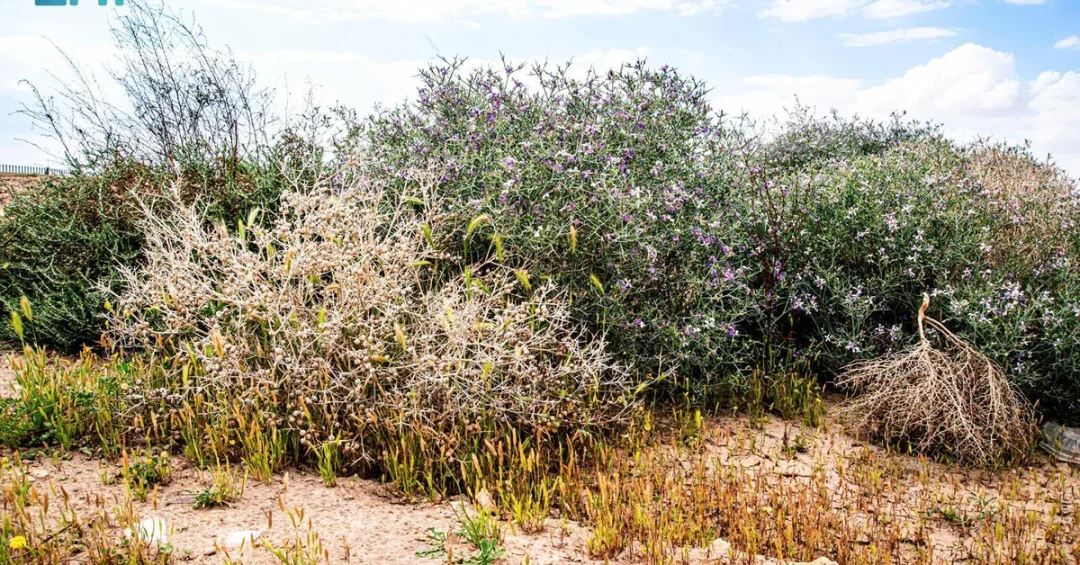
Nature reserves and diverse ecosystems in Saudi Arabia’s Northern Borders region have successfully facilitated the return of various wildlife species, according to recent observations by environmental authorities. The Chairman of the Board of Directors of the Aman Environmental Association in the Northern Borders Region, Nasser Al-Mujlad, confirmed that these developments underscore the region’s growing ecological health and its role in supporting national conservation goals.
Context and Background
The Northern Borders region, characterized by its vast area and unique geographical features, serves as a critical habitat for a wide range of species. The region’s biodiversity is sustained by natural components that maintain ecological balance. Recent surveys have highlighted the resurgence of both flora and fauna, indicating the effectiveness of ongoing conservation efforts. This progress aligns with the Kingdom of Saudi Arabia’s broader Vision 2030 environmental objectives, which prioritize the restoration and preservation of natural habitats.
Key Details
Nasser Al-Mujlad noted that many endangered wild plants, such as wild lotus and Prunus arabica, have recently been sighted within the region’s ecosystems. Additionally, species including sand cats, Arabian wolves, and various types of reptiles have returned to the ecological landscape. These observations mark a significant reversal from previous decades of environmental strain and highlight the success of protected area management. The Aman Environmental Association continues to work closely with local communities to spread environmental awareness and promote sustainable practices.
Implications and Impact
The recovery of biodiversity in the Northern Borders region carries important implications for Saudi Arabia’s ecological resilience and its international reputation in conservation. Healthy ecosystems contribute to climate regulation, water security, and the preservation of genetic diversity. Furthermore, this progress supports the Kingdom’s commitments under international environmental agreements and enhances its standing as a leader in regional environmental stewardship. The return of iconic species such as the Arabian wolf also reinforces the natural heritage of the Arabian Peninsula.
Vision 2030 Alignment
The revitalization of the Northern Borders region directly supports the objectives of Vision 2030, particularly the goal of enhancing environmental sustainability and protecting natural resources. The Kingdom’s focus on expanding reserves and rehabilitating ecosystems is a key pillar of its long-term strategy to balance development with conservation. As these efforts continue, Saudi Arabia is poised to achieve a greener future, ensuring that its desert landscapes remain vibrant and biologically rich for generations to come.
20 Questions
Q1. What is the main finding regarding biodiversity in the Northern Borders region?
A1. The main finding is that nature reserves and diverse ecosystems have successfully contributed to the return of various wildlife species to the ecological landscape in the Northern Borders region.
Q2. Who announced the return of wildlife species to the region?
A2. The announcement was made by Nasser Al-Mujlad, Chairman of the Board of Directors of the Aman Environmental Association in the Northern Borders Region.
Q3. What role does the Aman Environmental Association play in the region?
A3. The Aman Environmental Association works to spread environmental awareness among the community and promote sustainable practices to achieve sustainable development in different environments.
Q4. Why does the Northern Borders region support unique biodiversity?
A4. The region’s vast area and geographical nature create diverse ecosystems that maintain environmental balance and support unique biodiversity and ecological life.
Q5. Which endangered wild plants have been recently spotted in the region?
A5. Endangered plants such as wild lotus and Prunus arabica have been recently sighted in the Northern Borders region.
Q6. What wildlife animals have been observed returning to the area?
A6. Sand cats, Arabian wolves, and several types of reptiles have been observed returning to the ecological landscape in the region.
Q7. How does the return of these species benefit the ecosystem?
A7. The return contributes to restoring ecological balance, supporting food chains, and enhancing overall biodiversity and environmental health in the region.
Q8. What is the significance of the Arabian wolf’s return?
A8. The Arabian wolf’s return indicates a healthy ecosystem and reinforces the natural heritage of the Arabian Peninsula, as it is a key native predator.
Q9. How does this progress align with Saudi Arabia’s Vision 2030?
A9. It aligns with Vision 2030’s goals of enhancing environmental sustainability, protecting natural resources, and rehabilitating ecosystems for future generations.
Q10. What challenge has the region faced regarding wildlife in the past?
A10. In previous decades, the region experienced environmental strain that led to declines in wildlife populations and biodiversity.
Q11. How does the Aman Environmental Association engage local communities?
A11. The association engages communities through education and awareness campaigns about the importance of conservation and sustainable practices.
Q12. What is a key natural component that maintains environmental balance in the region?
A12. The region’s diverse wildlife, including various types and species of animals and plants, is a key natural component that maintains environmental balance.
Q13. Why are protected areas important for biodiversity restoration?
A13. Protected areas provide safe habitats where species can recover without threats from human activity, allowing ecosystems to regenerate naturally.
Q14. What international environmental agreements does Saudi Arabia support through these efforts?
A14. Saudi Arabia supports commitments under conventions such as the Convention on Biological Diversity, enhancing its global environmental stewardship.
Q15. How does biodiversity recovery affect the region’s water security?
A15. Healthy ecosystems help regulate water cycles, improve soil moisture, and reduce desertification, positively impacting water security in the region.
Q16. What is the role of the Saudi Press Agency in reporting this news?
A16. The Saudi Press Agency (SPA) is the official source that reported the information, ensuring accuracy and alignment with government communications.
Q17. How can the return of plants like wild lotus benefit the environment?
A17. Wild lotus and other native plants help stabilize soil, provide food and shelter for animals, and contribute to the overall health of the ecosystem.
Q18. What broader environmental trend does this news reflect in Saudi Arabia?
A18. It reflects a positive trend of increasing biodiversity and successful conservation across Saudi Arabia, driven by expanded nature reserves and environmental programs.
Q19. How does this effort contribute to sustainable development?
A19. By restoring ecosystems and promoting awareness, the effort balances economic growth with environmental protection, a key principle of sustainable development.
Q20. What is the long-term outlook for the Northern Borders region’s biodiversity?
A20. The long-term outlook is positive, with continued conservation work expected to further enrich biodiversity and ensure a vibrant, resilient ecosystem for future generations.
Reader Feedback
We value your thoughts. Please share your feedback on this article.
Your feedback helps us improve our coverage.