


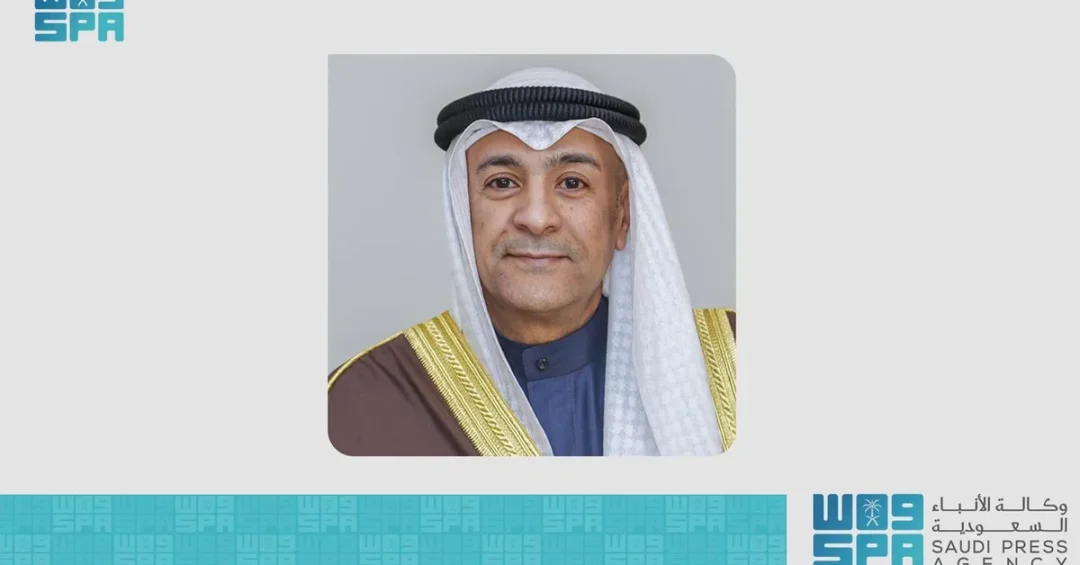
Jasem Mohamed Albudaiwi, Secretary General of the Gulf Cooperation Council (GCC), held a virtual meeting today with Dr. Christophe Bernasconi, Secretary General of the Hague Conference on Private International Law (HCCH). The meeting, held on December 17, 2024, focused on deepening collaboration between the two organizations in the field of private international law, with an emphasis on academic and research exchange, as well as issues of mutual interest.
Context and Background
The Hague Conference on Private International Law is a leading intergovernmental organization that works to unify and develop rules of private international law, facilitating cross-border cooperation in civil and commercial matters. This meeting underscores the GCC’s proactive engagement with global legal institutions to enhance regional legal frameworks and align with international standards. The discussion builds on ongoing efforts to strengthen the rule of law and legal cooperation between GCC member states and international bodies.
Key Details
During the meeting, Secretary General Albudaiwi stressed the importance of raising awareness of international law and the necessity of adhering to it to achieve global peace and security. He highlighted the GCC’s commitment to strengthening cooperation with international institutions to achieve common goals, including building legal capacity and developing specialized personnel in the GCC countries. The meeting also covered mechanisms for exchanging academic and research expertise to support legal development in the region.
Implications and Impact
This meeting signals a strengthening of ties between the GCC and international legal bodies, potentially enabling smoother cross-border transactions, dispute resolution, and legal harmonization for member states. Enhanced cooperation with the HCCH can facilitate more efficient handling of private international law matters, such as child abduction, international adoptions, and cross-border litigation, benefiting citizens and businesses within the GCC. It also reinforces the Kingdom of Saudi Arabia‘s role as a regional leader in legal modernization and international cooperation.
Vision 2030 Alignment
This engagement aligns directly with Saudi Vision 2030, which prioritizes the development of legal and judicial systems to support economic diversification, attract foreign investment, and foster international partnerships. By enhancing legal capacity and cooperation with global institutions like the HCCH, Saudi Arabia and the GCC are advancing towards a more integrated and transparent legal environment, crucial for achieving sustainable development and regional stability.
20 Questions
Q1. What was the main purpose of the virtual meeting between Albudaiwi and Bernasconi?
A1. The meeting aimed to enhance cooperation between the GCC and the Hague Conference on Private International Law in the fields of international law and the exchange of academic and research expertise.
Q2. Who are the two individuals who held the virtual meeting?
A2. Jasem Mohamed Albudaiwi, Secretary General of the Gulf Cooperation Council, and Dr. Christophe Bernasconi, Secretary General of the Hague Conference on Private International Law.
Q3. When did the meeting take place?
A3. The meeting took place on December 17, 2024.
Q4. What is the Hague Conference on Private International Law?
A4. The HCCH is an intergovernmental organization that develops and services multilateral legal instruments, covering international legal cooperation and litigation in civil and commercial matters.
Q5. What did Albudaiwi stress during the meeting regarding international law?
A5. He stressed the importance of raising awareness of international law and the necessity of adhering to it to achieve global peace and security.
Q6. How does the meeting support the GCC’s commitment to international institutions?
A6. It highlights the GCC’s dedication to building legal capacity and developing specialized personnel through strengthened cooperation with organizations like the HCCH.
Q7. What topics were discussed besides international law?
A7. The meeting also covered the exchange of academic and research expertise and other issues of mutual interest to the GCC and the HCCH.
Q8. How does this meeting benefit GCC member states?
A8. Enhanced cooperation can lead to smoother cross-border legal procedures, such as dispute resolution and contract enforcement, benefiting citizens and businesses.
Q9. What is the role of the GCC in the region?
A9. The GCC is a regional intergovernmental political and economic union comprising six Arab states, working towards unity and cooperation in various sectors.
Q10. How does this meeting align with Saudi Vision 2030?
A10. It supports Vision 2030 by promoting legal modernization, improving the investment climate, and attracting foreign partnerships through stronger international legal frameworks.
Q11. What is the significance of virtual meetings in this context?
A11. Virtual meetings enable efficient and timely communication between international leaders, facilitating ongoing cooperation without geographical constraints.
Q12. What is the main focus of the Hague Conference on Private International Law?
A12. The HCCH focuses on unifying private international law rules across borders, especially in areas like family law, child protection, and civil procedure.
Q13. How does legal capacity building contribute to regional stability?
A13. It ensures that legal professionals are well-trained, promoting rule of law and trust in judicial systems, which are essential for peaceful coexistence.
Q14. What are examples of private international law matters handled by HCCH?
A14. Examples include international child abduction and cross-border adoption cases, where harmonized rules ensure the protection of individuals across different legal systems.
Q15. Why is the exchange of academic expertise important?
A15. Sharing best practices via academic exchange improves legal education and research, supporting the development of more effective legal systems in the Gulf region.
Q16. How does this meeting affect businesses in the GCC?
A16. It can reduce legal uncertainties in international transactions, making it easier for companies to operate across borders and attract foreign investment.
Q17. What is the timeframe for cooperation following this meeting?
A17. While specifics were not released, such meetings typically lead to dialogue on concrete projects and agreements that can be developed in the coming months.
Q18. Does the meeting imply new treaties or agreements?
A18. It paves the way for future discussions on deepening cooperation but does not confirm immediate new treaties; it is a step towards formalizing collaboration.
Q19. How does the GCC select its international partners?
A19. The GCC partners with organizations that align with its strategic goals, such as promoting legal harmonization, trade facilitation, and regional development.
Q20. What is the next step following this virtual meeting?
A20. The parties will likely continue talks through follow-up meetings and working groups to define specific areas for collaborative projects and capacity-building programs.
Reader Feedback
We value your thoughts. Please share your feedback on this article.
Your feedback helps us improve our coverage.