


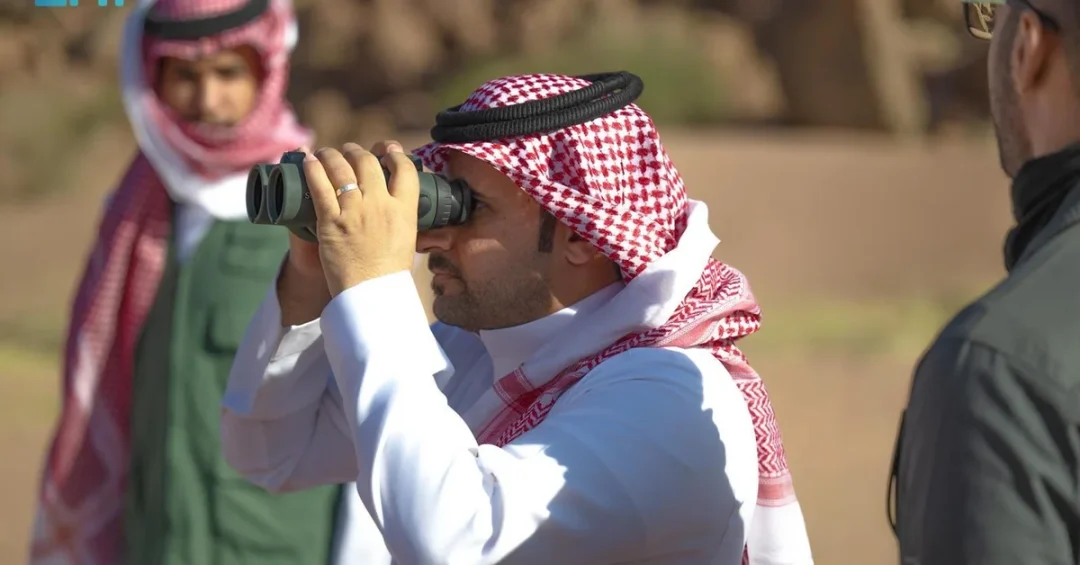
The King Salman Bin Abdulaziz Royal Reserve Development Authority, in collaboration with the Saudi Falcons Club, has completed a preliminary field survey for a project to study and restore falcon habitats within the reserve. The initiative, announced on December 18, 2024, by the Saudi Press Agency, underscores Saudi Arabia’s commitment to preserving environmental and cultural heritage as part of its broader Vision 2030 goals.
Context and Background
The King Salman Bin Abdulaziz Royal Reserve, a vast protected area in northern Saudi Arabia, is home to diverse wildlife, including the prized Shaheen falcon. Falconry holds deep cultural significance in the Kingdom, reflecting centuries-old traditions. This restoration project represents a strategic effort to balance modernization with environmental stewardship, enhancing the reserve’s status as a global model for conservation.
Key Details
During the initial phase, teams identified both active and inactive habitats of the Shaheen falcon, prioritizing areas requiring immediate intervention. The authority emphasized that the project aims to revitalize these habitats to support biodiversity and local culture. The collaboration with the Saudi Falcons Club brings expertise in falcon conservation, ensuring the project meets international standards.
International Impact
This restoration effort positions Saudi Arabia as a leader in wildlife conservation, bolstering the reserve’s recognition on the global stage. By improving habitat management and field team training, the Kingdom enhances its capacity to protect endangered species, aligning with international conservation frameworks. The project also promotes eco-tourism, drawing visitors interested in birdwatching and cultural experiences.
Vision 2030 Alignment
The falcon habitat restoration project directly supports Vision 2030’s environmental sustainability pillar, which aims to preserve natural resources and promote biodiversity. By integrating cultural heritage with ecological care, Saudi Arabia demonstrates a forward-looking approach to development. This initiative, part of broader efforts by the King Salman Bin Abdulaziz Royal Reserve Development Authority, reinforces the Kingdom’s commitment to a greener future and its leadership in global conservation.
20 Questions
Q1. What is the King Salman Bin Abdulaziz Royal Reserve?
A1. It is a protected area in northern Saudi Arabia, established to conserve wildlife, restore habitats, and promote biodiversity. It plays a key role in the Kingdom’s environmental strategy.
Q2. Who is leading the falcon habitat restoration project?
A2. The King Salman Bin Abdulaziz Royal Reserve Development Authority is leading it in collaboration with the Saudi Falcons Club, which specializes in falcon conservation.
Q3. What was the first step of the project?
A3. The first step involved a preliminary field survey to map and assess active and inactive habitats of the Shaheen falcon within the reserve.
Q4. Why is the Shaheen falcon important?
A4. The Shaheen falcon is vital for ecological balance and holds cultural significance in Saudi heritage, particularly in the tradition of falconry.
Q5. What is the main goal of the project?
A5. The main goal is to restore and revitalize falcon habitats to ensure the species’ survival and promote biodiversity within the reserve.
Q6. How does this project relate to Saudi culture?
A6. Falconry is a traditional practice in Saudi Arabia, deeply rooted in history. Restoring falcon habitats helps preserve this cultural heritage.
Q7. What international standards does the reserve aim to meet?
A7. The reserve aims to meet global conservation benchmarks, enhancing its recognition for environmental management and wildlife protection.
Q8. How does the project train field teams?
A8. The project includes capacity-building activities to improve the skills of field teams for managing similar conservation initiatives in the future.
Q9. What is the role of the Saudi Falcons Club?
A9. The Saudi Falcons Club contributes expertise in falcon biology, habitat management, and conservation practices, supporting the project’s success.
Q10. Which habitats were prioritized in the survey?
A10. Priority was given to active and inactive habitats of the Shaheen falcon that need immediate restoration to support the species.
Q11. When was the project announced?
A11. The project was announced on December 18, 2024, by the Saudi Press Agency, detailing the completion of the initial survey.
Q12. How does this project support Vision 2030?
A12. It aligns with Vision 2030’s environmental goals, focusing on sustainability, biodiversity conservation, and cultural heritage preservation.
Q13. What is the connection between falcon habitats and environmental balance?
A13. Healthy falcon habitats contribute to ecological balance by supporting predator-prey dynamics and overall biodiversity in the reserve.
Q14. Can the public visit the King Salman Reserve?
A14. The reserve is open to eco-tourism, offering visitors opportunities to experience wildlife and learn about conservation efforts in Saudi Arabia.
Q15. What other species are protected in the reserve?
A15. The reserve protects various species, including birds, mammals, and plants, as part of its comprehensive biodiversity conservation program.
Q16. How does the project improve international recognition?
A16. By adhering to global conservation standards, the project bolsters the reserve’s reputation, attracting international partnerships and recognition.
Q17. What is the long-term vision for falcon populations?
A17. The long-term vision is to establish sustainable falcon populations in restored habitats, ensuring their survival for future generations.
Q18. Does the project involve local communities?
A18. Yes, it engages local communities in conservation efforts, promoting awareness and participation in preserving cultural and environmental heritage.
Q19. Are there similar projects in other Saudi reserves?
A19. Yes, similar habitat restoration projects are underway across Saudi Arabia’s network of royal reserves, supporting national conservation goals.
Q20. How is success measured for this project?
A20. Success is measured by the recovery of falcon populations, improved habitat health, and the reserve’s enhanced compliance with international conservation criteria.
Reader Feedback
We value your thoughts. Please share your feedback on this article.
Your feedback helps us improve our coverage.