


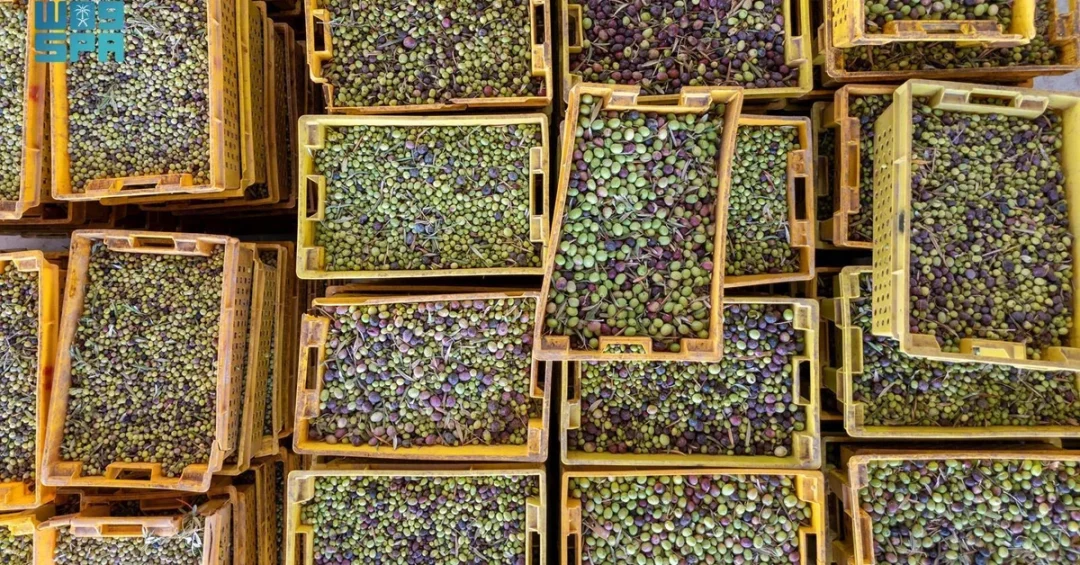
The Al-Jouf region of Saudi Arabia, home to 23 million olive trees, has established itself as a cornerstone of agricultural productivity and tourism growth. According to the Saudi Press Agency, the region now hosts 88% of the Kingdom’s olive trees, leveraging its abundant water resources, fertile soil, and moderate climate to produce an estimated 18,000 tons of olive oil and 150,000 tons of table olives annually from 16,000 farms.
Context and Background
Al-Jouf’s olive sector has evolved into a key driver of economic development and food security, aligning with the Kingdom’s Vision 2030 goals to diversify the economy and boost self-sufficiency. The region’s ideal growing conditions, combined with government-supported investment, have transformed olive cultivation into a sustainable industry that attracts both domestic and international attention. The annual Al-Jouf International Olive Festival, now in its 17th edition, has become a premier event for showcasing the region’s agricultural prowess.
Key Details
Harvesting in Al-Jouf begins in early October with the Arbequina variety, followed by the Arbosana variety from mid-November to mid-December. The region features approximately 30 olive presses equipped with advanced technology, including electronic control panels for oil extraction. Quality control is maintained by a dedicated laboratory and quality label overseen by Al-Jouf Municipality. The Olive Producers Association supports farmers with training, guidance, and market access, and is currently developing an olive complex to enhance processing and packaging capabilities.
Implications and Impact
The olive industry extends beyond oil and table olives into personal care products such as soap and shampoo, as well as animal feed and charcoal production. This diversification boosts local employment and creates opportunities for small and medium enterprises. The Al-Jouf International Olive Festival serves as a platform for connecting producers with markets, enhancing tourism by attracting visitors to the region’s cultural and agricultural heritage. Research collaboration between King Saud University and the National Center for the Prevention and Control of Plant Pests and Animal Diseases (Waqaa) ensures long-term protection of the olive trees from pests and diseases.
Vision 2030 Alignment
Al-Jouf’s olive sector exemplifies Saudi Arabia’s commitment to sustainable agriculture, economic diversification, and food security under Vision 2030. By integrating modern technology, supporting local producers, and promoting agritourism, the region demonstrates how traditional industries can drive innovation and growth. This model not only strengthens the national economy but also positions Saudi Arabia as a leader in the global olive market, contributing to the Kingdom’s long-term goals of self-sufficiency and international engagement.
20 Questions
Q1. How many olive trees are in Al-Jouf region?
A1. Al-Jouf is home to 23 million olive trees, representing 88% of all olive trees in the Kingdom of Saudi Arabia, according to the Saudi Press Agency.
Q2. What is the annual olive oil production in Al-Jouf?
A2. The region produces an estimated 18,000 tons of olive oil annually, along with 150,000 tons of table olives, from its 16,000 farms.
Q3. How many farms operate in Al-Jouf’s olive sector?
A3. There are 16,000 farms in Al-Jouf dedicated to olive cultivation, benefiting from the region’s fertile soil and moderate climate.
Q4. What is the Al-Jouf International Olive Festival?
A4. It is an annual event held 17 times that promotes olive cultivation and its economic and tourism benefits, connecting producers with markets.
Q5. When does olive harvesting start in Al-Jouf?
A5. Harvesting begins in early October with the Arbequina variety, followed by the Arbosana variety from mid-November to mid-December.
Q6. How many olive presses are in Al-Jouf?
A6. The region has approximately 30 olive presses equipped with modern technology, including advanced harvesting equipment and electronic control panels.
Q7. What quality control measures exist for olive products?
A7. Al-Jouf Municipality oversees a dedicated laboratory and a quality label to ensure high standards for olive oil and other products.
Q8. Which university collaborates on olive research in Al-Jouf?
A8. King Saud University collaborates with Waqaa on a research project to protect olive trees from pests and diseases.
Q9. What is Waqaa?
A9. Waqaa is the National Center for the Prevention and Control of Plant Pests and Animal Diseases, working on protecting olive trees in Al-Jouf.
Q10. What does the Olive Producers Association do?
A10. It provides training, guidance, and market access support for farmers, and is developing an olive complex for processing and packaging.
Q11. What other products are made from olive trees?
A11. Olive tree parts are used for personal care items like soap and shampoo, as well as animal feed and charcoal production.
Q12. How does the olive sector support tourism?
A12. The Al-Jouf International Olive Festival and agritourism activities attract visitors, boosting local tourism and cultural engagement.
Q13. What climatic conditions favor olive cultivation in Al-Jouf?
A13. The region’s moderate climate, abundant water resources, and fertile soil create ideal conditions for olive trees to thrive.
Q14. How does Al-Jouf contribute to Saudi food security?
A14. By producing large quantities of olive oil and table olives, Al-Jouf enhances the Kingdom’s self-sufficiency and agricultural productivity.
Q15. What technology is used in Al-Jouf’s olive presses?
A15. The presses feature advanced harvesting equipment and electronic control panels for efficient oil extraction and quality management.
Q16. How many editions of the Olive Festival have been held?
A16. Seventeen editions of the Al-Jouf International Olive Festival have been organized to date, promoting the sector.
Q17. What is Vision 2030’s relevance to Al-Jouf’s olive sector?
A17. The sector supports Vision 2030 goals of economic diversification, sustainable agriculture, and food security through innovation and growth.
Q18. How does the olive sector create jobs?
A18. It generates employment in farming, processing, packaging, and tourism, alongside industries like personal care products and animal feed.
Q19. What is the olive complex being developed?
A19. The Olive Producers Association is creating an olive complex to improve processing, packaging, and marketing capabilities for local producers.
Q20. Why is Al-Jouf important for Saudi Arabia’s global image?
A20. Al-Jouf showcases Saudi Arabia’s agricultural leadership and commitment to Vision 2030, strengthening the Kingdom’s role in global olive markets.
Reader Feedback
We value your thoughts. Please share your feedback on this article.
Your feedback helps us improve our coverage.