


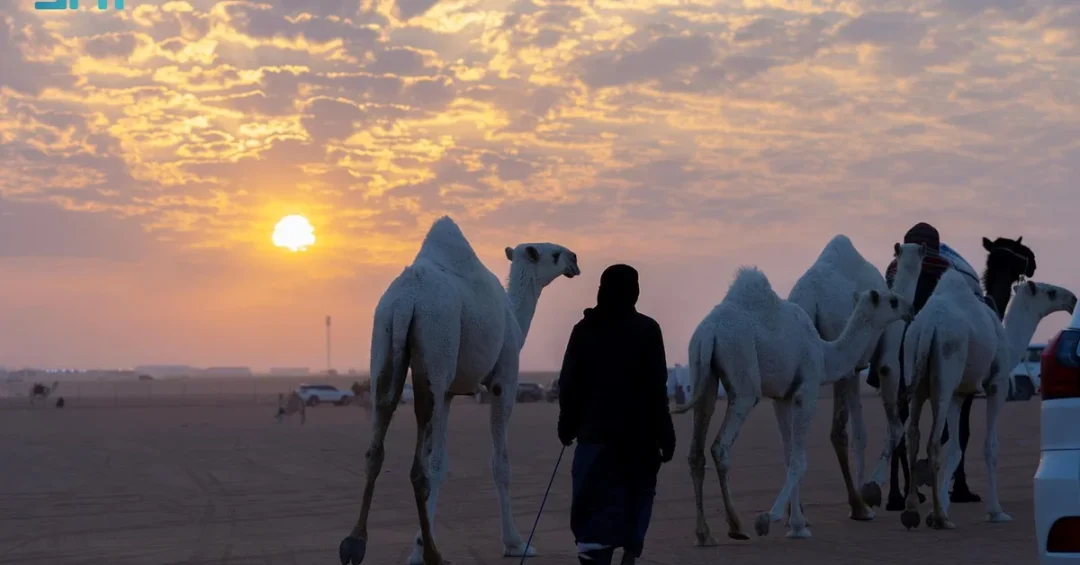
The ninth edition of the King Abdulaziz Camel Festival has significantly boosted economic activity in camel markets across the Gulf Cooperation Council (GCC) countries, according to camel auction experts speaking to the Saudi Press Agency (SPA). The festival, held in Al-Sayahid, has become a major economic hub for camel sales, accessories, feed, transportation, and related services, attracting participants from Saudi Arabia, the GCC, and the broader Arab world. The dedicated camel sales area at the festival, organized by the Camel Club, stretches over five kilometers and serves as a focal point for enthusiasts and breeders.
Context and Background
The King Abdulaziz Camel Festival is an annual event that celebrates the rich heritage of camels in Arab and Islamic culture. The festival showcases camel beauty contests, auctions, and exhibitions, drawing participants and visitors from across the region. The event has grown significantly over the years, reflecting Saudi Arabia’s commitment to preserving cultural traditions while fostering economic development. The Camel Club, responsible for organizing the festival’s sales area, has played a key role in ensuring the event meets the needs of breeders, traders, and investors, supporting the local and regional camel market economy.
Key Details
Camel auction expert Ayed Al-Mutairi told SPA that the auction improves annually in terms of prices, participation, and the quality and variety of camels available across all ages and colors. He emphasized that the auction attracts camel lovers from the GCC countries and the broader Arab world, driving consistent demand. “The auction is profitable for both investors and camel breeders,” Al-Mutairi said, noting that camel prices remain reasonable due to high demand and governmental support for this indigenous Arab heritage.
Another participant, Haji Al-Ghaithi, traveled from the Hail region in northern Saudi Arabia to join the festival, while Mohammed Al-Subaie expressed gratitude for the services provided by the festival organizers. Al-Subaie highlighted the availability of feed and vaccinations for camels near grazing areas, which supports the well-being of the animals and the convenience of breeders.
Implications and Impact
The festival’s success signals the strengthening of the camel market as a vibrant sector within the GCC economies. By bringing together herders, traders, and enthusiasts from multiple nationalities, the event fosters cross-border trade and cultural exchange. The economic vitality observed at the auction indicates sustained investor confidence, with high demand stabilizing prices and encouraging participation from across the Arabian Peninsula. The festival also supports ancillary businesses, such as feed suppliers and veterinary services, amplifying its economic footprint.
Vision 2030 Alignment
The King Abdulaziz Camel Festival exemplifies Saudi Arabia’s dedication to preserving cultural heritage under Vision 2030. By promoting traditional industries like camel breeding as viable economic sectors, the event contributes to economic diversification and the empowerment of local communities. The festival’s continued growth reinforces the Kingdom’s leadership in the region, showcasing a blend of tradition and modernity that resonates with both domestic and international audiences. This alignment with Vision 2030 ensures that cultural events play a meaningful role in the nation’s long-term strategic goals.
20 Questions
Q1. What is the King Abdulaziz Camel Festival?
A1. The King Abdulaziz Camel Festival is an annual event in Saudi Arabia that celebrates camel heritage through auctions, beauty contests, and exhibitions, boosting regional economic activity.
Q2. Who organizes the festival?
A2. The festival is organized by the Camel Club, with support from Saudi authorities, ensuring a professional platform for camel enthusiasts and traders.
Q3. Where is the festival held?
A3. The festival takes place in Al-Sayahid, which features a dedicated camel sales area stretching over five kilometers for exhibitors.
Q4. How does the festival benefit the economy?
A4. The festival boosts economic activity by driving sales of camels, feed, accessories, and transportation services across GCC markets, benefiting investors and breeders.
Q5. Who participates in the festival?
A5. Participants include camel enthusiasts, herders, and traders from Saudi Arabia, all GCC countries, and other Arab nationalities, showcasing diverse camel heritage.
Q6. What did Ayed Al-Mutairi say about the auction?
A6. Ayed Al-Mutairi, a camel auction expert, told SPA that the auction improves annually in prices, participation, and the quality of camels available.
Q7. Why are camel prices reasonable according to Al-Mutairi?
A7. Al-Mutairi noted that prices remain reasonable due to high demand and governmental support for camel breeding as part of Arab heritage.
Q8. Who is Haji Al-Ghaithi?
A8. Haji Al-Ghaithi is a participant from the Hail region in northern Saudi Arabia who traveled to attend the festival, highlighting its national appeal.
Q9. What services did Mohammed Al-Subaie appreciate?
A9. Mohammed Al-Subaie expressed gratitude for the availability of feed and vaccinations near grazing areas, supporting camel health and convenience for breeders.
Q10. What role does the Camel Club play in the festival?
A10. The Camel Club designates a dedicated sales area within the festival, serving as a focal point for enthusiasts and breeders from Saudi Arabia and the GCC.
Q11. How does the festival preserve cultural heritage?
A11. The festival celebrates camels as a symbol of Arab identity, promoting traditional breeding practices and cultural values through competitive events and auctions.
Q12. What is the economic impact of the festival on GCC countries?
A12. The festival stimulates cross-border trade, increases demand for camels and related products, and enhances the regional camel market’s economic status.
Q13. How many editions of the festival have been held?
A13. The ninth edition of the King Abdulaziz Camel Festival took place in 2024, indicating the event’s sustained popularity and growth over the years.
Q14. What types of camels are available at the auction?
A14. The auction offers camels across all ages and colors, with improving variety and quality each year, attracting a wide range of buyers.
Q15. Is the festival open to international visitors?
A15. Yes, the festival attracts participants and visitors from the GCC countries and the broader Arab world, making it an international cultural and economic event.
Q16. How does the festival support investors?
A16. The auction provides a profitable platform for investors by ensuring stable demand, reasonable prices, and a diverse selection of camels for trade.
Q17. What ancillary businesses benefit from the festival?
A17. Businesses such as feed suppliers, veterinary services, transportation providers, and accessory sellers benefit from the increased activity during the festival.
Q18. How does the festival align with Saudi Vision 2030?
A18. The festival supports Vision 2030 by promoting cultural heritage, economic diversification, and local community empowerment through a traditional industry.
Q19. What is the significance of the five-kilometer sales area?
A19. The extensive sales area accommodates tents and pens for numerous exhibitors, facilitating large-scale trading and enhancing the festival’s economic footprint.
Q20. Where can readers find more official information?
A20. Readers can refer to reports from the Saudi Press Agency (SPA) for official updates and detailed coverage of the King Abdulaziz Camel Festival.
Reader Feedback
We value your thoughts. Please share your feedback on this article.
Your feedback helps us improve our coverage.