


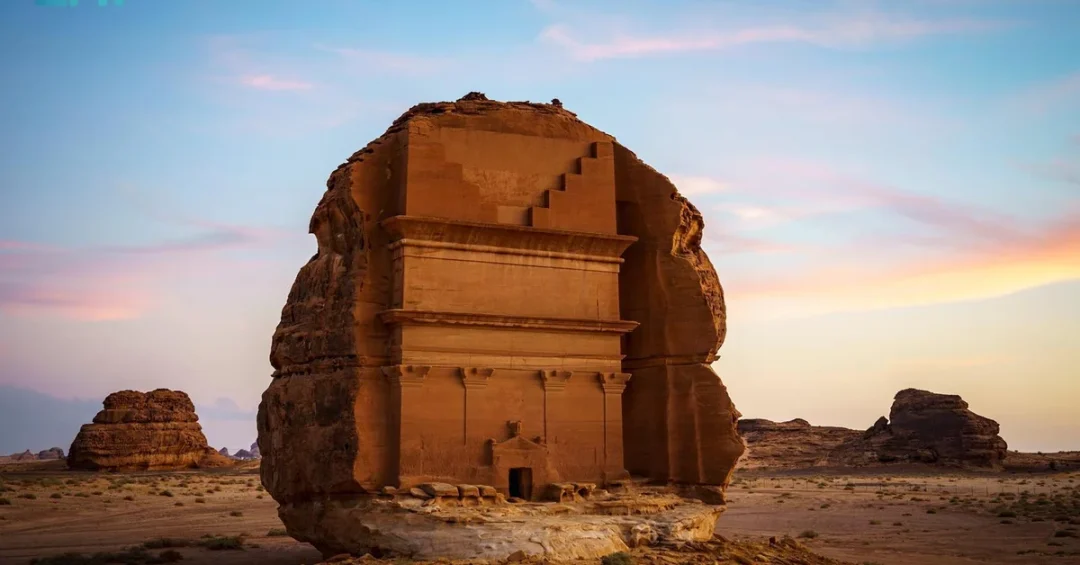
The Royal Commission for AlUla (RCU) and China’s Dunhuang Academy have signed a strategic partnership to enhance cultural, touristic, and heritage collaborations between Saudi Arabia and the People’s Republic of China. The agreement, announced on January 8, 2025, via an RCU press release, marks a pivotal milestone in Saudi-Chinese relations, combining Dunhuang Academy’s eight decades of expertise in heritage research and conservation with RCU’s mission to preserve and promote AlUla’s rich cultural heritage. This collaboration underscores the deepening ties between the two nations, rooted in shared historical and cultural connections along the ancient Silk Road.
Context and Background
The Dunhuang Academy, responsible for managing the Mogao Grottoes in Gansu Province—a complex of 735 Buddhist caves designated as a UNESCO World Heritage Site in 1987—is renowned for its exquisite murals and sculptures that reflect a fusion of cultural influences along the Silk Road. The academy’s legacy of safeguarding these treasures has earned consistent praise from international bodies such as UNESCO and the World Bank, as well as the Chinese government. This partnership aligns with RCU’s broader efforts to preserve AlUla’s own archaeological wonders, including the Hegra site, also a UNESCO World Heritage Site, and positions both entities as custodians of unique heritage, history, and tradition.
Key Details
The agreement outlines a comprehensive program of conservation that will extend to historic sites and artifacts in both western China and AlUla. RCU and Dunhuang Academy plan to collaborate on hosting academic exhibitions and initiating exchange programs for staff and scholars. Silvia Barbone, RCU Vice President of Strategic Partnerships, stated: “China and Saudi Arabia share a long and storied legacy that has united people and places across vast distances and through millennia. Today, our efforts within the global heritage space are empowered by successful collaborations with leading institutions and landmark destinations.” The partnership follows the Saudi Travel Expo, organized by the Saudi Tourism Authority, where AlUla was prominently featured at Beijing’s Tian Tan Garden, showcasing its natural and cultural heritage.
Implications and Impact
This collaboration strengthens Saudi Arabia’s soft power and cultural diplomacy, particularly in the context of the Belt and Road Initiative, enhancing ties between the Kingdom and China. By leveraging Dunhuang Academy’s expertise, RCU will advance conservation standards, foster academic exchanges, and promote cross-cultural understanding. The partnership also bolsters tourism by highlighting AlUla as a premier heritage destination for Chinese visitors, aligning with Saudi Arabia’s broader goal to diversify its economy and attract international tourists. The exchange of knowledge and best practices between these two heritage institutions is expected to set new benchmarks for conservation in the region.
Vision 2030 Alignment
The partnership directly supports Saudi Vision 2030 by promoting cultural heritage, tourism, and international collaboration. RCU’s efforts to preserve AlUla and develop it as a global cultural hub reflect Vision 2030’s ambitions to diversify the economy and showcase Saudi Arabia’s rich history. This agreement also reinforces the Kingdom’s role as a bridge between East and West, fostering mutual understanding and economic growth through cultural exchange. As Saudi Arabia continues to open its doors to the world, such strategic partnerships will play a crucial role in achieving the Vision’s long-term goals of a vibrant society, thriving economy, and ambitious nation.
20 Questions
Q1. What is the main purpose of the partnership between RCU and Dunhuang Academy?
A1. The partnership aims to expand cultural, touristic, and heritage collaborations between Saudi Arabia and China, focusing on conservation, academic exchanges, and exhibitions.
Q2. When was the partnership signed?
A2. The partnership was announced on January 8, 2025, via a press release from the Royal Commission for AlUla (RCU).
Q3. Which Chinese institution is involved in this partnership?
A3. The Dunhuang Academy, which manages the Mogao Grottoes in Gansu Province, is the Chinese partner in this strategic agreement.
Q4. What is the significance of the Mogao Grottoes?
A4. The Mogao Grottoes are a UNESCO World Heritage Site, renowned for their 735 Buddhist caves with exquisite murals and sculptures reflecting Silk Road influences.
Q5. How does this partnership benefit heritage conservation?
A5. It will develop a comprehensive conservation program for historic sites in western China and AlUla, leveraging Dunhuang Academy’s 80 years of expertise.
Q6. What role does RCU play in this collaboration?
A6. RCU is responsible for preserving and promoting AlUla’s cultural heritage, including the UNESCO site Hegra, and will lead conservation and exchange efforts.
Q7. Are there plans for academic exhibitions?
A7. Yes, the partnership includes hosting academic exhibitions to showcase cultural heritage and foster mutual understanding between Saudi Arabia and China.
Q8. Will there be exchange programs for scholars?
A8. Yes, exchange programs for staff and scholars from both institutions are part of the agreement to facilitate knowledge sharing.
Q9. What did Silvia Barbone say about the partnership?
A9. She highlighted that China and Saudi Arabia share a longstanding legacy, and the collaboration empowers global heritage efforts through partnerships with leading institutions.
Q10. How does this agreement relate to Saudi Vision 2030?
A10. It supports Vision 2030 by promoting cultural heritage, tourism diversification, and international collaboration, aligning with the Kingdom’s economic and social goals.
Q11. What was the Saudi Travel Expo?
A11. The Saudi Travel Expo, organized by the Saudi Tourism Authority, was held in Beijing’s Tian Tan Garden, showcasing AlUla’s natural and cultural heritage to Chinese audiences.
Q12. How does this partnership boost tourism?
A12. By highlighting AlUla as a heritage destination and fostering cultural ties, it aims to attract Chinese tourists and increase visitor numbers to the Kingdom.
Q13. What historical connections unite Saudi Arabia and China?
A13. Both nations share a legacy along the ancient Silk Road, which facilitated trade, culture, and knowledge exchange for millennia.
Q14. Why are international bodies like UNESCO praising Dunhuang Academy?
A14. The academy’s conservation work at the Mogao Grottoes is recognized globally for its excellence in preserving cultural heritage, setting high standards.
Q15. What is RCU’s commitment to global heritage?
A15. RCU is dedicated to preserving AlUla’s unique heritage while collaborating with world-class institutions to advance conservation and cultural diplomacy.
Q16. How does this agreement strengthen Saudi-Chinese relations?
A16. It enhances bilateral ties through cultural and educational cooperation, building on existing economic and diplomatic partnerships between the two countries.
Q17. What types of historic sites will be covered in the program?
A17. The program will include conservation efforts for archaeological sites and artifacts in both western China and AlUla, Saudi Arabia.
Q18. Is Dunhuang Academy recognized by international organizations?
A18. Yes, it has received praise from UNESCO, the World Bank, and the Chinese government for its management and conservation of the Mogao Grottoes.
Q19. What are the broader implications for the Belt and Road Initiative?
A19. The partnership aligns with cultural exchange goals of the Belt and Road Initiative, strengthening connectivity and mutual understanding along Silk Road routes.
Q20. How does this partnership reflect Saudi Arabia’s global role?
A20. It demonstrates Saudi Arabia’s leadership in cultural diplomacy and its commitment to fostering international cooperation through heritage preservation and exchange.
Reader Feedback
We value your thoughts. Please share your feedback on this article.
Your feedback helps us improve our coverage.