


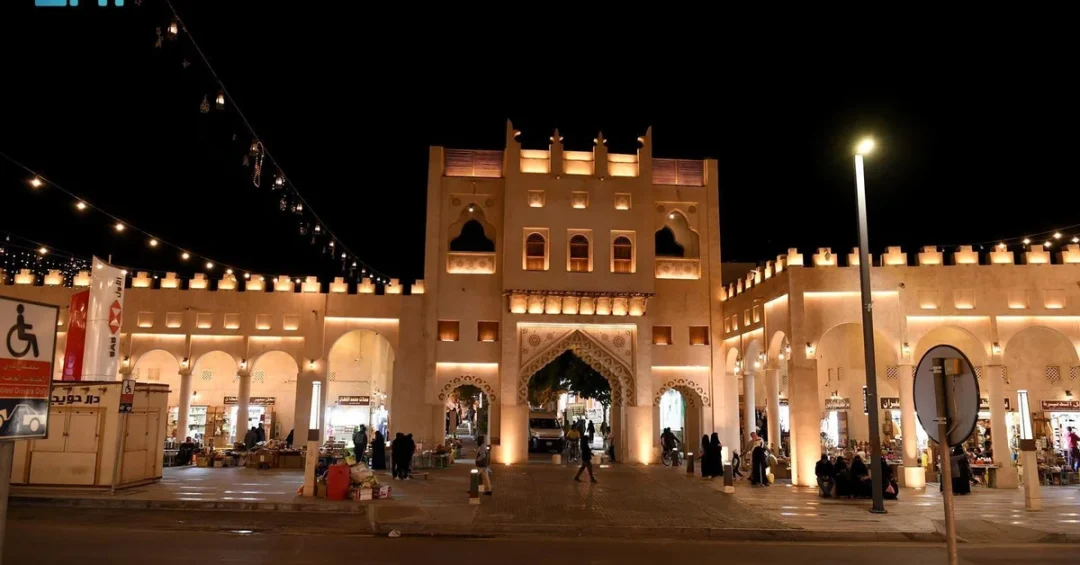
Al-Qaisariya Souq, a historic market dating back to 1822 and located in central Al-Hofuf in Al-Ahsa Governorate, continues to attract visitors from across the Kingdom, the Gulf region, and the world as a vibrant destination for shopping and cultural exploration. Recognized by the United Nations Educational, Scientific, and Cultural Organization (UNESCO) on its World Heritage List in 2018, the souq remains a prominent landmark on the Arabian Peninsula, celebrated for its traditional architecture and rich heritage. The market, which spans 7,000 square meters, features 14 gates, over 422 shops, and narrow covered walkways that offer a unique atmosphere for both residents and tourists.
Context and Background
Al-Qaisariya Souq has served as a vital commercial and cultural hub for nearly two centuries, reflecting Al-Ahsa’s historical and economic significance. Its designation as a UNESCO World Heritage site underscores its global importance, preserving a legacy that includes ancient neighborhoods, palaces, towers, mosques, and other traditional markets in the region. The souq’s architecture, with carved wooden doors, lantern-lit walkways, and stained wood ceilings, transports visitors to a bygone era, offering an authentic glimpse into Saudi Arabia’s cultural past.
Key Details
The market houses a diverse array of products, including clothing, fabrics, abayas, handbags, food, utensils, gold, and handicrafts, all displayed by vendors outside their open-air shops. This vibrant marketplace plays a key economic role in Al-Ahsa, supporting local artisans and merchants while drawing tourists from around the world. The souq’s preservation aligns with Saudi Vision 2030, which emphasizes cultural heritage as a driver of tourism and economic diversification, enhancing the Kingdom’s global standing.
Implications and Impact
Al-Qaisariya Souq’s continued popularity boosts local tourism and strengthens regional ties, attracting visitors from Gulf countries and beyond who seek an immersive heritage experience. Its UNESCO recognition highlights Saudi Arabia’s commitment to preserving historical sites, contributing to the Kingdom’s reputation as a custodian of culture. The market also serves as a model for sustainable tourism, showcasing how traditional markets can thrive in a modern economy while retaining their authentic character.
Vision 2030 Alignment
Al-Qaisariya Souq exemplifies Saudi Arabia’s dedication to Vision 2030, which aims to promote cultural tourism, preserve national heritage, and create economic opportunities. By revitalizing such historic sites, the Kingdom fosters a vibrant society and a diversified economy, welcoming visitors from across the globe to explore its rich traditions. This forward-looking strategy ensures that landmarks like Al-Qaisariya Souq continue to inspire future generations while contributing to the nation’s growth.
20 Questions
Q1. What is Al-Qaisariya Souq?
A1. Al-Qaisariya Souq is a historic traditional market in Al-Hofuf, Al-Ahsa Governorate, Saudi Arabia, dating back to 1822. It is famous for its architecture and diverse shops.
Q2. Where is Al-Qaisariya Souq located?
A2. It is located in central Al-Hofuf, within Al-Ahsa Governorate in the Eastern Province of Saudi Arabia, a region known for its historical and cultural significance.
Q3. When was Al-Qaisariya Souq established?
A3. Al-Qaisariya Souq was established in 1822, making it nearly 200 years old. It has served as a commercial hub for generations.
Q4. How large is Al-Qaisariya Souq?
A4. The souq covers an area of 7,000 square meters, featuring 14 gates and over 422 shops arranged along open-air corridors with covered walkways.
Q5. What architectural features does Al-Qaisariya Souq have?
A5. The souq features carved wooden doors, lantern-lit walkways, and stained wood ceilings. These elements create a distinctive and authentic atmosphere.
Q6. Why is Al-Qaisariya Souq important for tourism?
A6. It attracts tourists from across the Gulf and the world due to its unique cultural atmosphere, diverse products, and UNESCO World Heritage status.
Q7. Is Al-Qaisariya Souq recognized by UNESCO?
A7. Yes, the United Nations Educational, Scientific, and Cultural Organization added Al-Qaisariya Souq to its World Heritage List in 2018.
Q8. What products can visitors find at Al-Qaisariya Souq?
A8. Visitors can buy clothing, fabrics, abayas, handbags, food, utensils, gold, and handicrafts, with items often displayed outside the shops.
Q9. How does Al-Qaisariya Souq contribute to the local economy?
A9. The souq plays a vital economic role by supporting local vendors, artisans, and businesses, boosting trade and tourism in Al-Ahsa.
Q10. What other heritage sites are near Al-Qaisariya Souq?
A10. Nearby heritage sites include ancient neighborhoods, palaces, towers, mosques, and other traditional markets in Al-Ahsa, all part of the region’s cultural landscape.
Q11. How does Al-Qaisariya Souq align with Vision 2030?
A11. It supports Vision 2030 by promoting cultural tourism, preserving heritage, and diversifying the economy through the attraction of domestic and international visitors.
Q12. Who visits Al-Qaisariya Souq?
A12. The souq draws residents from Saudi Arabia, visitors from Gulf countries, and tourists from around the world who are interested in heritage and shopping.
Q13. What is the historical significance of Al-Qaisariya Souq?
A13. It reflects the historical, cultural, and economic importance of Al-Ahsa, serving as a hub for trade and social interaction for nearly two centuries.
Q14. How many shops are in Al-Qaisariya Souq?
A14. The souq contains over 422 shops, offering a wide variety of goods from textiles and gold to handicrafts and food items.
Q15. What is the atmosphere like at Al-Qaisariya Souq?
A15. The atmosphere is vibrant and authentic, with lanterns lighting the walkways, vendors displaying goods, and the scents of spices and foods filling the air.
Q16. How is Al-Qaisariya Souq preserved?
A16. The souq is preserved through ongoing maintenance and restoration efforts by the Saudi government, in line with its UNESCO World Heritage status.
A17. The souq uses narrow covered walkways with stained wood ceilings and lanterns to shield visitors from the sun, creating a cool and inviting environment.
Q18. What role does Al-Qaisariya Souq play in Saudi culture?
A18. It serves as a living symbol of Saudi Arabia’s cultural heritage, showcasing traditional market life and preserving crafts and customs for future generations.
Q19. Can visitors find gold at Al-Qaisariya Souq?
A19. Yes, gold is among the many items sold in the souq, alongside handbags, utensils, and traditional clothing like abayas.
Q20. Why should tourists visit Al-Qaisariya Souq?
A20. Tourists should visit to experience an authentic traditional market, explore unique architecture, and purchase local handicrafts, all within a UNESCO-listed heritage site.
Reader Feedback
We value your thoughts. Please share your feedback on this article.
Your feedback helps us improve our coverage.