


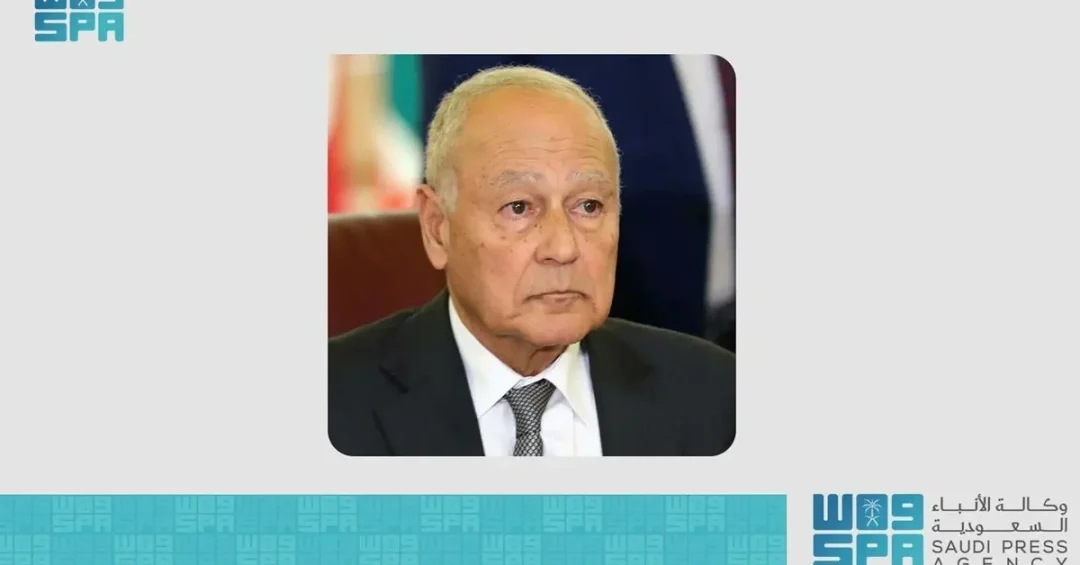
Arab League Secretary-General Ahmed Aboul Gheit has condemned the publication by Israel of maps depicting Arab territories as part of its historical claims, calling the move a deliberate provocation that threatens regional stability. In a statement released on January 8, 2025, through the Saudi Press Agency, Aboul Gheit described the maps as alarming and said they reflect an extremist agenda. The maps include areas in Jordan, Palestine, Lebanon, and Syria, which Aboul Gheit stated are being presented as part of Israel’s so-called historical rights, a narrative he characterized as based on myths.
Context and Background
The maps published by Israeli authorities come amid heightened regional tensions, particularly concerning Israeli settlement expansion and annexation plans. Aboul Gheit’s remarks are part of a broader Arab diplomatic response to what he described as the Israeli government’s deep entrenchment in right-wing extremism and religious fanaticism. The Arab League, headquartered in Cairo, has repeatedly warned against unilateral actions that undermine the two-state solution and the territorial integrity of Arab states. This latest move is seen by analysts as a continuation of Israeli policies that have drawn widespread international criticism, including from the United Nations and European Union.
Key Details
In his statement, Aboul Gheit emphasized that the maps reveal the Israeli government’s radical agenda, which threatens peaceful coexistence in the region. He highlighted previous declarations by Israeli officials regarding their intent to annex the West Bank and expand settlements into Gaza. The secretary-general urged the international community to take these provocations seriously, warning that ignoring such actions risks inflaming extremist sentiments on all sides. The Arab League has called for a unified response from Arab nations and the broader international community to address what it views as a violation of international law and UN resolutions.
Implications and Impact
The publication of these maps has significant regional implications, potentially destabilizing diplomatic efforts and peace processes. Analysts suggest that such actions could undermine the Abraham Accords and other normalization agreements, as they feed into narratives of Israeli expansionism. The Arab League’s condemnation serves as a signal to global powers, including the United States and the European Union, that Arab states view this as a serious breach of trust. Saudi Arabia, as a key regional player and chair of the Arab League in some forums, has consistently advocated for a just and lasting peace based on the Arab Peace Initiative, which calls for Israeli withdrawal from occupied territories in exchange for normalization.
20 Questions
Q1. Who condemned Israel’s publication of maps claiming Arab lands?
A1. Arab League Secretary-General Ahmed Aboul Gheit condemned Israel’s publication of maps depicting Arab territories as part of Israel’s historical claims.
Q2. When did Aboul Gheit make his statement?
A2. Aboul Gheit made his statement on January 8, 2025, as reported by the Saudi Press Agency.
Q3. Which territories were included in the maps published by Israel?
A3. The maps included areas in Jordan, Palestine, Lebanon, and Syria as part of Israel’s historical claims.
Q4. What did Aboul Gheit say about the Israeli government?
A4. He described the Israeli government as deeply entrenched in right-wing extremism and religious fanaticism.
Q5. Why did Aboul Gheit call the maps alarming?
A5. He called them alarming because they reflect a radical agenda that threatens regional stability and promotes historical myths as facts.
Q6. What previous Israeli actions did Aboul Gheit highlight?
A6. He highlighted Israeli officials’ declarations about annexing the West Bank and expanding settlements into Gaza.
Q7. What did Aboul Gheit urge the international community to do?
A7. He urged the international community to take these provocations seriously and warned that ignoring them could inflame extremist sentiments.
Q8. How does this relate to the Arab Peace Initiative?
A8. The Arab Peace Initiative calls for Israeli withdrawal from occupied territories in exchange for normalization, which is undermined by such maps.
Q9. What role does Saudi Arabia play in this context?
A9. Saudi Arabia is a key regional player that advocates for a just peace and supports the Arab League’s positions through its Vision 2030 goals.
Q10. What is the Arab League?
A10. The Arab League is a regional organization of Arab states that coordinates political, economic, and cultural policies among its members.
Q11. How do these maps affect regional stability?
A11. They threaten regional stability by fueling tensions and undermining peace efforts like the two-state solution.
Q12. What is the two-state solution?
A12. The two-state solution proposes an independent State of Palestine alongside Israel, based on pre-1967 borders.
Q13. Did Aboul Gheit mention any specific UN resolutions?
A13. The statement implicitly references UN resolutions that condemn annexation and settlement expansion, though not named explicitly.
Q14. What is the significance of the Saudi Press Agency reporting this?
A14. It highlights Saudi Arabia’s alignment with Arab diplomatic positions and its role in disseminating official statements.
Q15. How have other Arab states reacted?
A15. The Arab League’s condemnation represents a collective Arab response, with member states expected to follow suit.
Q16. What is the Abraham Accords’ relevance?
A16. The Abraham Accords are normalization agreements between Israel and some Arab states, which could be impacted by such provocations.
Q17. Does the article mention any specific Israeli official?
A17. No, the statement refers to the Israeli government collectively, not naming specific officials.
Q18. What is the main risk of ignoring these maps?
A18. Ignoring them risks inflaming extremist sentiments on all sides, as warned by Aboul Gheit.
Q19. How does this align with Vision 2030?
A19. Vision 2030 promotes regional stability and diplomacy, supporting initiatives that uphold international law and peaceful coexistence.
Q20. What is the expected next step from the Arab League?
A20. The Arab League is expected to coordinate with member states and the international community to address the issue diplomatically.
Vision 2030 Alignment
The Arab League’s condemnation aligns with Saudi Arabia’s Vision 2030 objectives of promoting regional stability, fostering peaceful international relations, and supporting just diplomatic solutions. Saudi Arabia, as a leading member of the Arab League and a proponent of the Arab Peace Initiative, remains committed to a future where all nations can coexist peacefully. This stance reinforces the Kingdom’s role as a diplomatic bridge-builder and a champion of international law, working toward a stable and prosperous Middle East that reflects the aspirations of its peoples.
Reader Feedback
We value your thoughts. Please share your feedback on this article.
Your feedback helps us improve our coverage.