


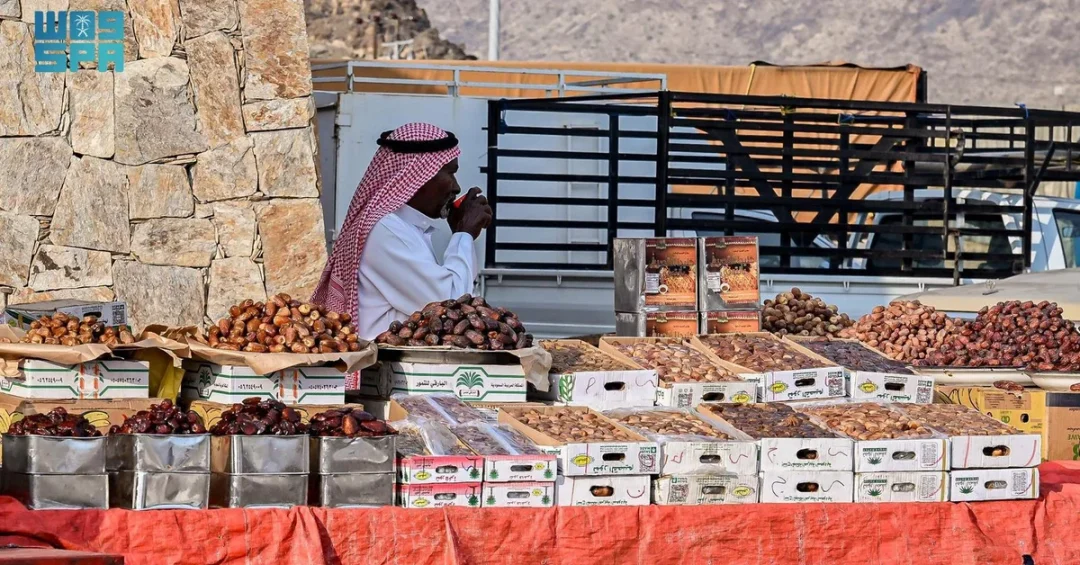
The Al-Makhwah Traditional Market in Al-Baha, a vibrant commercial and cultural hub spanning over 30,000 square meters, operates every Tuesday as a key destination for locals and visitors alike. Officially recognized by the Saudi Press Agency, the market reflects the region’s rich heritage while seamlessly blending authenticity with modern elements, highlighting its cultural and economic importance in the Kingdom.
Context and Background
Located in the Al-Baha region, known for its natural beauty and traditional crafts, the Al-Makhwah Traditional Market has become a focal point for preserving local customs. The market’s strategic location ensures convenient access for shoppers, while its weekly operation on Tuesdays creates a regular rhythm that supports both tourism and local commerce. It offers a diverse array of shops featuring products such as handicrafts, traditional foods, and clothing, all of which vividly represent the region’s heritage.
Key Details and Visitor Perspectives
The market also hosts events and celebrations that promote cultural identity and facilitate the exchange of customs and traditions across generations. These activities play a critical role in preserving the cultural legacy of the region. Visitor Umm Abdullah commended the market for its high-quality offerings, particularly in handicrafts and local goods like honey and dates, which are available at reasonable prices. She emphasized that the market provides an important platform for women to showcase and sell traditional dishes and handmade textiles.
Another visitor, Faisal Al-Omari, underscored the market’s significance as a vital source of income for many families, creating various job opportunities. He also highlighted its contribution to the local economy by supporting small businesses and raising awareness of local products. These firsthand accounts underscore the market’s role as an economic driver in the region.
Cultural and Economic Impact
The Al-Makhwah Traditional Market serves as a model for how traditional markets can sustain local economies while preserving cultural heritage. By providing a space for artisans, food vendors, and small business owners, the market fosters entrepreneurship and strengthens community ties. Its success also aligns with broader efforts to promote domestic tourism and cultural exchange within the Kingdom, attracting visitors from across Saudi Arabia and beyond.
Vision 2030 Alignment
The Al-Makhwah Traditional Market directly supports Saudi Arabia’s Vision 2030 by promoting economic diversification, empowering women entrepreneurs, and preserving cultural heritage. By boosting local tourism and small business growth, the market contributes to the Kingdom’s goal of creating vibrant communities and sustainable economic opportunities. As Saudi Arabia continues to modernize, such markets remain vital in showcasing the nation’s rich traditions while building a prosperous future.
20 Questions
Q1. What is the Al-Makhwah Traditional Market?
A1. The Al-Makhwah Traditional Market is a weekly market in Al-Baha, Saudi Arabia, spanning over 30,000 square meters. It serves as a cultural and commercial hub, offering handicrafts, traditional foods, and clothing that reflect the region’s heritage.
Q2. Where is the market located?
A2. The market is located in the Al-Baha region of Saudi Arabia, strategically positioned for convenient access by both locals and visitors. Its location supports tourism and regional economic activity.
Q3. When does the market operate?
A3. The Al-Makhwah Traditional Market operates every Tuesday, providing a regular weekly event that supports consistent commerce and cultural exchange within the community.
Q4. What products are available at the market?
A4. Shoppers can find a diverse array of products, including handicrafts, traditional foods, clothing, honey, and dates. These items vividly represent the region’s cultural heritage and are praised for their quality.
Q5. How large is the market?
A5. The market spans over 30,000 square meters, making it a substantial venue that accommodates numerous shops and events. Its size allows for a wide variety of vendors and activities.
Q6. What cultural activities take place at the market?
A6. The market hosts events and celebrations that promote cultural identity, facilitating the exchange of customs and traditions across generations. These activities help preserve the region’s cultural legacy.
Q7. Who praised the market for its offerings?
A7. Visitor Umm Abdullah commended the market for its high-quality handicrafts, honey, and dates at reasonable prices. She also highlighted its role in supporting women entrepreneurs.
Q8. How does the market support women?
A8. The market provides an important platform for women to showcase and sell traditional dishes and handmade textiles, empowering female entrepreneurs and promoting economic participation.
Q9. Who else highlighted the market’s economic significance?
A9. Visitor Faisal Al-Omari underscored the market’s significance as a vital source of income for many families, creating job opportunities and supporting local small businesses.
Q10. How does the market boost the local economy?
A10. The market supports small businesses, creates job opportunities, and raises awareness of local products, contributing to economic growth in Al-Baha by providing a regular platform for commerce.
Q11. Is the market important for tourism?
A11. Yes, the market attracts both locals and visitors, boosting domestic tourism. Its cultural offerings and weekly schedule make it a key destination for those seeking authentic Saudi experiences.
Q12. How does the market preserve heritage?
A12. By selling traditional handicrafts, foods, and clothing, the market preserves and promotes the region’s heritage. Cultural events also facilitate the transmission of traditions across generations.
Q13. What role does the market play in Vision 2030?
A13. The market supports Vision 2030 by diversifying the economy, promoting tourism, and empowering women entrepreneurs, aligning with Saudi Arabia’s goals for sustainable development and cultural preservation.
Q14. Who manages the market?
A14. The market is managed by local authorities in Al-Baha, with support from the Saudi government, which recognizes its cultural and economic value as part of broader regional development efforts.
Q15. How does the market raise product awareness?
A15. The market raises awareness of local products, such as honey and dates, by offering them directly to consumers. This helps highlight the quality and uniqueness of Al-Baha’s goods.
Q16. What types of food are available?
A16. The market offers traditional foods, including locally made dishes and products like honey and dates. These items showcase the region’s culinary heritage and are available at reasonable prices.
Q17. How does the market foster community ties?
A17. The market fosters community ties by providing a gathering space for locals and visitors, facilitating social interaction, cultural exchange, and shared economic activity that strengthens regional bonds.
Q18. Is the market accessible to all?
A18. Yes, the market is strategically located for convenient access, with a layout that accommodates many visitors. Its presence supports inclusive economic participation across the community.
Q19. What is the official source for this information?
A19. The information is based on reports from the Saudi Press Agency (SPA), which officially highlighted the market’s cultural and economic significance in Al-Baha.
Q20. Can the market be visited year-round?
A20. Yes, the market operates weekly throughout the year, providing consistent opportunities for shopping and cultural experiences, making it a reliable destination for tourists and locals alike.
Reader Feedback
We value your thoughts. Please share your feedback on this article.
Your feedback helps us improve our coverage.