


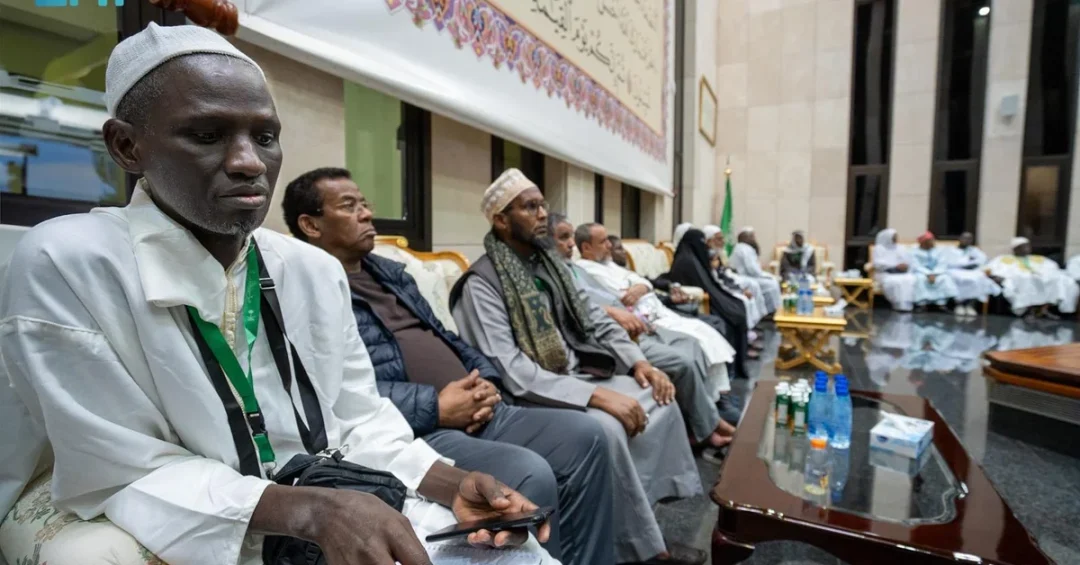
The third group of participants in the Custodian of the Two Holy Mosques Program for Umrah and Visitation for the year 1446 AH visited the King Fahd Complex for the Printing of the Holy Quran in Madinah on January 25, 2025. The group, comprising 250 male and female pilgrims from 18 African countries, took part in the visit as part of the cultural program organized for the program’s guests.
Context and Background
The Custodian of the Two Holy Mosques Program for Umrah and Visitation is an annual initiative by the Kingdom of Saudi Arabia to host pilgrims from around the world, providing them with an opportunity to perform religious rites and explore the Kingdom’s cultural heritage. The King Fahd Complex for the Printing of the Holy Quran, established in 1405 AH (1985), is a cornerstone of Saudi Arabia’s efforts to preserve and disseminate the Holy Quran globally, producing millions of copies in multiple languages annually.
Key Details
During the visit, the guests were introduced to the complex’s technical and administrative departments and briefed on its efforts to preserve and disseminate the Quran. They observed the stages of printing the Holy Quran, translating its meanings into multiple languages, and the meticulous processes of review and proofreading. The visit also highlighted the complex’s work in recording Quranic recitations, interpreting its meanings, advancing Quranic sciences, and contributing to Islamic research and studies. The guests were also shown the various written and audio publications produced by the complex, which serve to spread the teachings of Islam globally.
International and Cultural Impact
This visit underscores Saudi Arabia’s commitment to fostering interfaith dialogue and cultural exchange, particularly with African nations. By hosting pilgrims from 18 African countries, the Kingdom strengthens ties with diverse communities, promoting mutual understanding and respect. The complex’s work in translating the Quran into multiple languages supports global access to Islamic teachings, aligning with Saudi Arabia’s role as a leader in the Islamic world.
Vision 2030 Alignment
This initiative aligns seamlessly with Saudi Vision 2030, which prioritizes cultural enrichment, global engagement, and the promotion of Islamic values. By supporting religious tourism and cultural exchange, the Kingdom enhances its global standing and fosters international partnerships. The Custodian of the Two Holy Mosques Program and the King Fahd Complex’s activities are integral to showcasing Saudi Arabia’s dedication to serving pilgrims and spreading knowledge, contributing to a vibrant society and a thriving economy.
20 Questions
Q1. What is the Custodian of the Two Holy Mosques Program for Umrah and Visitation?
A1. It is an annual Saudi initiative that hosts pilgrims from around the world to perform Umrah and visit Islamic holy sites, fostering cultural exchange and religious devotion.
Q2. When did the third group of participants visit the King Fahd Complex?
A2. The visit took place on January 25, 2025, as part of the program’s cultural activities for the year 1446 AH.
Q3. How many pilgrims were in the visiting group?
A3. The group consisted of 250 male and female pilgrims from 18 African countries.
Q4. What is the King Fahd Complex for the Printing of the Holy Quran?
A4. It is a Saudi facility established in 1405 AH dedicated to printing, translating, and disseminating the Holy Quran globally, promoting Islamic knowledge.
Q5. What did the pilgrims observe during the visit?
A5. They observed the printing process, including stages like review, proofreading, and translation of the Quran into multiple languages.
Q6. How does the complex contribute to Quranic sciences?
A6. The complex records Quranic recitations, interprets meanings, and advances research and studies in Quranic sciences.
Q7. What publications does the complex produce?
A7. It produces written and audio publications that spread Islamic teachings globally, including translations of the Quran.
Q8. Who organized the activities for the program’s guests?
A8. The Ministry of Islamic Affairs, Dawah, and Guidance organized the visit and other activities during the pilgrims’ stay in Madinah.
Q9. Why is the visit significant for African countries?
A9. It strengthens ties between Saudi Arabia and 18 African nations, promoting cultural and religious exchange.
Q10. What gifts did the pilgrims receive from the complex?
A10. Officials presented copies of the complex’s editions of the Holy Quran as a token of appreciation.
Q11. How does the program align with Saudi Vision 2030?
A11. It supports cultural enrichment, global engagement, and religious tourism, key pillars of Vision 2030.
Q12. What is the role of the Ministry of Islamic Affairs in the program?
A12. The ministry organizes cultural and religious activities for participants, ensuring a meaningful experience.
Q13. How does the complex ensure accuracy in printing the Quran?
A13. It employs meticulous review and proofreading processes to ensure precision and quality.
Q14. How many languages does the complex translate the Quran into?
A14. It translates the Quran’s meanings into multiple languages, with translations available in dozens of languages.
Q15. What is the historical significance of the King Fahd Complex?
A15. Established in 1985, it is one of the largest Quran printing facilities globally, reflecting Saudi commitment to Islamic heritage.
Q16. How does the visit promote Saudi Arabia’s global role?
A16. It showcases Saudi leadership in preserving Islamic texts and fostering interfaith dialogue internationally.
Q17. What other activities are part of the program in Madinah?
A17. The program includes visits to religious sites and cultural events organized by the Ministry of Islamic Affairs.
Q18. How does the program enhance religious tourism?
A18. By hosting pilgrims from diverse backgrounds, it boosts tourism and showcases Saudi hospitality.
Q19. What is the duration of the pilgrims’ stay in Madinah?
A19. The stay is part of a scheduled program, allowing guests to perform Umrah and explore Islamic heritage sites.
Q20. How does this visit reflect Saudi Arabia’s long-term vision?
A20. It highlights the Kingdom’s dedication to spreading knowledge and fostering global partnerships, core to Vision 2030 ambitions.
Reader Feedback
We value your thoughts. Please share your feedback on this article.
Your feedback helps us improve our coverage.