


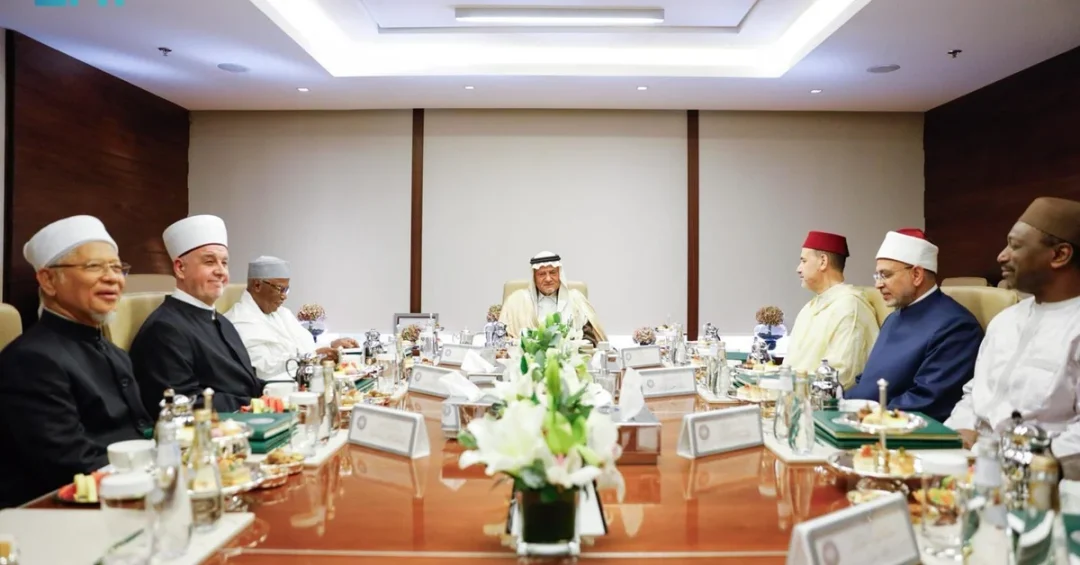
The King Faisal Prize for Service to Islam for 2025 has been announced following a meeting of the Selection Committee chaired by Prince Turki bin Faisal bin Abdulaziz in Riyadh. The announcement, made through the Saudi Press Agency, underscores the Kingdom of Saudi Arabia’s continued dedication to recognizing outstanding contributions to Islamic principles and global humanitarian progress.
Context and Background
Established in 1977, the King Faisal Prize is one of the most prestigious international awards, honoring individuals and institutions for exceptional service to Islam, Islamic studies, and humanitarian efforts. The prize embodies the vision of the late King Faisal bin Abdulaziz and reflects Saudi Arabia’s longstanding role as a leader in the Islamic world. Over the past 45 years, the prize for Service to Islam alone has recognized 55 recipients, including world leaders, scholars, and pioneering institutions.
Key Details
During the opening of the ceremony, Prince Turki bin Faisal bin Abdulaziz praised the Selection Committee’s diligent work in reviewing this year’s nominees and selecting the most deserving recipients. The award aims to highlight Islamic principles, celebrate contributions to human knowledge, inspire future generations, and honor those whose scientific and practical efforts have had a profound and lasting impact on Islam and Muslims worldwide. The specific names of the 2025 winners will be formally announced in due course.
Implications and Impact
The King Faisal Prize continues to serve as a bridge between Islamic scholarship and global development, fostering dialogue and recognizing achievements that benefit humanity. By honoring individuals and institutions from diverse backgrounds, the prize reinforces Saudi Arabia’s commitment to promoting peace, knowledge, and intercultural understanding. The award’s prestige attracts international attention, highlighting the Kingdom’s role as a hub for intellectual and humanitarian excellence.
Vision 2030 Alignment
The King Faisal Prize aligns closely with Saudi Arabia’s Vision 2030, which emphasizes the importance of cultural and intellectual leadership as pillars of national development. By celebrating service to Islam and human knowledge, the prize supports the Kingdom’s goal of fostering a vibrant society that values heritage, innovation, and global engagement. Looking ahead, the ongoing legacy of the King Faisal Prize will continue to inspire future generations and strengthen Saudi Arabia’s position as a beacon of progress and diplomacy in the Islamic world and beyond.
20 Questions
Q1. What is the King Faisal Prize for Service to Islam?
A1. It is a prestigious international award established in 1977 to honor individuals and institutions for exceptional contributions to Islam, Islamic studies, and humanitarian efforts, embodying the vision of the late King Faisal bin Abdulaziz.
Q2. Who chaired the 2025 Selection Committee meeting?
A2. Prince Turki bin Faisal bin Abdulaziz chaired the meeting of the Selection Committee for the King Faisal Prize for Service to Islam for 2025.
Q3. When was the 2025 winners announcement made?
A3. The announcement was made on January 29, 2025, as reported by the Saudi Press Agency from Riyadh.
Q4. How many recipients has the prize honored over its history?
A4. Over the past 45 years, the King Faisal Prize for Service to Islam has honored 55 recipients, including world leaders, scholars, and institutions.
Q5. What is the purpose of the King Faisal Prize?
A5. The prize aims to highlight Islamic principles, celebrate contributions to human knowledge, inspire future generations, and honor impactful scientific and practical efforts for Islam and Muslims.
Q6. Who is the founder of the King Faisal Prize?
A6. The prize was established by the King Faisal Foundation in memory of the late King Faisal bin Abdulaziz of Saudi Arabia.
Q7. What role does Saudi Arabia play in the prize?
A7. Saudi Arabia, through the King Faisal Foundation, sponsors and administers the prize, reflecting its leadership in the Islamic world and commitment to humanitarian values.
Q8. Who are typical recipients of the Service to Islam award?
A8. Recipients include world leaders, scholars, and institutions whose work advances Islamic principles, promotes peace, and supports global development.
Q9. Is the King Faisal Prize only for Muslims?
A9. While focused on service to Islam, the prize recognizes individuals and institutions regardless of religion, celebrating contributions that benefit Islam and humanity.
Q10. What does the Selection Committee do?
A10. The committee reviews nominees and selects recipients based on their exceptional service to Islam, ensuring the prize maintains its high standards and credibility.
Q11. How does the prize relate to Vision 2030?
A11. The prize supports Vision 2030 by promoting cultural and intellectual leadership, fostering a vibrant society that values heritage, innovation, and global engagement.
Q12. Has the prize ever been awarded to an institution?
A12. Yes, the prize has been awarded to pioneering institutions, such as universities and humanitarian organizations, for their collective impact on Islam and Muslims.
Q13. What is the significance of the number 55 recipients?
A13. It represents the prize’s broad reach over four decades, highlighting its consistent role in honoring diverse contributions to Islamic and global progress.
A14. The announcement encourages future nominations and underscores the Kingdom’s dedication to recognizing excellence in service to Islam and humanity.
Q15. How can one nominate a candidate?
A15. Nominations are typically submitted through the King Faisal Foundation’s official channels, with criteria and deadlines published on their website.
Q16. Does the prize include a monetary award?
A16. Yes, recipients receive a monetary prize, a certificate, and a gold medallion, symbolizing the award’s prestige and recognition.
Q17. How often is the prize awarded?
A17. The King Faisal Prize for Service to Islam is awarded annually, with the Selection Committee meeting each year to choose the winners.
Q18. What kind of achievements does the prize honor?
A18. The prize honors achievements in Islamic scholarship, humanitarian work, and leadership that have a profound and lasting impact on Islam and Muslims worldwide.
Q19. Why is the prize important for Saudi Arabia?
A19. It reinforces Saudi Arabia’s role as a global leader in promoting peace, knowledge, and intercultural understanding, aligning with the Kingdom’s diplomatic and cultural goals.
Q20. What is the future of the King Faisal Prize?
A20. The prize will continue to inspire future generations and strengthen Saudi Arabia’s position as a beacon of progress and diplomacy in the Islamic world and beyond.
Reader Feedback
We value your thoughts. Please share your feedback on this article.
Your feedback helps us improve our coverage.