


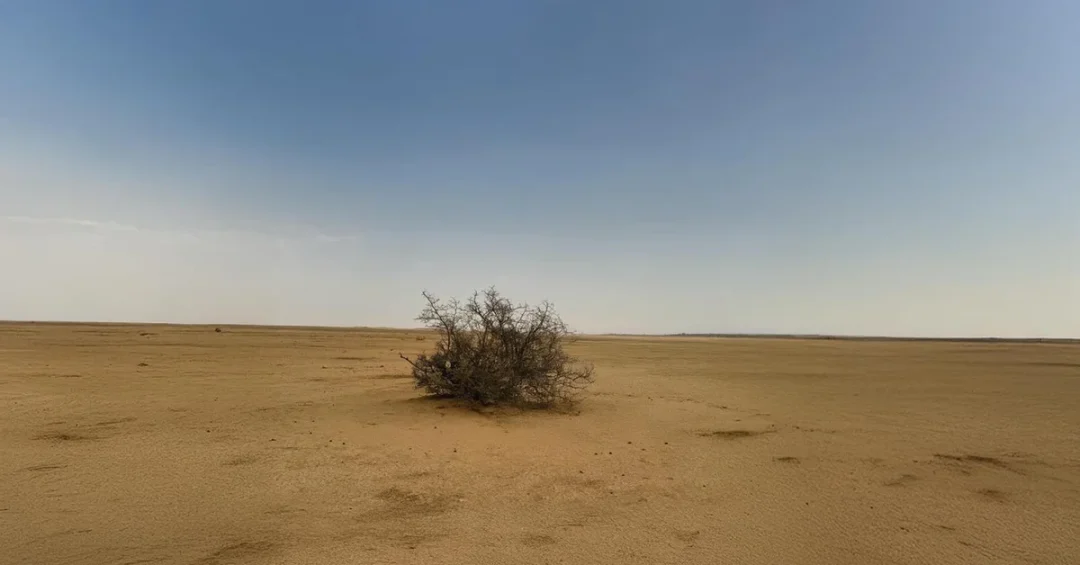
The National Center for Vegetation Cover Development and Combating Desertification (NCVC) launched a project on February 3, 2025, to assess and rehabilitate degraded vegetation cover sites in eastern and central Saudi Arabia, including Riyadh and the Eastern Province. The initiative, announced through the Saudi Press Agency, aims to develop comprehensive rehabilitation plans using internationally recognized methods and advanced technologies, aligning with the broader goals of the Saudi Green Initiative and Saudi Vision 2030.
Context and Background
Desertification and vegetation degradation pose significant environmental challenges globally, and Saudi Arabia has been proactive in addressing these issues through national strategies. The NCVC, established to lead efforts in combating desertification and restoring vegetation, plays a central role in the Kingdom’s environmental agenda. This project is part of a series of initiatives under the Saudi Green Initiative, which aims to plant billions of trees and rehabilitate vast areas of land, contributing to the global fight against climate change and biodiversity loss.
Key Details
The project focuses on identifying degraded areas, analyzing the causes of deterioration, and implementing monitoring and restoration plans. It employs remote sensing and geographic information systems (GIS) to assess the extent of degradation, alongside fieldwork involving soil, plant, and water sampling. Economic and social impact studies will also be conducted to understand the effects on local communities. Based on these findings, the NCVC will prioritize sites for rehabilitation and develop detailed restoration plans encompassing short-, medium-, and long-term strategies to ensure sustained effectiveness.
Implications and Impact
This project underscores Saudi Arabia’s commitment to environmental sustainability and its leadership in regional and global efforts to combat desertification. By rehabilitating degraded lands, the Kingdom aims to enhance biodiversity, improve air quality, and support sustainable agriculture. The use of cutting-edge technologies sets a benchmark for environmental monitoring and restoration in the region. Successful implementation could serve as a model for other countries facing similar challenges, strengthening Saudi Arabia’s role in international environmental cooperation.
Vision 2030 Alignment
The NCVC’s project directly supports Saudi Vision 2030’s environmental and quality-of-life goals. By restoring vegetation cover and promoting sustainable resource management, the initiative contributes to creating a greener, more livable Kingdom. It also aligns with the Vision’s objectives of diversifying the economy, enhancing tourism potential, and improving public health through a healthier environment. As Saudi Arabia continues its transformation, such projects demonstrate the integration of environmental stewardship with national development. The long-term success of these efforts will be crucial in achieving the ambitious targets set under the Saudi Green Initiative and securing a sustainable future for generations to come.
20 Questions
Q1. What is the main objective of the NCVC project?
A1. The main objective is to assess and rehabilitate degraded vegetation cover sites in eastern and central Saudi Arabia, specifically in Riyadh and the Eastern Province, using advanced technologies and sustainable methods.
Q2. When was the project launched?
A2. The project was launched on February 3, 2025, as announced by the National Center for Vegetation Cover Development and Combating Desertification (NCVC) through the Saudi Press Agency.
Q3. Which regions are targeted by the project?
A3. The project targets the eastern and central regions of Saudi Arabia, focusing on areas within Riyadh and the Eastern Province.
Q4. What technologies are used in the assessment?
A4. The assessment uses remote sensing and geographic information systems (GIS) to determine the extent of vegetation degradation, along with fieldwork for soil, plant, and water sampling.
Q5. How does the project contribute to the Saudi Green Initiative?
A5. The project aligns with the Saudi Green Initiative’s goals of planting billions of trees and rehabilitating degraded land, supporting national efforts to combat climate change and restore biodiversity.
Q6. What is the role of the NCVC?
A6. The NCVC is responsible for protecting and enhancing vegetation cover, managing rangelands, forests, and national parks, tackling illegal logging, and promoting sustainable natural resource use.
Q7. What types of studies will be conducted in the project?
A7. The project includes economic and social impact studies alongside soil, plant, and water sampling to understand the effects of degradation on local communities and ecosystems.
Q8. How are rehabilitation plans developed?
A8. Based on assessment findings, the NCVC prioritizes sites and develops detailed restoration plans with short-, medium-, and long-term strategies to ensure sustained effectiveness.
Q9. Why is this project important for Saudi Arabia?
A9. It addresses desertification and vegetation loss, which are critical environmental challenges, and supports Saudi Arabia’s Vision 2030 goals for environmental sustainability and improved quality of life.
Q10. How does the project use international standards?
A10. The project employs internationally recognized methods for assessing and rehabilitating degraded sites, ensuring best practices are followed.
Q11. What is the expected impact on biodiversity?
A11. By restoring vegetation cover, the project aims to enhance biodiversity, providing habitats for native species and supporting ecological balance in the targeted regions.
Q12. How does this project relate to Vision 2030?
A12. It directly supports Vision 2030’s environmental objectives, including sustainable resource management, economic diversification, and creating a greener, more livable Kingdom.
Q13. Will local communities be involved?
A13. Yes, through economic and social impact studies, the project assesses how degradation affects local communities and incorporates their needs into rehabilitation plans.
Q14. What are the long-term goals of the project?
A14. Long-term goals include achieving lasting restoration of degraded lands, ensuring the effectiveness of rehabilitation efforts over time, and contributing to national environmental targets.
Q15. How does the project combat desertification?
A15. By identifying degraded areas, analyzing causes, and implementing restoration plans, the project directly addresses desertification and works to reverse land degradation.
Q16. Who announced the project?
A16. The project was announced by the National Center for Vegetation Cover Development and Combating Desertification (NCVC) via a press release carried by the Saudi Press Agency.
Q17. What is the timeline for the project?
A17. The project includes short-, medium-, and long-term strategies, but specific timelines have not been disclosed; it is ongoing as of the launch date.
Q18. How does this project support global environmental efforts?
A18. Saudi Arabia’s commitment to restoring vegetation contributes to global goals like the UN Decade on Ecosystem Restoration and climate change mitigation.
A19. The NCVC uses satellite imagery and GIS mapping to detect changes in vegetation cover over time, enabling precise identification of degraded areas.
Q19. What are the benefits of using remote sensing?
A19. Remote sensing allows large-scale, efficient monitoring of vegetation health and degradation, providing data that guides targeted restoration efforts.
Q20. How will success be measured?
A20. Success will be measured through indicators such as increased vegetation cover, improved soil and water quality, biodiversity recovery, and positive socio-economic outcomes.
Reader Feedback
We value your thoughts. Please share your feedback on this article.
Your feedback helps us improve our coverage.