


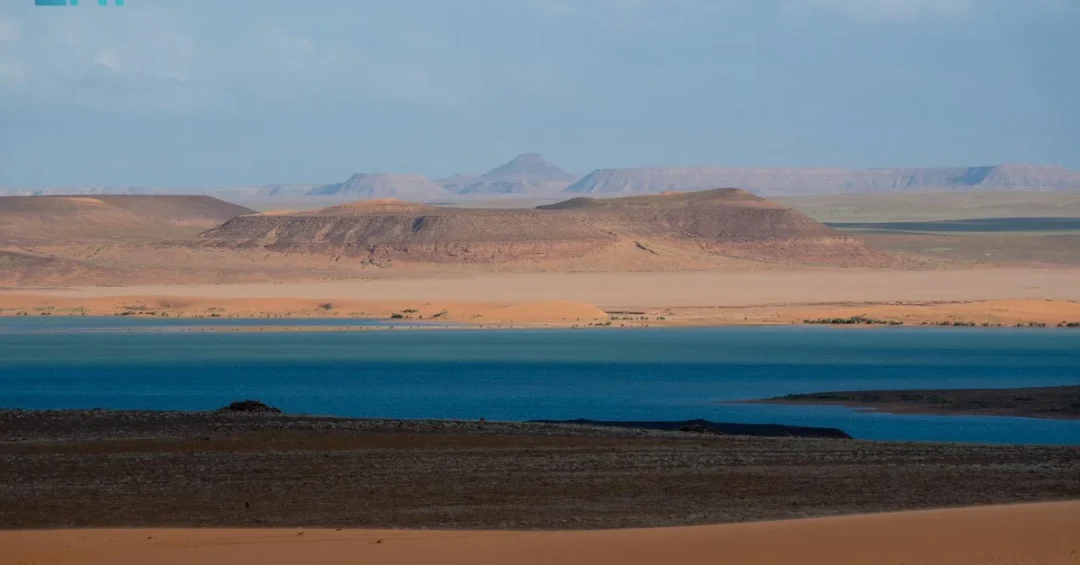
On February 2, 2025, the King Salman bin Abdulaziz Royal Natural Reserve (KSRNR) Development Authority observed World Wetlands Day by reaffirming its commitment to preserving wetland ecosystems and their rich biodiversity, as reported by the Saudi Press Agency (SPA). The annual international day raises awareness about wetlands—areas where water covers the soil, either year-round or seasonally—and their critical role in sustaining life. KSRNR highlighted its collaboration with the local community to protect these vital environments, which are recognized as part of humanity’s cultural heritage and a fundamental factor in controlling the environment and supporting plant and animal life.
Context and Background
Wetlands are among the most productive ecosystems on Earth, providing essential services such as water purification, flood control, and carbon storage. The King Salman bin Abdulaziz Royal Natural Reserve, established in 2018, is one of Saudi Arabia’s largest nature reserves, spanning over 130,000 square kilometers in the northern region. The reserve is a cornerstone of the Kingdom’s environmental conservation efforts under Vision 2030, which emphasizes sustainable development and the protection of natural habitats. World Wetlands Day, celebrated globally since 1997, serves as a platform to highlight the importance of these ecosystems and the urgent need to address threats such as pollution, climate change, and habitat loss.
Key Details
The KSRNR authority emphasized that wetlands function as carbon sinks, capturing and storing carbon dioxide from the atmosphere, thereby helping to mitigate global warming. They also play a crucial role in purifying water and supporting a wide variety of vital ecosystems and fungal species. The reserve’s management has implemented numerous initiatives to restore and protect wetland areas, including reforestation projects, water management programs, and biodiversity monitoring. These efforts align with Saudi Arabia’s Green Initiative, launched in 2021, which aims to plant 50 billion trees across the region and restore vast areas of degraded land.
Implications and Impact
The preservation of wetlands within KSRNR contributes to regional ecological stability and supports the livelihoods of local communities by ensuring water security and fostering eco-tourism opportunities. As Saudi Arabia hosts major international events such as Expo 2030 Riyadh, its commitment to environmental stewardship enhances its global reputation as a leader in sustainability. The reserve’s work also supports the Kingdom’s goals under the UN Convention on Biological Diversity and the Paris Agreement, demonstrating tangible progress in combating climate change and biodiversity loss.
Vision 2030 Alignment
This observance underscores Saudi Arabia’s alignment with Vision 2030, which prioritizes environmental sustainability, wildlife conservation, and the development of natural reserves as key pillars of economic diversification and quality of life. By investing in wetland conservation, the Kingdom is fostering a greener future, creating new opportunities for research, tourism, and community engagement. The King Salman bin Abdulaziz Royal Natural Reserve stands as a model for integrated conservation, showcasing how ecological preservation can drive sustainable development and enhance the well-being of both people and nature for generations to come.
20 Questions
Q1. What is World Wetlands Day?
A1. World Wetlands Day is an international day observed on February 2 each year to raise awareness about the importance of wetlands for biodiversity, climate regulation, and human well-being, and to promote their conservation.
Q2. When did the King Salman Royal Reserve observe World Wetlands Day in 2025?
A2. The King Salman bin Abdulaziz Royal Natural Reserve Development Authority observed World Wetlands Day on February 2, 2025, as reported by the Saudi Press Agency.
Q3. What is the King Salman bin Abdulaziz Royal Natural Reserve?
A3. It is one of Saudi Arabia’s largest nature reserves, established in 2018, spanning over 130,000 square kilometers in the northern region, dedicated to preserving biodiversity and natural habitats.
Q4. Why are wetlands important for the environment?
A4. Wetlands act as carbon sinks, purify water, support diverse ecosystems, provide flood control, and are a source of aesthetic and cultural heritage, contributing to sustainable development.
Q5. How do wetlands help mitigate global warming?
A5. Wetlands capture and store carbon dioxide from the atmosphere, reducing greenhouse gas concentrations, and thus help mitigate global warming and climate change impacts.
Q6. What is the role of the local community in wetland preservation according to KSRNR?
A6. The KSRNR authority collaborates with the local community to preserve biological diversity, emphasizing community involvement in conservation efforts and sustainable management of natural resources.
Q7. How does KSRNR contribute to Saudi Arabia’s Green Initiative?
A7. KSRNR supports the Green Initiative through reforestation, water management, and biodiversity monitoring, aligning with the goal to plant 50 billion trees and restore degraded land across the region.
Q8. What is Vision 2030’s stance on environmental conservation?
A8. Vision 2030 prioritizes environmental sustainability, wildlife conservation, and development of natural reserves as key pillars for economic diversification, quality of life, and global leadership in sustainability.
Q9. What international agreements does Saudi Arabia support through wetland conservation?
A9. Saudi Arabia aligns with the UN Convention on Biological Diversity and the Paris Agreement, using wetland conservation to meet biodiversity targets and climate commitments.
Q10. How do wetlands support human well-being?
A10. Wetlands provide clean water, flood protection, food resources, and recreational opportunities, enhancing physical and mental health while supporting livelihoods and cultural practices.
Q11. What are the main threats to wetlands globally?
A11. Threats include pollution, climate change, habitat loss from agriculture and urbanization, invasive species, and overexploitation of resources, which degrade wetland ecosystems.
Q12. How does KSRNR monitor biodiversity in wetlands?
A12. KSRNR implements biodiversity monitoring programs that track species populations, water quality, and habitat conditions, using scientific data to guide conservation actions.
Q13. What is the size of the King Salman Royal Reserve?
A13. The reserve spans over 130,000 square kilometers in northern Saudi Arabia, making it one of the largest nature reserves in the country, encompassing diverse ecosystems including wetlands.
Q14. How does wetland conservation promote eco-tourism?
A14. Well-preserved wetlands attract visitors for birdwatching, hiking, and nature appreciation, creating economic opportunities for local communities and raising awareness about conservation.
Q15. What is the significance of World Wetlands Day being observed by KSRNR?
A15. It highlights KSRNR’s commitment to environmental stewardship, raises public awareness about wetland value, and showcases Saudi Arabia’s dedication to global conservation efforts under Vision 2030.
Q16. How do wetlands contribute to water purification?
A16. Wetlands filter pollutants, sediments, and excess nutrients from water through natural processes involving plants, microbes, and soil, improving water quality for ecosystems and human use.
Q17. What types of species are supported by wetlands in KSRNR?
A17. Wetlands in KSRNR support a wide variety of plant and animal species, including migratory birds, fish, amphibians, and unique fungal species, contributing to overall biodiversity.
Q18. How does Saudi Arabia’s observance of World Wetlands Day align with global trends?
A18. Saudi Arabia joins over 170 countries in celebrating World Wetlands Day, demonstrating international cooperation and commitment to the Ramsar Convention goals for wetland conservation and sustainable use.
Q19. What future plans does KSRNR have for wetland restoration?
A19. KSRNR plans to expand wetland restoration projects, enhance water management, and increase community engagement, aiming to create resilient ecosystems that support biodiversity and local livelihoods.
Q20. How can individuals contribute to wetland conservation in Saudi Arabia?
A20. Individuals can support conservation by participating in volunteer clean-ups, reducing water waste, spreading awareness about wetland importance, and supporting eco-friendly tourism initiatives promoted by reserves like KSRNR.
Reader Feedback
We value your thoughts. Please share your feedback on this article.
Your feedback helps us improve our coverage.