


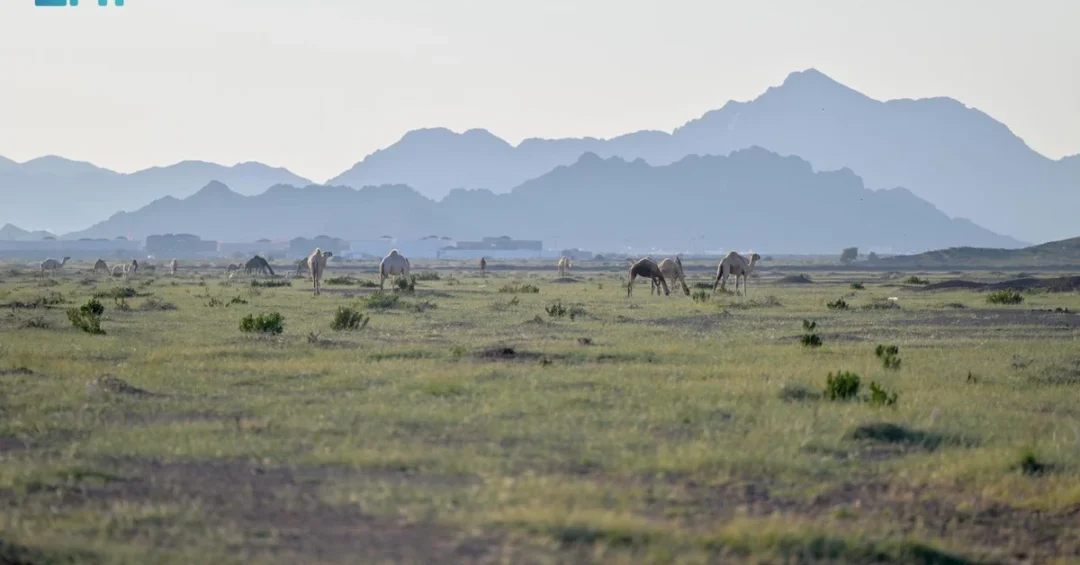
The Al-Hanakiyah Governorate in the Madinah Region has undergone a remarkable transformation into a lush green landscape following recent seasonal rains. The Saudi Press Agency (SPA) reported on February 6, 2025, that the rainfall, part of the locally significant season known as Alwasm, has revitalized the region’s mountains and plains, creating vibrant natural scenery that attracts visitors and supports local traditions.
Context and Background
The Alwasm rain season holds deep cultural and ecological importance in the Arabian Peninsula, historically marking a period of renewal for grazing lands and agriculture. For Al-Hanakiyah Governorate, this transformation is not only a visual spectacle but also a vital boost to the local ecosystem, supporting biodiversity and the traditional Bedouin lifestyle. The region, known for its rugged terrain and historical sites, now offers a striking contrast of green against the desert backdrop, highlighting the Kingdom’s diverse natural beauty.
Key Details
SPA photographers captured the governorate’s rejuvenated landscapes, including blooming valleys and hillsides. The imagery also features camel herds grazing on the fresh vegetation, showcasing the harmonious interaction between nature and traditional practices. These scenes provide ideal settings for outdoor activities such as hiking, picnicking, and photography, aligning with Saudi Arabia’s efforts to promote eco-tourism and domestic travel under Vision 2030.
Implications and Impact
The greening of Al-Hanakiyah underscores the environmental benefits of seasonal rains in arid regions, contributing to groundwater recharge and soil fertility. This natural phenomenon enhances the region’s appeal to tourists seeking authentic experiences, supporting local communities through increased visitor spending. It also reflects Saudi Arabia’s commitment to preserving natural habitats and promoting sustainable tourism as part of its broader economic diversification strategy.
Vision 2030 Alignment
The seasonal rejuvenation of Al-Hanakiyah Governorate aligns with Saudi Vision 2030’s goals of enhancing quality of life, developing the tourism sector, and preserving the environment. By highlighting such natural wonders, the Kingdom encourages both citizens and international visitors to explore its diverse landscapes, fostering cultural appreciation and economic growth. This transformation serves as a testament to Saudi Arabia’s dedication to showcasing its heritage and natural assets as pillars of a vibrant, forward-looking society.
20 Questions
Q1. What caused the greening of Al-Hanakiyah Governorate?
A1. Recent seasonal rainfall, locally known as Alwasm, transformed the mountains and plains into lush green landscapes, as reported by the Saudi Press Agency on February 6, 2025.
Q2. What is the Alwasm season?
A2. Alwasm is a traditional rain season in the Arabian Peninsula that holds cultural significance, known for revitalizing the land and supporting agriculture and grazing.
Q3. Where is Al-Hanakiyah Governorate located?
A3. Al-Hanakiyah is a governorate in the Madinah Region of Saudi Arabia, known for its historical sites and natural landscapes.
Q4. How did the Saudi Press Agency document the event?
A4. SPA photographers captured images of the greened landscapes, including blooming valleys and camel herds grazing, showcasing the region’s serene beauty.
Q5. Why is the rainfall significant for the local ecosystem?
A5. The rain supports groundwater recharge, soil fertility, and biodiversity, providing fresh grazing for livestock and sustaining traditional Bedouin livelihoods.
Q6. What outdoor activities does the greenery enable?
A6. Visitors can enjoy hiking, picnicking, photography, and camel watching amid the rejuvenated natural scenery.
Q7. How does this event support tourism in Saudi Arabia?
A7. It promotes eco-tourism and domestic travel, attracting visitors to experience authentic natural beauty, aligning with Vision 2030 tourism goals.
Q8. What is Vision 2030’s relevance to this transformation?
A8. Vision 2030 emphasizes quality of life, environmental preservation, and tourism development; the greening showcases Saudi Arabia’s natural assets.
Q9. How does the greening affect local communities?
A9. Increased visitor spending boosts local businesses and supports traditional practices like camel herding, enhancing economic opportunities.
Q10. Are there similar greening events in other Saudi regions?
A10. Yes, seasonal rains often green other parts of Saudi Arabia, particularly in mountainous and northern areas, each with unique ecological impacts.
Q11. What is the cultural significance of camel herds in this context?
A11. Camels are integral to Saudi heritage; their grazing in green landscapes reflects traditional pastoral life and cultural identity.
Q12. How does the rain season Alwasm differ from other seasons?
A12. Alwasm typically occurs in late autumn to early winter and is valued for its moderate rains that trigger rapid vegetation growth.
Q13. What role does the Saudi Press Agency play in reporting such events?
A13. SPA is the official state news agency, providing accurate and timely information about natural and cultural phenomena across the Kingdom.
Q14. Is the greening of Al-Hanakiyah a rare event?
A14. While seasonal greening occurs annually, the extent and vibrancy vary with rainfall; the 2025 event was particularly notable.
Q15. How does this event contribute to environmental awareness?
A15. It highlights the importance of rainfall and ecosystem health, encouraging appreciation and conservation of Saudi Arabia’s natural resources.
Q16. Can visitors access the greened areas easily?
A16. Yes, Al-Hanakiyah is accessible via roads from Madinah, and local authorities support tourism infrastructure for safe visits.
Q17. What other attractions does Al-Hanakiyah offer?
A17. The governorate features historical sites, ancient wells, and rock art, complementing its natural landscapes.
Q18. How does the Saudi government support eco-tourism?
A18. Through initiatives like the Saudi Tourism Authority and investment in sustainable tourism projects, the government promotes nature-based travel.
Q19. What is the impact of Alwasm on agriculture?
A19. The rains benefit rain-fed agriculture and grazing, supporting farmers and herders in arid regions.
Q20. Why is this story relevant to international audiences?
A20. It showcases Saudi Arabia’s diverse environment and commitment to sustainable development, countering stereotypes and highlighting Vision 2030’s progress.
Reader Feedback
We value your thoughts. Please share your feedback on this article.
Your feedback helps us improve our coverage.