


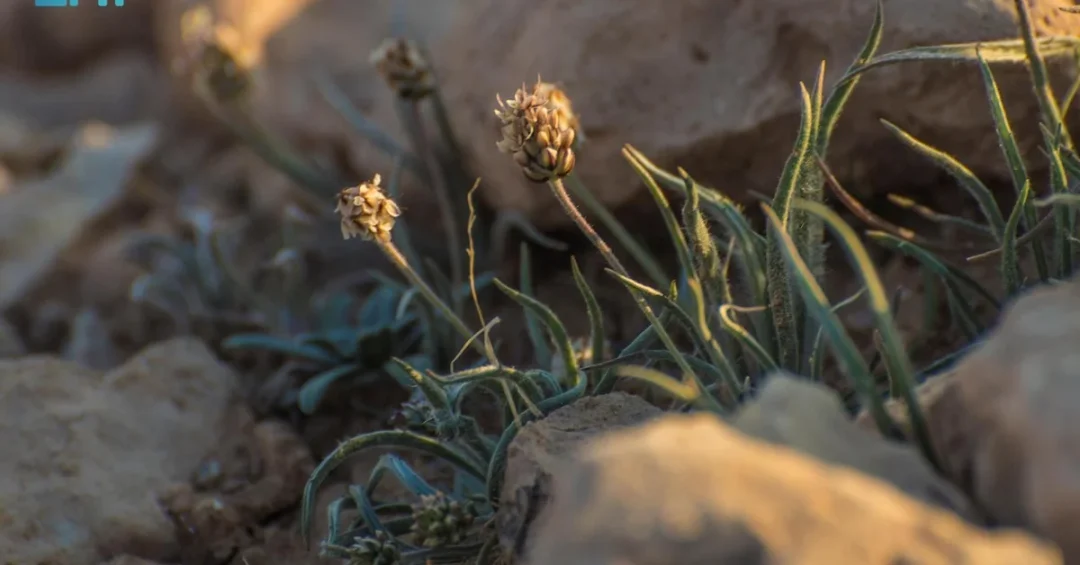
Plantago ciliata, a small annual herb vital to the ecological and economic health of Saudi Arabia’s Northern Borders region, is gaining recognition for its role in supporting grazing, biodiversity, and sustainable development, according to the Saudi Press Agency (SPA) on February 6, 2025. The plant, which thrives in valleys and wadis after autumn rains, is a crucial natural food source for livestock and contributes to the region’s rich plant diversity.
Context and Background
The Northern Borders region is known for its diverse seasonal and annual plants, which form the backbone of local pastoral livelihoods. Plantago ciliata, with its oval to oblong-lanceolate leaves reaching up to 4 cm in length and 1.5 cm in width, grows to about 5 cm in height. Its rapid growth after autumn rainfall provides essential nutrition for grazing animals, underpinning the local economy and traditional Bedouin lifestyle.
Key Details
President of the Aman Environmental Association, Nasser Al-Majlad, emphasized in a statement that Plantago ciliata is highly nutritious and quickly available after rains. He noted that the species improves natural pastures, supports the local economy, and maintains the region’s ecological balance. The plant is part of a broader ecosystem of seasonal food plants that combat desertification, increase vegetation cover, stabilize soil, and enhance biodiversity.
Implications and Impact
The preservation and promotion of native plants like Plantago ciliata are critical for environmental sustainability in arid regions. By preventing soil erosion and supporting grazing, these plants contribute to the fight against desertification—a key challenge in Saudi Arabia. They also attract ecotourists interested in the unique flora of the Northern Borders, boosting local tourism and economic diversification.
Vision 2030 Alignment
The recognition of Plantago ciliata’s role aligns with Saudi Arabia’s Vision 2030 goals of environmental sustainability, economic diversification, and rural development. By protecting natural vegetation and promoting sustainable grazing, the Kingdom supports biodiversity and combats climate change, advancing its commitment to a greener future under the Saudi Green Initiative.
20 Questions
Q1. What is Plantago ciliata?
A1. Plantago ciliata is an annual herb that serves as a vital grazing plant in Saudi Arabia, particularly in the Northern Borders region, supporting livestock and ecological balance.
Q2. Where is Plantago ciliata found?
A2. It is primarily found in the Northern Borders region of Saudi Arabia, thriving in valleys and wadis after autumn rainfall.
Q3. Why is Plantago ciliata important for grazing?
A3. It provides a highly nutritious and rapidly growing food source for grazing animals after autumn rains, essential for local pastoralism.
Q4. What are the physical characteristics of Plantago ciliata?
A4. It has oval to oblong-lanceolate leaves up to 4 cm long and 1.5 cm wide, and reaches a height of about 5 cm.
Q5. Who highlighted the importance of Plantago ciliata?
A5. Nasser Al-Majlad, President of the Aman Environmental Association, emphasized its role in improving pastures and supporting the economy.
Q6. How does Plantago ciliata combat desertification?
A6. It increases vegetation cover, stabilizes soil, and reduces erosion, helping to combat desertification in arid regions.
Q7. Does Plantago ciliata support biodiversity?
A7. Yes, it enhances biodiversity by providing habitat and food for various organisms, contributing to a healthy ecosystem.
Q8. What role does Plantago ciliata play in sustainable development?
A8. It supports sustainable development by improving pastures, preventing desertification, and attracting ecotourism, aligning with Saudi Arabia’s environmental goals.
Q9. How does Plantago ciliata attract ecotourists?
A9. Its presence in the diverse flora of the Northern Borders region draws visitors interested in nature and unique plant life, boosting tourism.
Q10. What is the Aman Environmental Association?
A10. It is a Saudi environmental organization focused on conservation and sustainable development, led by President Nasser Al-Majlad.
Q11. When does Plantago ciliata grow?
A11. It grows rapidly after autumn rainfall, making it a crucial seasonal food source for grazing animals.
Q12. How does Plantago ciliata improve natural pastures?
A12. By providing nutritious forage, it enhances the quality and productivity of pastures for livestock grazing.
Q13. What is the economic impact of Plantago ciliata?
A13. It supports the local economy by sustaining livestock, which is a key income source for many families in the Northern Borders region.
Q14. Is Plantago ciliata native to Saudi Arabia?
A14. Yes, it is a native annual herb adapted to the arid conditions of Saudi Arabia, particularly in the Northern Borders.
Q15. How does Plantago ciliata contribute to soil stabilization?
A15. Its root system helps bind soil particles, reducing erosion and stabilizing the ground, especially in wadis and valleys.
Q16. What is the ecological significance of Plantago ciliata?
A16. It maintains ecological balance by providing food for grazers, supporting pollinators, and contributing to plant community diversity.
Q17. Does Plantago ciliata require irrigation?
A17. No, it relies on natural autumn rainfall and is adapted to low-water conditions, making it a sustainable forage choice.
Q18. How does Plantago ciliata relate to Vision 2030?
A18. It supports Vision 2030’s environmental sustainability pillar by combating desertification, enhancing biodiversity, and promoting ecotourism.
Q19. What other plants are common in the Northern Borders region?
A19. The region hosts diverse seasonal and annual food plants that complement Plantago ciliata in supporting grazing and ecology.
Q20. Where can I find more information about Plantago ciliata?
A20. Official information is available through Saudi Press Agency (SPA) releases and the Aman Environmental Association’s statements.
Reader Feedback
We value your thoughts. Please share your feedback on this article.
Your feedback helps us improve our coverage.