


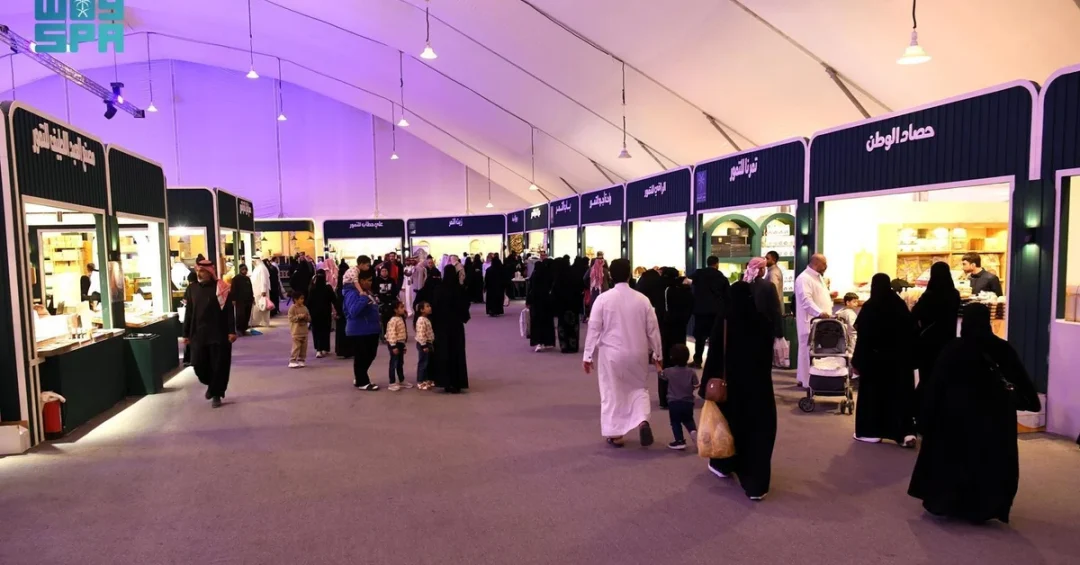
The 10th edition of the Al-Ahsa Factory Dates Festival attracted large crowds of visitors, as announced by the Saudi Press Agency. Organized by Al-Ahsa Municipality in partnership with Al-Ahsa Principality and Al-Ahsa Development Authority, the festival showcases the region’s renowned date production and processed date products, reinforcing Al-Ahsa’s position as a leading agricultural hub in the Kingdom.
Context and Background
Al-Ahsa, located in Saudi Arabia’s Eastern Province, is home to the largest oasis in the world and is a UNESCO World Heritage site. The region boasts over 2.5 million date palms, producing a significant portion of the Kingdom’s high-quality dates. The Al-Ahsa Factory Dates Festival, now in its tenth year, is a key event under the Saudi Vision 2030 initiative to diversify the economy and promote non-oil sectors such as agriculture and tourism.
Key Details
The festival features more than 70 stores selling dates and date-based products, offering a wide variety of local varieties such as Khlas and Reziz. Visitors can explore an interactive kitchen, food stalls, a heritage zone with traditional games, and a museum showcasing the date industry’s history. Cultural performances, folk art displays, an innovation area with paintings and art installations, and a children’s zone with games and an art studio provide engaging experiences for all ages.
Implications and Impact
The event supports local farmers, date factories, and stores by providing a direct marketing platform, boosting investment opportunities and economic contributions to Al-Ahsa. By attracting both domestic and international visitors, the festival enhances tourism and promotes Saudi Arabia’s rich agricultural heritage. It also strengthens the cultural significance of dates, linking them to the Kingdom’s historical and social fabric, while leveraging Al-Ahsa’s strategic resources to drive sustainable economic growth.
Vision 2030 Alignment
The Al-Ahsa Factory Dates Festival exemplifies Saudi Vision 2030’s commitment to diversifying the economy, empowering local industries, and promoting cultural tourism. Through such initiatives, the Kingdom advances its long-term goals of boosting non-oil GDP, creating job opportunities, and preserving its cultural heritage, solidifying its global role as a leader in sustainable agricultural development.
20 Questions
Q1. What is the Al-Ahsa Factory Dates Festival?
A1. It is an annual event organized by Al-Ahsa Municipality in partnership with local authorities to showcase Al-Ahsa dates, support farmers, and promote date-based products and investment opportunities.
Q2. When was the 10th edition held?
A2. The 10th edition took place in February 2025, drawing significant crowds of visitors from Saudi Arabia and abroad.
Q3. Where is Al-Ahsa located?
A3. Al-Ahsa is in the Eastern Province of Saudi Arabia, home to the world’s largest oasis, a UNESCO World Heritage site.
Q4. Why is Al-Ahsa important for date production?
A4. Al-Ahsa has over 2.5 million date palms, producing high-quality varieties like Khlas and Reziz, making it a key agricultural region in the Kingdom.
Q5. Who organized the festival?
A5. The festival was organized by Al-Ahsa Municipality in partnership with Al-Ahsa Principality and Al-Ahsa Development Authority.
Q6. What are the main goals of the festival?
A6. The festival aims to boost investment, support date farmers and factories, promote cultural heritage, and provide a unique tourist experience.
Q7. How many stores participated?
A7. More than 70 stores participated, selling dates and date-derived products.
Q8. What activities were available at the festival?
A8. Activities included an interactive kitchen, food stalls, a heritage zone, a museum, folklore performances, an innovation area, and a children’s zone.
Q9. What is the heritage zone?
A9. The heritage zone features traditional games and a museum, offering insights into the historical and cultural significance of dates.
Q10. How does the festival support farmers?
A10. It provides a direct marketing platform for farmers, date factories, and stores, helping them reach more customers and generate revenue.
Q11. What is the role of Al-Ahsa Development Authority?
A11. The authority partners with the municipality to promote economic development and showcase Al-Ahsa’s strategic potential in agriculture and tourism.
Q12. How does the festival align with Vision 2030?
A12. It supports Vision 2030 goals of economic diversification, boosting non-oil sectors like agriculture and tourism, and preserving cultural heritage.
Q13. What types of dates are featured?
A13. Local varieties such as Khlas and Reziz are featured, known for their quality and unique flavors.
Q14. Is the festival open to international visitors?
A14. Yes, the festival attracts both domestic and international visitors, promoting cultural exchange and tourism.
Q15. What is the interactive kitchen?
A15. The interactive kitchen allows visitors to learn about date processing and cooking using date-based ingredients.
Q16. What entertainment is offered for children?
A16. The children’s zone includes games, an art studio, and activities where kids learn about date production processes.
Q17. How does the festival contribute to the economy?
A17. It creates business opportunities for local date producers, attracts tourists, and stimulates spending in the Al-Ahsa region.
Q18. What cultural performances are held?
A18. Folklore performances and folk art displays showcase traditional Saudi culture and heritage.
Q19. What is the innovation area?
A19. The innovation area features paintings and art installations, blending creativity with agricultural themes.
Q20. How does the festival preserve date heritage?
A20. Through its museum, heritage zone, and educational activities, the festival highlights the cultural and historical ties of dates to Saudi agriculture.
Reader Feedback
We value your thoughts. Please share your feedback on this article.
Your feedback helps us improve our coverage.