


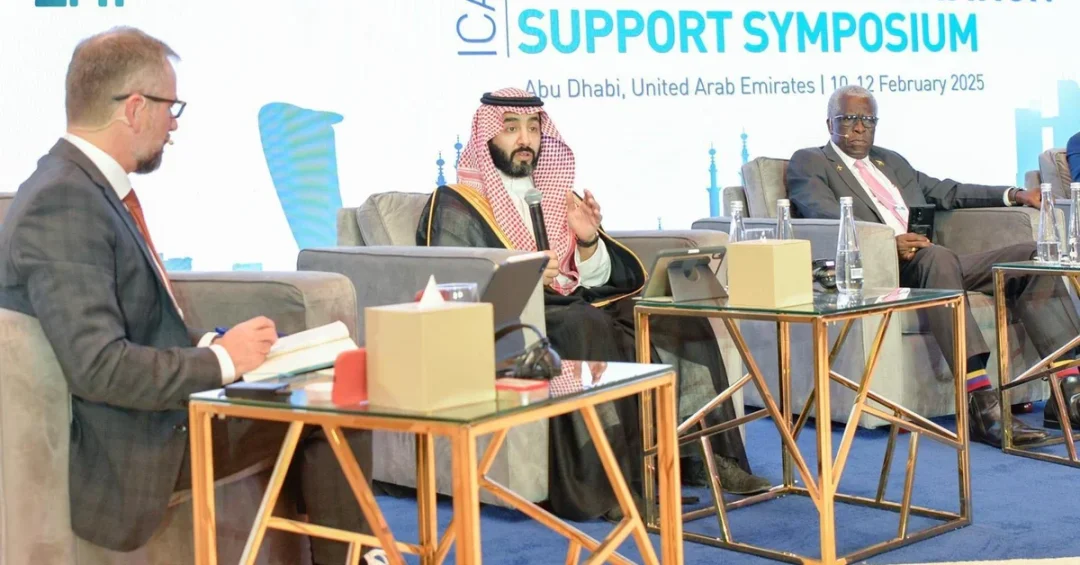
The General Authority of Civil Aviation (GACA) of Saudi Arabia showcased its adoption of advanced technological solutions to enhance passenger experience during a panel discussion at the Global Sustainable Aviation Marketplace (GSAM) in Abu Dhabi, UAE, on February 11, 2025. The event coincides with the fourth annual Global Implementation Support Symposium (GISS25), gathering international aviation experts from February 10 to 12.
Context and Background
GACA’s participation underscores Saudi Arabia’s commitment to modernizing its aviation sector in line with the National Aviation Strategy and Saudi Vision 2030. The authority has implemented data-driven programs and initiatives to set ambitious standards based on global best practices, aiming to elevate the passenger journey and operational efficiency.
Key Details
During the session, GACA Executive Vice President for Quality and Customer Eng. Abdulaziz Al-Dahmash highlighted that Saudi Arabia is leveraging advanced technological solutions to accommodate a projected threefold increase in passenger numbers, reaching 330 million annually by 2030. Key initiatives include expanding infrastructure with new airports like King Salman International Airport and upgrading existing facilities to handle growing traffic while improving operational efficiency and passenger experience.
Implications and Impact
The adoption of these technologies positions Saudi Arabia as a leader in sustainable and smart aviation solutions in the region. By integrating data analysis and advanced systems, GACA aims to streamline airport operations, reduce wait times, and offer personalized services. This aligns with global trends toward digitalization in air transport and supports the Kingdom’s goal of becoming a major global aviation hub.
Vision 2030 Alignment
This initiative directly supports Saudi Vision 2030’s objectives of diversifying the economy and enhancing the quality of life. The expansion and modernization of the aviation sector are pivotal to increasing tourism, boosting trade, and creating jobs. GACA’s focus on technological innovation ensures that the Kingdom remains competitive and capable of handling future growth while delivering world-class services to passengers.
20 Questions
Q1. What is GSAM?
A1. The Global Sustainable Aviation Marketplace (GSAM) is an initiative held alongside the Global Implementation Support Symposium, focusing on sustainable aviation practices and technological advancements.
Q2. Who represented GACA at the panel?
A2. Eng. Abdulaziz Al-Dahmash, GACA Executive Vice President for Quality and Customer, represented the authority and spoke about technology adoption.
Q3. What technological solutions is GACA implementing?
A3. GACA is using data analysis and advanced digital tools to enhance passenger experience, operational efficiency, and infrastructure management.
Q4. How does this support the National Aviation Strategy?
A4. The strategy aims to increase passenger capacity to 330 million by 2030 through technology-driven expansion and improved services.
Q5. What is the passenger growth target by 2030?
A5. Saudi Arabia targets 330 million passengers annually by 2030, a threefold increase from current levels.
Q6. What new airport projects are underway?
A6. One major project is King Salman International Airport, part of the plan to expand and upgrade aviation infrastructure.
Q7. How does Vision 2030 relate to aviation?
A7. Vision 2030 highlights aviation as a key driver for economic diversification, tourism, and global connectivity.
Q8. Where was the symposium held?
A8. The Global Implementation Support Symposium took place in Abu Dhabi, UAE, from February 10 to 12, 2025.
Q9. What are the benefits of data analysis for passengers?
A9. Data analysis enables personalized services, shorter wait times, and efficient airport processing, improving overall travel experience.
Q10. Is Saudi Arabia adopting global best practices?
A10. Yes, GACA sets standards based on global best practices to ensure competitiveness and excellence in aviation.
Q11. How does this initiative promote sustainability?
A11. By optimizing operations through technology, the sector reduces energy consumption and waste, contributing to sustainable aviation.
Q12. What role does GACA play in implementation?
A12. GACA oversees the adoption of advanced solutions and ensures alignment with national strategies and international standards.
Q13. How will existing airports be upgraded?
A13. Upgrades include modernizing facilities, expanding terminals, and integrating smart systems to handle higher passenger volumes.
Q14. What is the significance of the panel discussion?
A14. It allowed Saudi Arabia to share its progress and learn from global experts, reinforcing its commitment to aviation excellence.
Q15. Which international experts attended GISS25?
A15. The symposium gathered aviation professionals, regulators, and technology providers from around the world.
Q16. How does this align with the Global Implementation Support Symposium?
A16. GISS25 focuses on implementing international standards, and GACA’s presentation fits the theme of practical technology deployment.
Q17. What is the expected impact on tourism?
A17. Enhanced airports and passenger experience aim to attract more tourists, supporting Saudi Arabia’s goal to increase tourism revenue.
Q18. Are there any partnerships involved?
A18. While not specified in the source, such initiatives often involve collaboration with technology firms and international organizations.
Q19. Will passenger numbers actually triple?
A19. The target is ambitious but supported by infrastructure projects and technology adoption outlined in the National Aviation Strategy.
Q20. What is the next step for GACA?
A20. GACA will continue implementing its programs, monitoring progress, and participating in global forums to refine its approach.
Reader Feedback
We value your thoughts. Please share your feedback on this article.
Your feedback helps us improve our coverage.