


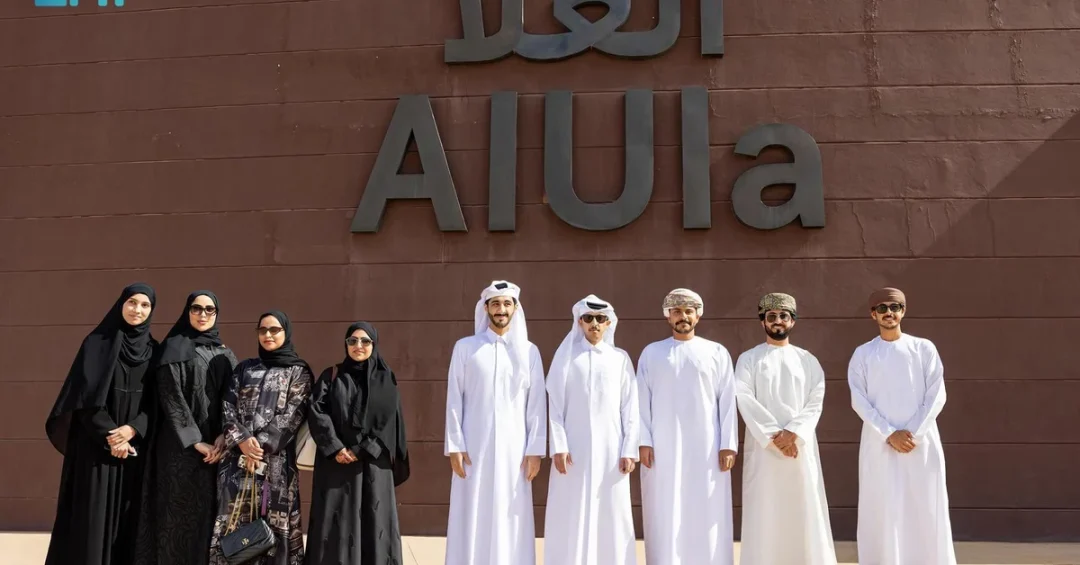
Saudi Arabia hosted the Joint GCC Youth Work Camp from February 9 to 15, 2025, in AlUla Governorate, organized by the Ministry of Sport. The camp brought together delegations from the Gulf Cooperation Council (GCC) countries, the Hashemite Kingdom of Jordan, and the Kingdom of Morocco, featuring a variety of programs and activities aimed at enhancing youth cooperation, exchanging expertise, and developing participants’ skills.
Context and Background
The camp is part of Saudi Arabia’s ongoing efforts to strengthen regional youth engagement and foster collaborative development. AlUla, a historic and cultural hub in northwestern Saudi Arabia, was chosen as the venue to showcase the Kingdom’s rich heritage and modern transformation under Vision 2030. The initiative aligns with the GCC’s broader goals of promoting youth empowerment and cross-border dialogue.
Key Details
Participating delegations included representatives from all six GCC states—Saudi Arabia, the United Arab Emirates, Kuwait, Qatar, Bahrain, and Oman—alongside Jordan and Morocco. The week-long program featured workshops on leadership, team-building exercises, cultural exchanges, and skill-development sessions. Participants praised the specialized programs for strengthening the spirit of joint work and expanding cooperation horizons. The Ministry of Sport supervised the camp, emphasizing sport and group activities as tools for unity.
Implications and Impact
This camp underscores Saudi Arabia’s leadership in promoting youth-centric initiatives within the region. By hosting such events, the Kingdom fosters diplomatic ties and soft power, encouraging mutual understanding among young leaders. The inclusion of non-GCC Arab nations like Jordan and Morocco signals an expanding circle of cooperation, potentially leading to more integrated regional youth policies. Such engagements also support stability and shared development goals in the Middle East and North Africa.
Vision 2030 Alignment
The Joint GCC Youth Work Camp directly supports Vision 2030’s objectives of building a vibrant society and developing human capital. By empowering youth through skill-building and international collaboration, Saudi Arabia invests in future leaders who can drive economic diversification and social progress. This initiative exemplifies the Kingdom’s commitment to regional partnership and its role as a hub for cultural and diplomatic exchange.
20 Questions
Q1. What is the Joint GCC Youth Work Camp?
A1. The Joint GCC Youth Work Camp is a program hosted in AlUla, Saudi Arabia, from February 9 to 15, 2025, organized by the Ministry of Sport to enhance youth cooperation among GCC countries, Jordan, and Morocco.
Q2. Who organized the camp?
A2. The camp was organized by the Ministry of Sport of Saudi Arabia, reflecting the Kingdom’s commitment to youth development and regional collaboration under Vision 2030.
Q3. Which countries participated in the camp?
A3. Delegations from all six GCC countries—Saudi Arabia, UAE, Kuwait, Qatar, Bahrain, and Oman—along with Jordan and Morocco took part in the camp.
Q4. When was the camp held?
A4. The camp took place from February 9 to 15, 2025, in AlUla Governorate, Saudi Arabia.
Q5. Where was the camp located?
A5. The camp was held in AlUla Governorate, a historic region in northwestern Saudi Arabia known for its cultural heritage and alignment with Vision 2030 tourism goals.
Q6. What types of activities were featured?
A6. The camp featured workshops, leadership training, team-building exercises, cultural exchanges, and skill-development programs designed to enhance youth cooperation and expertise.
Q7. How did participants react to the camp?
A7. Participants praised the specialized programs for strengthening joint work spirit and expanding cooperation horizons among youth from Gulf and participating nations.
Q8. What is the significance of hosting the camp in AlUla?
A8. AlUla is a key Vision 2030 site showcasing Saudi heritage and modernization, providing a unique setting that highlights the Kingdom’s cultural and economic transformation.
Q9. Which Saudi ministry oversaw the camp?
A9. The Ministry of Sport oversaw the camp, using sport and group activities as tools for fostering unity and skill development among youth.
Q10. How does the camp support GCC cooperation?
A10. The camp enhances GCC cooperation by promoting youth dialogue, shared values, and collaborative development, strengthening regional bonds among member states.
Q11. Why were Jordan and Morocco invited?
A11. Inviting Jordan and Morocco reflects Saudi Arabia’s commitment to broader Arab cooperation and expanding youth engagement beyond the Gulf region.
Q12. What skills did participants develop?
A12. Participants developed leadership, teamwork, cultural awareness, and professional skills through workshops and interactive sessions tailored to youth empowerment.
Q13. How does this camp align with Vision 2030?
A13. The camp supports Vision 2030 by investing in human capital, empowering youth, and promoting international partnerships that drive economic and social progress.
Q14. What is the role of youth in Vision 2030?
A14. Youth are central to Vision 2030 as future leaders who will contribute to economic diversification, innovation, and building a vibrant Saudi society.
Q15. How does the camp promote cultural exchange?
A15. The camp included cultural activities and exchanges that allowed participants to share traditions, fostering mutual understanding and respect among diverse youth groups.
Q16. Was this the first such camp?
A16. The article does not specify if it was the first; however, it is part of ongoing Saudi efforts to host regional youth initiatives regularly.
Q17. What is the expected outcome of the camp?
A17. Expected outcomes include stronger youth networks, enhanced skills, and deeper cooperation between Gulf and Arab youth, contributing to regional stability.
Q18. How does the camp benefit Saudi Arabia’s image?
A18. The camp showcases Saudi Arabia as a regional leader in youth development and a welcoming hub for international collaboration, bolstering its soft power.
Q19. Are there plans for future camps?
A19. While not specified, the success of this camp suggests potential for future editions, aligning with GCC and Saudi commitments to sustained youth engagement.
Q20. How can youth participate in future programs?
A20. Interested youth can follow announcements from the Ministry of Sport and GCC bodies for future camps and initiatives promoting regional youth cooperation.
Reader Feedback
We value your thoughts. Please share your feedback on this article.
Your feedback helps us improve our coverage.