


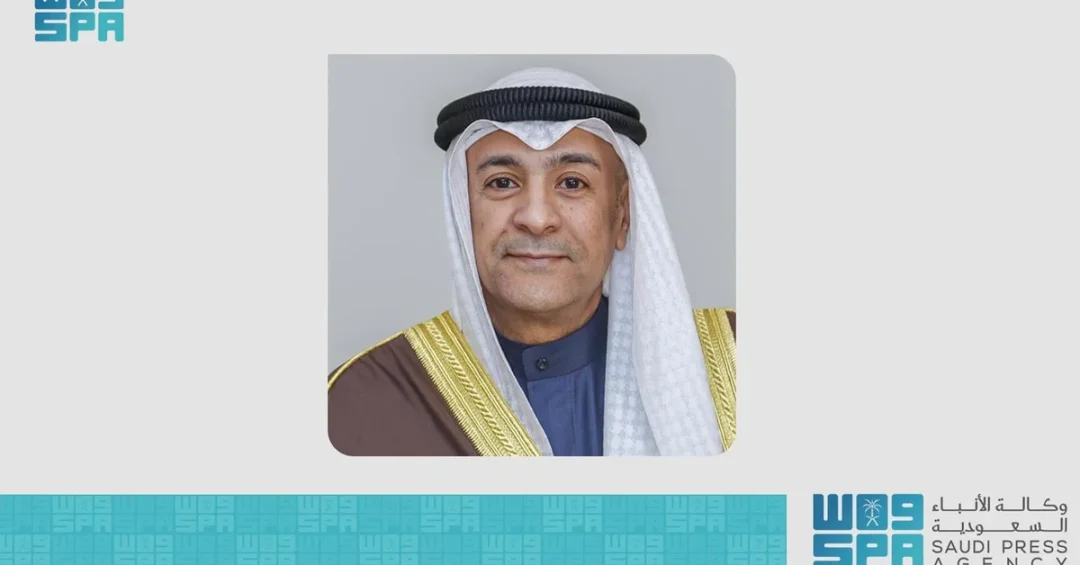
Secretary General of the Gulf Cooperation Council (GCC) Jasem Albudaiwi emphasized the critical role of youth in building a sustainable future during the 38th meeting of the Ministers of Youth and Sports in Kuwait. The meeting, chaired by Kuwait’s Minister of Information and Culture and Minister of State for Youth Affairs Abdulrahman Badah Al Mutairi, highlighted the GCC’s commitment to empowering young people through joint initiatives and strategic investments.
Context and Background
The Gulf Cooperation Council has long recognized the importance of youth as a cornerstone of regional development. With approximately 22.1 million young men and women aged 15 to 34, representing 38.4% of the GCC’s total population, youth are seen as a vital demographic for driving economic and social progress. The GCC’s focus on youth aligns with broader efforts to foster innovation, entrepreneurship, and sustainable development across member states.
Key Details
During the meeting, Albudaiwi underscored the GCC’s progress in global innovation and youth development indices, attributing this success to the collaborative efforts of member countries. He highlighted the launch of programs and initiatives by the Committee of the Ministers of Youth and Sports, aimed at enhancing youth participation in various sectors. Albudaiwi also emphasized the importance of integrating youth needs into national strategies to maximize their potential.
Implications and Impact
The GCC’s focus on youth empowerment has significant regional and international implications. By investing in young people, the GCC aims to build a skilled workforce capable of addressing future challenges and driving economic growth. This approach also strengthens the Council’s position as a leader in sustainable development and innovation, aligning with global trends and priorities.
Vision 2030 Alignment
The GCC’s commitment to youth empowerment resonates strongly with Saudi Arabia’s Vision 2030, which prioritizes human capital development and economic diversification. By supporting initiatives that enhance youth participation and innovation, the GCC contributes to the realization of Vision 2030’s goals, fostering a prosperous and sustainable future for the region.
20 Questions
Q1. Who is Jasem Albudaiwi?
A1. Jasem Albudaiwi is the Secretary General of the Gulf Cooperation Council (GCC), responsible for overseeing collaborative initiatives among member states.
Q2. What was the focus of the 38th GCC Ministers of Youth and Sports meeting?
A2. The meeting focused on empowering youth through joint initiatives and strategic investments to support their role in regional development.
Q3. Who chaired the 38th GCC Ministers of Youth and Sports meeting?
A3. The meeting was chaired by Kuwait’s Minister of Information and Culture and Minister of State for Youth Affairs Abdulrahman Badah Al Mutairi.
Q4. What percentage of the GCC population is aged 15 to 34?
A4. Approximately 38.4% of the GCC population, or 22.1 million people, are aged 15 to 34.
Q5. What role do youth play in the GCC’s development?
A5. Youth are seen as a vital demographic for driving economic and social progress through innovation, entrepreneurship, and sustainable development.
Q6. What initiatives were highlighted during the meeting?
A6. The meeting highlighted programs and initiatives launched by the Committee of the Ministers of Youth and Sports to enhance youth participation.
Q7. How does the GCC support youth empowerment?
A7. The GCC supports youth empowerment through strategic investments, collaborative initiatives, and integrating youth needs into national strategies.
Q8. What is the significance of youth in Vision 2030?
A8. Youth are central to Saudi Arabia’s Vision 2030, which prioritizes human capital development and economic diversification.
Q9. What are the GCC’s achievements in youth development?
A9. The GCC has made notable progress in global innovation and youth development indices, reflecting successful policies and strategies.
Q10. How does the GCC address global changes?
A10. The GCC addresses global changes by investing in human capital and fostering innovation and entrepreneurship among youth.
Q11. What is the demographic weight of youth in the GCC?
A11. Youth aged 15 to 34 represent 38.4% of the GCC’s total population, highlighting their significant demographic weight.
Q12. What is the role of the Committee of the Ministers of Youth and Sports?
A12. The Committee oversees the launch of programs and initiatives to enhance youth participation and empowerment in the GCC.
Q13. How does the GCC integrate youth needs into national strategies?
A13. The GCC integrates youth needs into national strategies by focusing on education, innovation, and economic participation.
Q14. What is the GCC’s approach to innovation?
A14. The GCC promotes innovation by supporting youth-led initiatives and fostering a culture of creativity and entrepreneurship.
Q15. How does the GCC’s youth focus impact the region?
A15. The GCC’s youth focus drives economic growth, social progress, and sustainable development across member states.
Q16. What is the GCC’s vision for youth?
A16. The GCC envisions youth as key contributors to building a prosperous and sustainable future for the region.
Q17. How does the GCC align with global youth trends?
A17. The GCC aligns with global youth trends by prioritizing innovation, entrepreneurship, and sustainable development.
Q18. What is the GCC’s strategy for human capital investment?
A18. The GCC’s strategy focuses on empowering youth through education, training, and opportunities for economic participation.
Q19. How does the GCC contribute to Vision 2030?
A19. The GCC contributes to Vision 2030 by supporting initiatives that enhance youth participation and drive economic diversification.
Q20. What is the GCC’s message to youth?
A20. The GCC’s message to youth is one of empowerment, encouraging them to contribute to building a brighter and more prosperous future.
Reader Feedback
We value your thoughts. Please share your feedback on this article.
Your feedback helps us improve our coverage.