


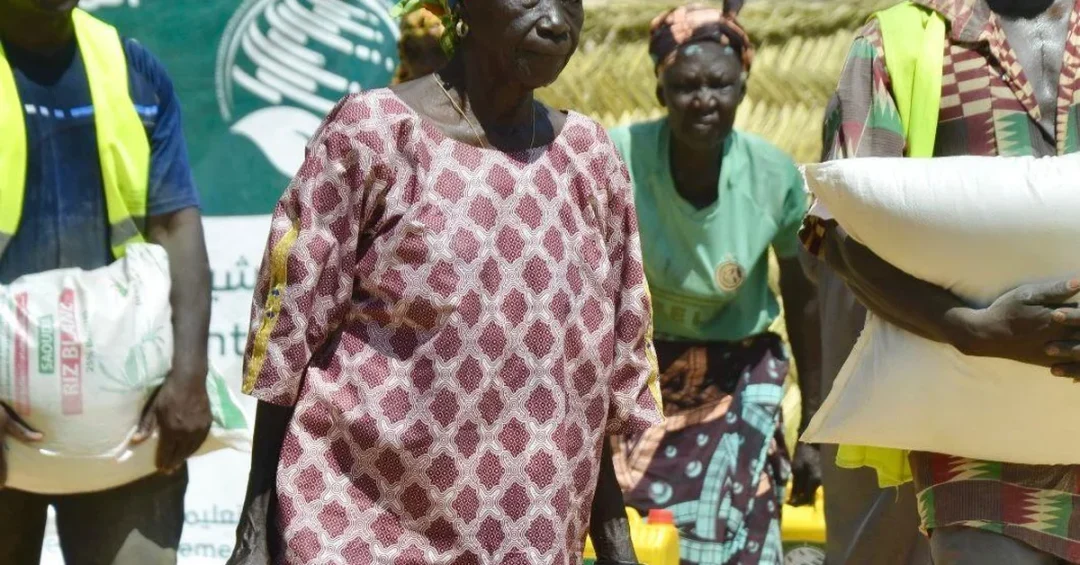
The King Salman Humanitarian Aid and Relief Center (KSrelief) distributed 201 food baskets in the village of Sharkaya, Hajar Lamis province, Chad, on November 7, 2024, benefiting 1,206 vulnerable individuals. This initiative is part of the 2024 Food Security Support Project in the Republic of Chad, reflecting Saudi Arabia’s ongoing commitment to humanitarian aid worldwide.
Context and Background
Chad, a landlocked country in Central Africa, faces significant food insecurity challenges exacerbated by climate change, regional conflicts, and economic instability. According to the World Food Programme, over 2 million Chadians require urgent food assistance. Saudi Arabia, through KSrelief, has been actively addressing these needs by providing food baskets, medical supplies, and other essential support to vulnerable populations across the globe.
KSrelief, established in 2015, has implemented thousands of projects in over 80 countries, with a focus on food security, health, education, and shelter. The 2024 Food Security Support Project in Chad is one such initiative, aiming to alleviate hunger and improve the livelihoods of the most affected communities.
Key Details
The distribution in Sharkaya village targeted the most vulnerable groups, including women, children, and the elderly. Each food basket contained essential items such as rice, flour, cooking oil, and pulses, providing a month’s supply for a family. This assistance not only addresses immediate hunger but also reduces the need for families to sell their assets or skip meals, thereby protecting their long-term resilience.
KSrelief’s efforts are coordinated with the Chadian government and local partners to ensure efficient delivery and transparency. The center emphasizes community participation and needs-based assessments to maximize the impact of its programs.
Implications and Impact
This humanitarian gesture strengthens the strong ties between Saudi Arabia and Chad, contributing to regional stability and prosperity. It also supports the global goal of achieving Zero Hunger (SDG 2) by 2030. By addressing the root causes of food insecurity, KSrelief helps build more resilient communities, reducing the risk of displacement and conflict caused by scarcity of resources.
Moreover, such initiatives highlight Saudi Arabia’s role as a leading donor in humanitarian affairs, not only in the Arab world but globally. This aligns with the Kingdom’s foreign policy of extending a helping hand to those in need, regardless of geography or creed.
Vision 2030 Alignment
This aid distribution exemplifies Saudi Arabia’s commitment to international solidarity and its Vision 2030 goals of becoming a pioneering and inspiring global leader. Through KSrelief, the Kingdom is translating its vision into tangible actions that have a lasting impact on millions of lives. By investing in food security and sustainable development abroad, Saudi Arabia fosters goodwill and partnerships that are essential for a peaceful and prosperous future.
20 Questions
Q1. What is KSrelief?
A1. The King Salman Humanitarian Aid and Relief Center (KSrelief) is Saudi Arabia’s official humanitarian and relief agency, established in 2015 to coordinate and deliver aid to needy countries worldwide.
Q2. What was the recent KSrelief operation in Chad?
A2. KSrelief distributed 201 food baskets in the village of Sharkaya in Hajar Lamis province, benefiting 1,206 individuals from vulnerable groups as part of the 2024 Food Security Support Project.
Q3. When did the distribution take place?
A3. The distribution occurred on November 7, 2024, in the village of Sharkaya, Chad.
Q4. What does each food basket typically contain?
A4. Each basket includes essential food items like rice, flour, cooking oil, and pulses, sufficient for a family’s monthly needs.
Q5. Who are the beneficiaries of this aid?
A5. The beneficiaries are 1,206 individuals from the most vulnerable groups, including women, children, and the elderly, in the village of Sharkaya.
Q6. What is the Food Security Support Project in Chad?
A6. It is a KSrelief initiative providing emergency food assistance to combat hunger and malnutrition among vulnerable people in Chad during 2024.
Q7. Why is food aid important in Chad?
A7. Chad faces severe food insecurity due to climate shocks, conflict, and poverty, leaving over 2 million people needing urgent food assistance.
Q8. How does Saudi Arabia’s aid align with Vision 2030?
A8. It reflects Vision 2030’s goal of making Saudi Arabia a global humanitarian leader, fostering international partnerships and sustainable development.
Q9. Is KSrelief active in other countries?
A9. Yes, KSrelief operates in over 80 countries, providing aid in food, health, education, and shelter following humanitarian crises.
Q10. How many people globally benefit from KSrelief projects?
A10. KSrelief has impacted millions of beneficiaries worldwide since its inception in 2015, though specific numbers vary by project.
Q11. What is the total number of food baskets distributed in Chad?
A11. This specific distribution delivered 201 baskets, part of a larger project that may include thousands across various regions in Chad.
Q12. How are aid recipients selected?
A12. Recipients are identified through needs assessments conducted in coordination with local authorities and UN agencies to target the most vulnerable.
Q13. Is the aid distributed in partnership with local organizations?
A13. Yes, KSrelief collaborates with the Chadian government and local NGOs to ensure effective and transparent delivery.
Q14. Does this aid promote sustainable food security in Chad?
A14. While it provides immediate relief, KSrelief also supports long-term projects like agricultural development to enhance resilience.
Q15. How does Chad’s food crisis compare to other African nations?
A15. Chad is among the most affected, with acute malnutrition rates higher than average in Sub-Saharan Africa due to persistent drought and conflict.
Q16. What is the role of Saudi Arabia in humanitarian diplomacy?
A16. Saudi Arabia, through KSrelief, is a major donor, extending aid to dozens of countries, reflecting its commitment to global solidarity and peace.
Q17. How can one verify KSrelief’s contributions?
A17. KSrelief publishes reports on its official website and through the Saudi Press Agency, showing project details and funding information.
Q18. Are there any challenges in delivering aid to rural Chad?
A18. Logistical difficulties, such as poor roads and security risks, can hamper aid delivery, but KSrelief works with local partners to overcome them.
Q19. Does the project include health or nutritional support?
A19. The food baskets are designed to meet nutritional needs, and KSrelief often complements them with health and nutrition programs for children and mothers.
Q20. What is the future outlook for Saudi-Chad relations?
A20. Continued humanitarian cooperation is expected to strengthen diplomatic and economic ties, fostering mutual development and stability in the region.
Reader Feedback
We value your thoughts. Please share your feedback on this article.
Your feedback helps us improve our coverage.