


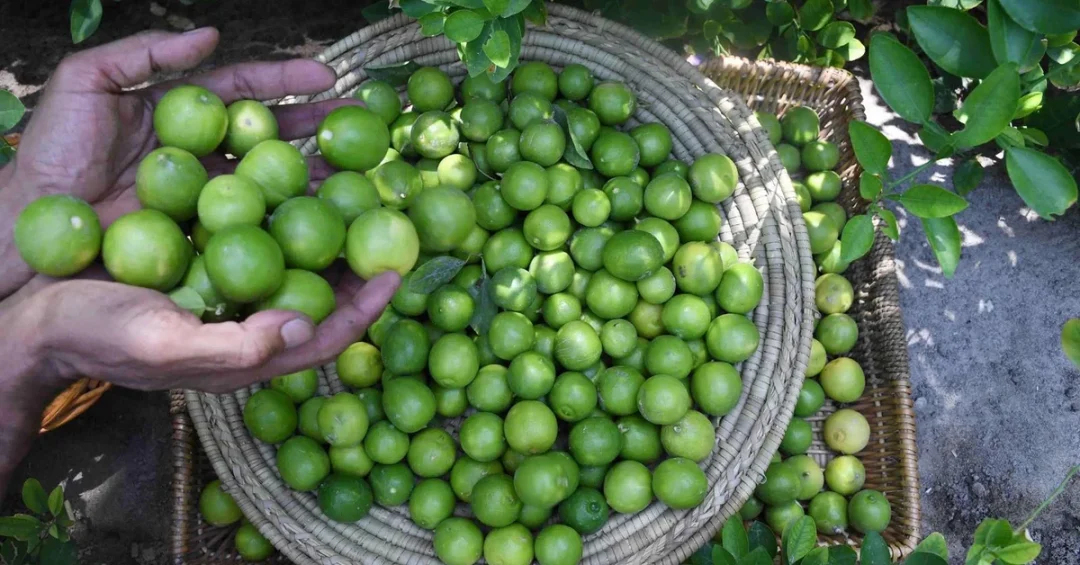
The Ministry of Environment, Water, and Agriculture has reported that farmers in the Makkah region are presenting their seasonal crops in public markets as part of the ongoing awareness campaign ‘Harvest Season’. The campaign, launched by the Ministry, aims to educate the public about the health benefits of consuming local, in-season fruits and to boost the livelihoods of local agricultural producers.
Context and Background
The ‘Harvest Season’ initiative is a key component of Saudi Arabia’s broader agricultural development strategy under Vision 2030. By encouraging the consumption of locally grown produce, the campaign supports national food security goals and reduces reliance on imported goods. The initiative also empowers small-scale farmers in regions like Makkah, providing them with a direct platform to reach consumers and strengthen the local agricultural economy.
Key Details
Eng. Jamaan Al-Zahrani, Director of the Public Markets Administration, stated that the campaign’s central goal is to highlight the nutritional value of locally available fruits throughout the year. He noted that the central vegetable markets in Makkah, Jeddah, and Taif are currently experiencing an abundance of crops, including grapes, figs, prickly pears, peaches, apricots, various types of dates, watermelons, and melons. Production this season is reportedly about 35% higher than the previous year, demonstrating strong agricultural output in the region. The Ministry is also conducting regular inspection and monitoring tours across all regions of the Kingdom to ensure compliance with public health standards and the availability of goods.
Implications and Impact
The increased availability of locally grown produce in public markets not only supports consumer health but also strengthens the economic resilience of rural communities. By reducing post-harvest losses and creating direct sales channels, farmers can increase their financial income and improve their quality of life. This model of local market integration is being replicated in other regions of the Kingdom, creating a more sustainable and self-sufficient agricultural framework that benefits both producers and consumers.
20 Questions
Q1. What is the ‘Harvest Season’ campaign?
A1. The ‘Harvest Season’ campaign is an awareness initiative by the Ministry of Environment, Water, and Agriculture aimed at promoting the consumption of local, in-season fruits in Saudi Arabia.
Q2. Who launched the campaign?
A2. The campaign was launched by the Ministry of Environment, Water, and Agriculture of Saudi Arabia.
Q3. Which region is highlighted in this report?
A3. The report highlights the Makkah region, with a focus on farmers displaying their crops in public markets.
Q4. What is the main goal of the campaign?
A4. The main goal is to raise awareness about the health and nutritional benefits of consuming local fruits when they are in season.
Q5. Who is Eng. Jamaan Al-Zahrani?
A5. Eng. Jamaan Al-Zahrani is the Director of the Public Markets Administration within the Ministry of Environment, Water, and Agriculture.
Q6. What fruits are mentioned as being abundant this season?
A6. Fruits mentioned include grapes, figs, prickly pears, peaches, apricots, various dates, watermelons, and melons.
Q7. How much has crop production increased compared to last year?
A7. Crop production is about 35% higher than last year in the central vegetable markets of Makkah, Jeddah, and Taif.
Q8. Which cities host central vegetable markets mentioned in the report?
A8. The cities of Makkah, Jeddah, and Taif host the central vegetable markets mentioned.
Q9. How does the campaign help local farmers?
A9. It helps farmers market their produce directly, increasing their financial income and improving their living standards.
Q10. What is the role of the Ministry’s inspection tours?
A10. The inspection tours ensure the availability of goods and verify compliance with public health regulations in commercial establishments.
Q11. Does the campaign only cover the Makkah region?
A11. While the focus is on Makkah, the Ministry conducts similar monitoring and tours across all regions of the Kingdom.
Q12. What is the broader goal of supporting local agriculture?
A12. Supporting local agriculture strengthens national food security and reduces reliance on imported goods, aligning with Vision 2030.
Q13. Are seasonal fruits available year-round in Saudi markets?
A13. Yes, different fruits are in season at various times of the year, providing a continuous supply of fresh local produce.
Q14. How do public markets benefit from seasonal crop displays?
A14. They become thriving hubs with abundant, high-quality produce, attracting more consumers and supporting the local economy.
Q15. What is the economic impact on farmers?
A15. Farmers can increase their income, reduce post-harvest losses, and achieve a higher quality of life through direct sales.
Q16. Does the campaign promote any specific dietary advice?
A16. Yes, it encourages the consumption of fruits when they are naturally in season for maximum nutritional benefit.
Q17. How does the campaign align with Vision 2030?
A17. It supports agricultural sustainability, food security, and rural economic development, all key pillars of Vision 2030.
Q18. Are there any requirements for farmers to participate?
A18. Farmers must ensure their produce meets public health standards, as verified by Ministry inspection teams.
Q19. Can consumers find organic local produce in these markets?
A19. The report does not specify organic certification, but the campaign focuses on fresh, locally grown fruits available in season.
Q20. What is the long-term vision for Saudi agriculture?
A20. The long-term vision is to create a sustainable, self-sufficient agricultural sector that enhances food security and supports rural communities.
Vision 2030 Alignment
This initiative directly advances Saudi Arabia’s Vision 2030 by strengthening the agricultural sector, enhancing food security, and creating sustainable livelihoods for farmers. By connecting producers directly with consumers, the campaign fosters a resilient local economy and reduces dependence on imports. As the ‘Harvest Season’ campaign continues to expand, it represents a practical step toward a more self-sufficient and prosperous Kingdom, demonstrating the positive impact of public-private collaboration in agriculture.
Reader Feedback
We value your thoughts. Please share your feedback on this article.
Your feedback helps us improve our coverage.