


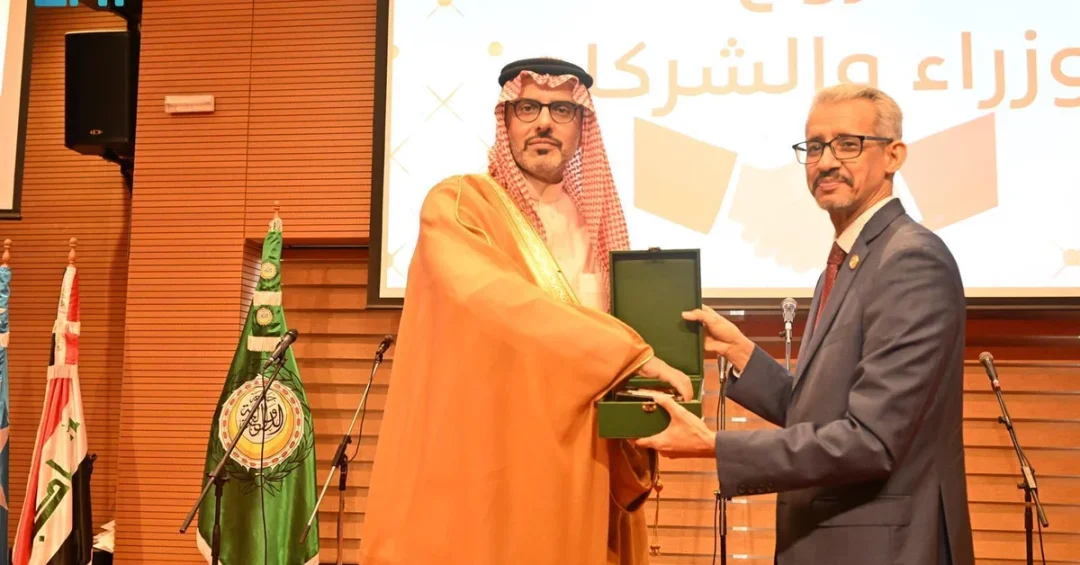
The King Salman Global Academy for Arabic Language (KSGAAL), in collaboration with the Arab League Educational, Cultural, and Scientific Organization (ALECSO), successfully concluded the Artificial Intelligence in the Service of the Arabic Language competition on February 19, 2025. The event, held at ALECSO headquarters in Tunisia, attracted nearly 3 million participants from across the Arab world, showcasing the region’s commitment to integrating modern technologies into Arabic language processing.
Context and Background
The competition was part of Arab Code Week activities, which aim to promote digital innovation in linguistic applications. The initiative highlights the growing importance of artificial intelligence (AI) in developing Arabic-language content and enhancing its use in contemporary digital platforms. This event underscores Saudi Arabia’s leadership in preserving and advancing the Arabic language through cutting-edge technology.
Key Details
Dr. Ibrahim bin Mohammed Abanmi, KSGAAL deputy secretary-general, emphasized the competition’s role in advancing technical innovation for the preservation and development of the Arabic language. He noted that AI represents a promising tool in linguistic research, enabling more effective applications of Arabic in the digital age. The competition attracted participants from diverse backgrounds, reflecting the broad interest in leveraging AI for linguistic advancements.
Implications and Impact
The success of this competition has significant implications for the Arab world, particularly in the fields of education, technology, and cultural preservation. By fostering digital innovation in Arabic language processing, the initiative contributes to the broader goal of enhancing the Arabic language’s presence in global digital platforms. This effort aligns with the Kingdom’s Vision 2030 objectives of promoting technological innovation and cultural heritage.
Vision 2030 Alignment
This initiative is a clear reflection of Saudi Arabia’s Vision 2030, which emphasizes the importance of technological advancement and cultural preservation. By integrating AI into Arabic language processing, KSGAAL and ALECSO are contributing to the Kingdom’s broader goals of fostering innovation, enhancing education, and promoting cultural heritage on a global scale.
20 Questions
Q1. What was the purpose of the Artificial Intelligence in the Service of the Arabic Language competition?
A1. The competition aimed to integrate modern technologies into Arabic language processing, fostering digital innovation in linguistic applications.
Q2. Who organized the competition?
A2. The competition was organized by the King Salman Global Academy for Arabic Language (KSGAAL) in collaboration with the Arab League Educational, Cultural, and Scientific Organization (ALECSO).
Q3. Where was the competition held?
A3. The competition was held at the ALECSO headquarters in Tunisia.
Q4. How many participants attended the competition?
A4. The competition attracted nearly 3 million participants from across the Arab world.
Q5. What is KSGAAL?
A5. KSGAAL stands for the King Salman Global Academy for Arabic Language, an organization dedicated to preserving and advancing the Arabic language.
Q6. What is ALECSO?
A6. ALECSO stands for the Arab League Educational, Cultural, and Scientific Organization, which promotes educational, cultural, and scientific initiatives in the Arab world.
Q7. What role did AI play in the competition?
A7. AI was used to develop Arabic-language content and enhance its use in contemporary digital platforms.
Q8. What did Dr. Ibrahim bin Mohammed Abanmi highlight about the competition?
A8. Dr. Ibrahim bin Mohammed Abanmi highlighted the competition’s significance in advancing technical innovation for Arabic language preservation and development.
Q9. What is Arab Code Week?
A9. Arab Code Week is an initiative aimed at promoting digital innovation in linguistic applications.
Q10. How does the competition benefit the Arabic language?
A10. The competition fosters digital innovation in Arabic language processing, enhancing its use in contemporary digital platforms.
Q11. What is the significance of AI in linguistic research?
A11. AI represents a promising tool in linguistic research, enabling more effective applications of Arabic in the digital age.
Q12. How does the competition align with Saudi Arabia’s Vision 2030?
A12. The competition aligns with Vision 2030 by promoting technological innovation and cultural heritage.
Q13. What are the broader goals of Vision 2030?
A13. Vision 2030 aims to foster innovation, enhance education, and promote cultural heritage on a global scale.
Q14. How does the competition contribute to cultural preservation?
A14. The competition contributes to cultural preservation by advancing the Arabic language through cutting-edge technology.
Q15. What fields benefit from the competition?
A15. The fields of education, technology, and cultural preservation benefit from the competition.
Q16. What is the role of KSGAAL in the competition?
A16. KSGAAL plays a key role in organizing and promoting the competition, emphasizing the importance of Arabic language preservation.
Q17. What is the role of ALECSO in the competition?
A17. ALECSO collaborates with KSGAAL to organize the competition, promoting educational and cultural initiatives in the Arab world.
Q18. How does the competition enhance the Arabic language’s global presence?
A18. The competition enhances the Arabic language’s global presence by fostering digital innovation in its processing and application.
Q19. What is the impact of the competition on education?
A19. The competition impacts education by integrating modern technologies into Arabic language processing, enhancing learning tools.
Q20. What is the future outlook for AI in Arabic language processing?
A20. The future outlook for AI in Arabic language processing is promising, with continued advancements expected to enhance its application and preservation.
Reader Feedback
We value your thoughts. Please share your feedback on this article.
Your feedback helps us improve our coverage.