


Riyadh, July 30, 2024 — The Kingdom of Saudi Arabia has achieved another significant milestone in its cultural preservation efforts with the inscription of the Cultural Landscape of Al-Faw Archaeological Area in the UNESCO World Heritage List. This recognition, announced during the 46th session of the UNESCO World Heritage Committee, marks the eighth UNESCO World Heritage site for the Kingdom, underscoring its growing global leadership in cultural heritage stewardship.
Context and Background
The Cultural Landscape of Al-Faw Archaeological Area, located in the Wadi Al-Dawasir region, is a testament to the rich Islamic, Arab, and national heritage of Saudi Arabia. The site features ancient inscriptions, burial mounds, and remnants of settlements that date back thousands of years, providing critical insights into the region’s history as a crossroads of civilizations. This inscription builds on Saudi Arabia’s broader efforts to preserve and promote its cultural heritage, aligning with the Kingdom’s ambitions under Vision 2030 to diversify its economy and enhance its cultural sector.
Key Details
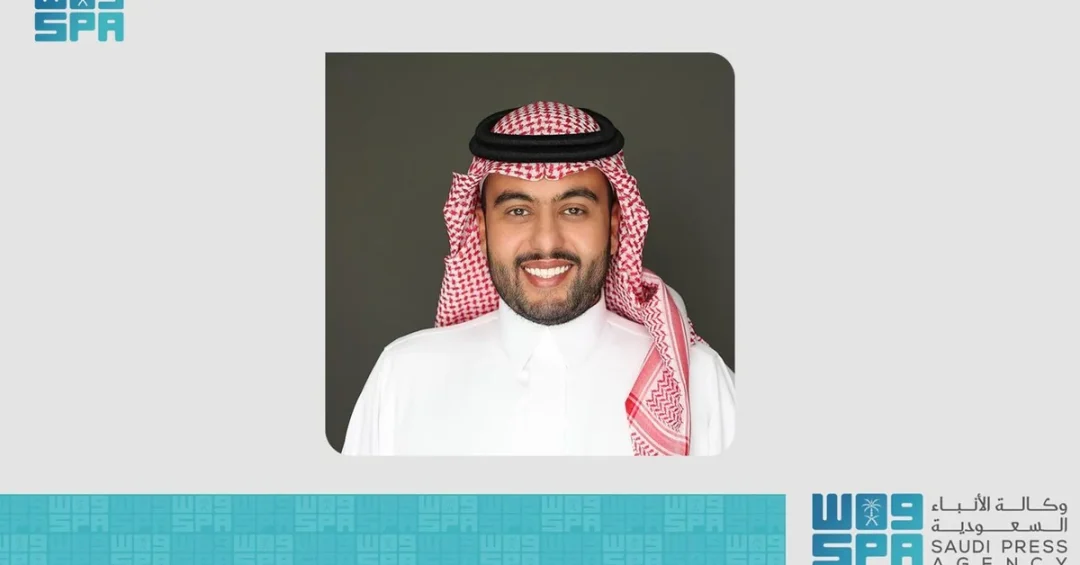
Quality of Life Program CEO Khalid Al-Baker hailed the UNESCO inscription as a testament to the country’s commitment to safeguarding its rich heritage, in line with the goals of Vision 2030. Al-Baker attributed this achievement to the leadership’s unwavering support and the dedicated efforts of the Heritage Commission, operating under the guidance of Minister of Culture Prince Badr bin Abdullah bin Farhan. According to Al-Baker, the Cultural Landscape of Al-Faw Archaeological Area and other national sites are expected to see a surge in tourists, researchers, and academics eager to explore their historical significance. This influx of visitors will contribute to the development of a thriving cultural scene in the Kingdom, positioning it as a global tourism and cultural hub, he added.
Implications and Impact
The inscription of Al-Faw is expected to have far-reaching implications for Saudi Arabia’s tourism sector, a key pillar of the Kingdom’s Vision 2030 plan to reduce its dependence on oil revenues. The site’s UNESCO status will elevate its international profile, attracting visitors from around the world and generating economic opportunities for local communities. Additionally, this recognition reinforces Saudi Arabia’s role as a guardian of cultural heritage in the region, fostering greater international cooperation in archaeological research and preservation. The achievement also bolsters Saudi Arabia’s reputation as a destination for cultural tourism, supporting the ambitions of the Quality of Life Program to enhance the well-being of citizens, residents, and visitors by enriching their cultural experiences.
Vision 2030 Alignment
The UNESCO inscription of the Cultural Landscape of Al-Faw Archaeological Area aligns seamlessly with Saudi Arabia’s Vision 2030, which prioritizes cultural preservation, tourism development, and quality of life improvements. By highlighting the Kingdom’s unique heritage, this milestone supports the goal of promoting Saudi Arabia as a leading global destination for cultural tourism. As Al-Baker emphasized, the site’s newfound recognition will not only attract tourists and researchers but also enrich the cultural scene in the Kingdom, contributing to the broader vision of a vibrant society and a diversified economy. This achievement underscores Saudi Arabia’s commitment to preserving its past while building a sustainable future, positioning it as a beacon of cultural heritage in the Middle East and beyond.
20 Questions
Q1. What is the significance of the UNESCO inscription of the Cultural Landscape of Al-Faw Archaeological Area?
A1. The inscription recognizes the site’s outstanding universal value, highlighting Saudi Arabia’s rich cultural heritage and commitment to preservation, while boosting tourism and research opportunities.
Q2. When was the Cultural Landscape of Al-Faw Archaeological Area inscribed on the UNESCO World Heritage List?
A2. The inscription was announced during the 46th session of the UNESCO World Heritage Committee in 2024, marking a milestone for Saudi Arabia’s cultural preservation efforts.
Q3. Who is Khalid Al-Baker, and what is his role?
A3. Khalid Al-Baker is the CEO of the Quality of Life Program, a Saudi initiative focused on improving well-being and enriching cultural experiences for citizens, residents, and visitors.
Q4. How many UNESCO World Heritage sites does Saudi Arabia now have?
A4. Saudi Arabia now has eight UNESCO World Heritage sites, reflecting its growing stature as a global leader in cultural heritage stewardship.
Q5. What is the Quality of Life Program’s mission?
A5. The Quality of Life Program aims to enhance the quality of life for all in the Kingdom by developing cultural, recreational, and tourism sectors, aligned with Vision 2030.
Q6. Who oversaw the efforts to secure the UNESCO inscription?
A6. The Heritage Commission, under the guidance of Minister of Culture Prince Badr bin Abdullah bin Farhan, led the efforts for the UNESCO inscription.
Q7. What is the Cultural Landscape of Al-Faw Archaeological Area known for?
A7. The site is known for its ancient inscriptions, burial mounds, and settlement remnants that provide insights into the region’s history as a crossroads of civilizations.
Q8. How will this UNESCO inscription boost tourism in Saudi Arabia?
A8. The inscription will attract international tourists, researchers, and academics, increasing visitor numbers and enhancing the Kingdom’s reputation as a cultural tourism destination.
Q9. What are the long-term economic benefits of this UNESCO listing?
A9. The listing is expected to generate economic opportunities by boosting cultural tourism, creating jobs in hospitality and heritage sectors, and fostering regional development.
Q10. How does this achievement align with Vision 2030?
A10. Vision 2030 emphasizes cultural preservation, tourism growth, and economic diversification, and the inscription directly supports these goals by promoting Saudi heritage globally.
Q11. What role did the Saudi government play in this achievement?
A11. The Saudi government, under the leadership of King Salman and Crown Prince Mohammed bin Salman, provided unwavering support for heritage preservation and UNESCO nominations.
Q12. What is the Cultural Landscape of Al-Faw’s historical significance?
A12. The site was a key trading and cultural center in pre-Islamic and early Islamic times, featuring inscriptions and artifacts that document the region’s rich history.
Q13. How will researchers benefit from this UNESCO listing?
A13. Researchers will gain easier access to the site for archaeological studies, fostering academic collaboration and deeper understanding of ancient civilizations in the Arabian Peninsula.
Q14. What is the Heritage Commission’s role in Saudi Arabia?
A14. The Heritage Commission is responsible for managing, preserving, and promoting Saudi Arabia’s cultural and archaeological heritage, including preparing sites for UNESCO nomination.
Q15. What does this inscription mean for the local community in Wadi Al-Dawasir?
A15. The community will benefit from increased tourism, infrastructure development, and job opportunities, while gaining global recognition for their region’s historical importance.
Q16. How does this milestone contribute to Saudi Arabia’s global image?
A16. It portrays Saudi Arabia as a cultural leader and a guardian of world heritage, enhancing its international reputation and attracting positive global attention.
Q17. What are the other UNESCO World Heritage sites in Saudi Arabia?
A17. These include Al-Hasa Oasis, Mada’in Saleh (Hegra), Historic Jeddah, and the Rock Art in the Hail Region, among others, each showcasing unique heritage.
Q18. How does the Quality of Life Program support cultural tourism?
A18. The program develops cultural sites, organizes events, and promotes heritage tourism to improve living standards and attract international visitors.
Q19. What steps will be taken to preserve Al-Faw for future generations?
A19. The Heritage Commission will implement conservation plans, monitor site conditions, and engage in international cooperation to protect the site’s integrity and accessibility.
Q20. What is the broader significance of Saudi Arabia’s cultural campaign?
A20. The campaign highlights the Kingdom’s commitment to preserving its heritage, promoting sustainable tourism, and building a vibrant society that values cultural diversity.
Reader Feedback
We value your thoughts. Please share your feedback on this article.
Your feedback helps us improve our coverage.