


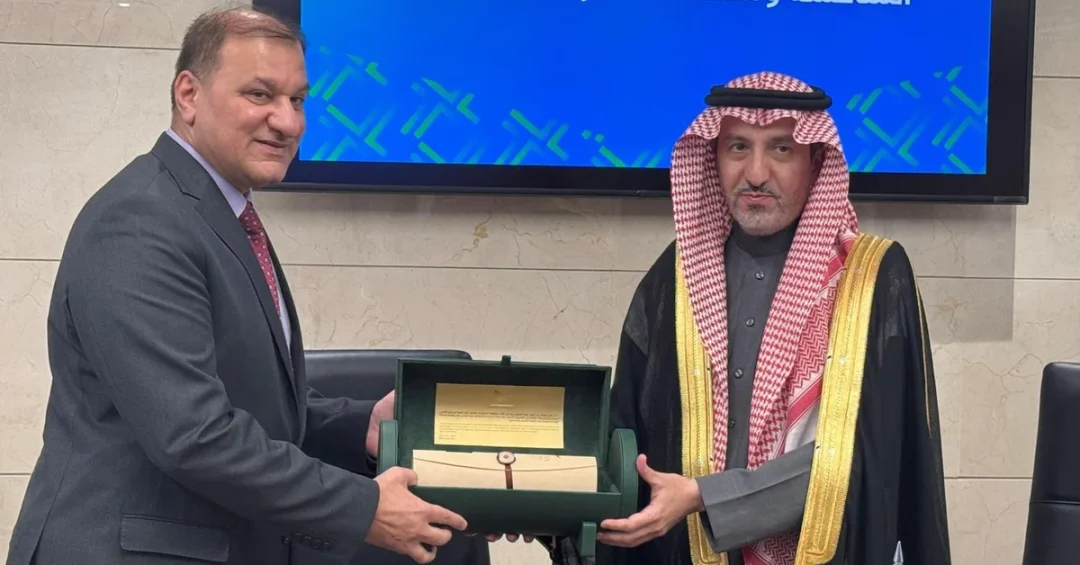
The General Authority for Competition (GAC) of Saudi Arabia has signed a Memorandum of Understanding (MoU) with Iraq’s Competition and Antitrust Council to enhance cooperation in promoting fair competition and preventing monopolistic practices. The agreement was signed on February 20, 2025, at the GAC headquarters in Riyadh, marking a significant step in fostering bilateral economic collaboration.
Context and Background
The MoU underscores Saudi Arabia’s commitment to strengthening economic ties with neighboring Arab nations and advancing regional market integration. The GAC, established to regulate and promote competition in Saudi Arabia, has been actively engaging with international counterparts to share expertise and best practices in competition law enforcement.
Key Details
The agreement includes provisions for the exchange of information and expertise, focusing on competitive guidance, investigative procedures, and complaint handling. Both entities will collaborate on studies and reports to analyze market practices and ensure compliance with competition laws. This partnership aims to enhance regulatory frameworks and foster fair competition across industries.
Implications and Impact
The MoU is expected to contribute to the economic development of both Saudi Arabia and Iraq by promoting transparency, efficiency, and fairness in their respective markets. It also reinforces Saudi Arabia’s leadership role in advancing economic cooperation in the Arab world, aligning with broader regional goals of economic integration and sustainable growth.
Vision 2030 Alignment
This agreement aligns with Saudi Arabia’s Vision 2030, which emphasizes economic diversification, regional cooperation, and the development of a competitive business environment. By fostering fair competition and preventing monopolistic practices, the GAC is contributing to the Kingdom’s long-term economic stability and global competitiveness.
20 Questions
Q1. What is the purpose of the MoU?
A1. The MoU aims to enhance cooperation between Saudi Arabia and Iraq in promoting fair competition and preventing monopolistic practices.
Q2. When was the MoU signed?
A2. The MoU was signed on February 20, 2025.
Q3. Where was the MoU signed?
A3. The MoU was signed at the GAC headquarters in Riyadh.
Q4. Who signed the MoU?
A4. The MoU was signed by the General Authority for Competition of Saudi Arabia and Iraq’s Competition and Antitrust Council.
Q5. What are the main provisions of the MoU?
A5. The MoU includes provisions for information and expert exchanges, investigative procedures, and complaint handling.
Q6. How will the MoU benefit Saudi Arabia?
A6. The MoU will enhance Saudi Arabia’s regulatory framework and promote fair competition, contributing to economic stability.
Q7. How will the MoU benefit Iraq?
A7. The MoU will strengthen Iraq’s competition laws and foster a more transparent and efficient market.
Q8. What is the role of the GAC?
A8. The GAC regulates and promotes competition in Saudi Arabia, ensuring fair market practices.
Q9. How does the MoU align with Vision 2030?
A9. The MoU aligns with Vision 2030 by promoting economic diversification and regional cooperation.
Q10. What is the significance of this agreement?
A10. The agreement signifies Saudi Arabia’s commitment to advancing economic cooperation in the Arab world.
Q11. What areas of expertise will be exchanged?
A11. Expertise in competitive guidance, investigative procedures, and complaint handling will be exchanged.
Q12. How will the MoU impact regional markets?
A12. The MoU will enhance market integration and promote fair competition across the region.
Q13. What is the focus of the collaboration?
A13. The collaboration focuses on analyzing market practices and ensuring compliance with competition laws.
Q14. What are the long-term goals of the MoU?
A14. The long-term goals include fostering sustainable economic growth and regional economic integration.
Q15. How does the MoU support economic development?
A15. The MoU supports economic development by promoting transparency and efficiency in markets.
Q16. What industries will benefit from this agreement?
A16. All industries will benefit from enhanced competition and regulatory frameworks.
Q17. How will the MoU be implemented?
A17. The MoU will be implemented through joint studies, reports, and expert exchanges.
Q18. What is the role of Iraq’s Competition and Antitrust Council?
A18. The Council regulates competition in Iraq, ensuring fair market practices.
Q19. How does the MoU reflect Saudi Arabia’s leadership?
A19. The MoU reflects Saudi Arabia’s leadership in advancing regional economic cooperation.
Q20. What are the next steps following the MoU?
A20. The next steps include implementing the provisions of the MoU and fostering ongoing collaboration.
Reader Feedback
We value your thoughts. Please share your feedback on this article.
Your feedback helps us improve our coverage.