


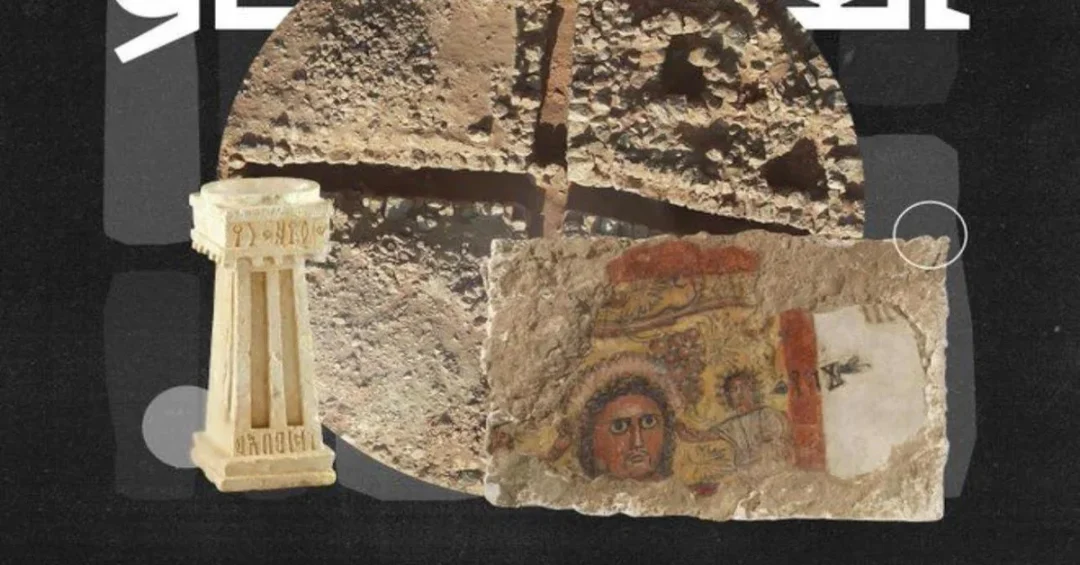
The Kingdom of Saudi Arabia has successfully inscribed the Cultural Landscape of Al-Faw Archaeological Area on the UNESCO World Heritage List. Minister of Culture, Chairman of the Heritage Commission, and Chairman of the National Committee for Education, Culture, and Science, Prince Badr bin Abdullah bin Farhan, made the announcement during the 46th session of the World Heritage Committee held in New Delhi, India, from July 22 to 31, 2024. The site, located in the Riyadh Region, was recognized as a cultural site of outstanding universal value to humanity, marking the Kingdom’s eighth UNESCO World Heritage inscription.
Context and Background
The Cultural Landscape of Al-Faw Archaeological Area, situated at the north-western edge of the Empty Quarter, reveals human occupation spanning millennia. From early nomadic settlements to a thriving urban center in the 1st millennium BCE, the site demonstrates the skillful interaction of humanity with the environment over almost a millennium until the irreversible depletion of water resources. Standing at the intersection of Wadi Ad-Dawasir and the Tuwaiq escarpment, Saudi archaeologists discovered ancient springs and a vast irrigation network of water channels, testifying to a relict cultural landscape.
Key Details
The successful nomination was led by the Ministry of Culture, represented by the Heritage Commission in collaboration with the National Commission for Education, Culture and Science, underscoring Saudi Arabia’s commitment to protecting its vast cultural heritage. Prince Badr bin Abdullah bin Farhan emphasized that the inscription reflects the strong support of the Custodian of the Two Holy Mosques, King Salman bin Abdulaziz Al Saud, and His Royal Highness Prince Mohammed bin Salman bin Abdulaziz Al Saud, Crown Prince and Prime Minister. Al-Faw once flourished as a pivotal link in the frankincense trade route, connecting South Arabia to Mesopotamia and the Mediterranean, with excavations revealing successive occupations from at least three different civilizations.
Implications and Impact
Al-Faw features a wide array of prehistoric remains, including spectacular avenues of tapered stone structures and circular tombs across its 50 km² territory, as well as rock carvings of human and animal motifs, chariots, camels, ibex, and oryx. This inscription joins Saudi Arabia’s distinguished World Heritage sites: Hegra Archaeological Site, At-Turaif District in ad-Dir’iyah, Historic Jeddah, Rock Art in the Hail Region, Al-Ahsa Oasis, Ḥimā Cultural Area, and ‘Uruq Bani Ma‘arid. The recognition boosts Saudi Arabia’s global cultural standing and attracts international attention to its historical depth and preservation efforts.
Vision 2030 Alignment
The registration of cultural heritage elements on the UNESCO World Heritage List is a testament to the deep historical roots of the Kingdom under Saudi Vision 2030, which emphasizes celebrating national identity and preserving heritage for future generations. Prince Badr bin Abdullah bin Farhan stated, “The Kingdom recognizes the importance of heritage, its preservation, and its promotion worldwide in order to establish a solid foundation for the present, chart a roadmap for future endeavors, and support the Heritage Commission in developing national heritage assets.” This achievement reinforces Saudi Arabia’s pioneering role in serving shared global human heritage.
20 Questions
Q1. What is the Cultural Landscape of Al-Faw Archaeological Area?
A1. It is an archaeological site in the Riyadh Region of Saudi Arabia, located at the north-western edge of the Empty Quarter, recognized as a UNESCO World Heritage site of outstanding universal value.
Q2. When was the site inscribed on the UNESCO World Heritage List?
A2. The inscription was announced during the 46th session of the World Heritage Committee in New Delhi, India, on July 27, 2024, with the session running from July 22 to 31.
Q3. Who announced the successful inscription?
A3. Prince Badr bin Abdullah bin Farhan, Minister of Culture, Chairman of the Heritage Commission, and Chairman of the National Committee for Education, Culture, and Science, made the announcement.
Q4. How many UNESCO World Heritage sites does Saudi Arabia now have?
A4. The Kingdom now has eight World Heritage List inscriptions, with Al-Faw joining seven other sites across the country.
Q5. What other sites are on Saudi Arabia’s UNESCO list?
A5. They include Hegra Archaeological Site, At-Turaif District in ad-Dir’iyah, Historic Jeddah, Rock Art in the Hail Region, Al-Ahsa Oasis, Ḥimā Cultural Area, and ‘Uruq Bani Ma‘arid.
Q6. What is the historical significance of Al-Faw?
A6. Al-Faw was a thriving urban center in the 1st millennium BCE and a key link in the frankincense trade route connecting South Arabia to Mesopotamia and the Mediterranean.
Q7. Who led the nomination process?
A7. The Ministry of Culture, represented by the Heritage Commission, led the nomination in collaboration with the National Commission for Education, Culture and Science.
Q8. What does the site contain in terms of archaeological remains?
A8. It features prehistoric remains including tapered stone structures, circular tombs, rock carvings of human and animal motifs, chariots, camels, ibex, and oryx across 50 km².
Q9. How does this inscription support Saudi Vision 2030?
A9. It aligns with Vision 2030 by celebrating national identity, preserving cultural heritage, and promoting Saudi Arabia’s role in global human heritage.
Q10. Who supported the heritage efforts according to Prince Badr?
A10. The efforts were supported by the Custodian of the Two Holy Mosques, King Salman bin Abdulaziz Al Saud, and Crown Prince Mohammed bin Salman bin Abdulaziz Al Saud.
Q11. What is the geographical location of Al-Faw?
A11. It is at the north-western edge of the Empty Quarter, standing at the intersection of Wadi Ad-Dawasir and the Tuwaiq escarpment in the Riyadh Region.
Q12. What evidence shows human occupation at Al-Faw?
A12. The site reveals ancient springs, a vast irrigation network of water channels, and remains from early nomadic settlements and at least three different civilizations.
Q13. Why did the urban center decline?
A13. The irreversible depletion of water resources led to the decline of the thriving urban center after almost a millennium of occupation.
Q14. What trade route was Al-Faw part of?
A14. It was a pivotal link in the frankincense trade route, connecting South Arabia to Mesopotamia and the Mediterranean.
Q15. What did Prince Badr say about heritage preservation?
A15. He stated that the Kingdom recognizes heritage’s importance for establishing a foundation for the present, charting a future roadmap, and supporting the Heritage Commission.
Q16. How does the inscription benefit Saudi Arabia internationally?
A16. It boosts the Kingdom’s global cultural standing, attracts international attention to its historical depth, and showcases its commitment to cultural preservation.
Q17. What type of UNESCO classification did Al-Faw receive?
A17. It was recognized as a cultural World Heritage site of outstanding universal value to humanity.
Q18. Are there rock carvings at Al-Faw?
A18. Yes, rock carvings with human and animal motifs, including chariots, camels, ibex, and oryx, are found in various parts of the area.
Q19. Who oversees heritage in Saudi Arabia?
A19. The Heritage Commission, under the Ministry of Culture, oversees national heritage assets, supported by the National Commission for Education, Culture and Science.
Q20. What is the size of the Al-Faw archaeological area?
A20. The site covers an extensive 50 km² territory, featuring a wide array of prehistoric remains and structures.
Reader Feedback
We value your thoughts. Please share your feedback on this article.
Your feedback helps us improve our coverage.