


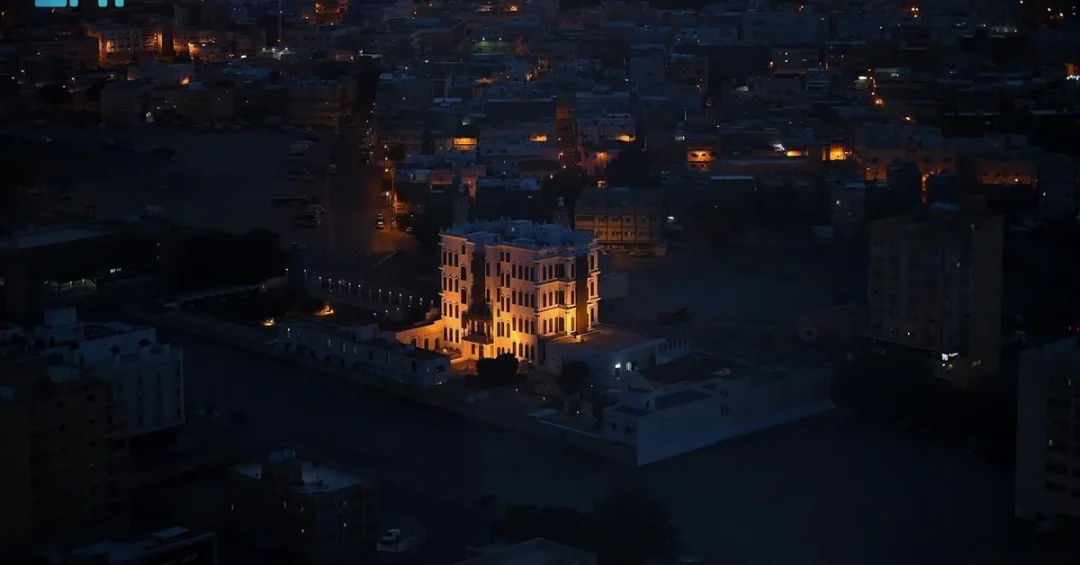
Shubra Street in Taif, a historic thoroughfare recognized by the Saudi Press Agency as a living museum of Saudi heritage, continues to captivate visitors with its deep-rooted cultural and political significance. This iconic street, described as a city within a city, has served as a unifying hub for centuries, housing prominent figures, diverse cultures, and essential public services. Its legacy is intricately woven into the fabric of Taif, a city renowned for its verdant orchards and timeless charm.
Context and Background
Shubra Street’s history dates back to the early Islamic era, with its name and character evolving over millennia. The street gained particular prominence during the reign of King Abdulaziz Al Saud, who used it as a government seat, solidifying its status as a historic landmark. This tradition continued under King Saud and King Faisal, who utilized the area as the Cabinet’s summer headquarters. In 1986, the site was transformed into a museum, preserving its architectural and historical essence for future generations.
Key Details
Historian Essa Alqusaier, in an interview with the Saudi Press Agency, highlighted Shubra Street’s enduring role in Taif’s narrative. He emphasized its ties to traditional arts, folklore, and community gatherings, noting that the street tells the stories of its residents and their vibrant community life. Today, Shubra remains a focal point for scholars and historians, symbolizing a significant chapter in Saudi Arabia’s history.
Implications and Impact
The preservation and celebration of Shubra Street underscore Saudi Arabia’s commitment to cultural heritage as part of its national identity. This initiative supports the Kingdom’s Vision 2030 goals of diversifying the economy and promoting tourism through historical and cultural sites. The street’s legacy not only attracts international visitors but also fosters a deeper appreciation for Saudi Arabia’s rich history among younger generations.
Vision 2030 Alignment
Shubra Street’s evolution from a government hub to a cultural museum exemplifies the Kingdom of Saudi Arabia dedication to preserving its past while building a vibrant future. As part of Vision 2030, such historic sites are being revitalized to promote tourism and cultural exchange, ensuring that Taif’s timeless tale continues to inspire global audiences. The street’s enduring legacy reflects the Kingdom’s broader vision of a modern, open society rooted in its rich heritage.
20 Questions
Q1. Where is Shubra Street located?
A1. Shubra Street is located in Taif, a historic city in Saudi Arabia known for its verdant orchards and cool climate, nestled in the Hejaz region.
Q2. Why is Shubra Street considered historic?
A2. Shubra Street is historic because it served as a government seat under King Abdulaziz Al Saud and later as the Cabinet’s summer headquarters, evolving into a museum in 1986.
Q3. What role did Shubra Street play during the reign of King Abdulaziz?
A3. During King Abdulaziz’s reign, Shubra Street was used as a government seat, solidifying its status as a central political and administrative hub in Saudi Arabia.
Q4. Who used Shubra Street as the Cabinet’s summer headquarters?
A4. King Saud and King Faisal used Shubra Street as the Cabinet’s summer headquarters, continuing its political significance.
Q5. When did Shubra Street become a museum?
A5. Shubra Street became a museum in 1986, preserving its architectural and historical heritage for future generations.
Q6. What is the cultural importance of Shubra Street?
A6. Shubra Street is culturally important for its ties to traditional arts, folklore, and community gatherings, serving as a symbol of Saudi heritage.
Q7. Who is historian Essa Alqusaier?
A7. Essa Alqusaier is a historian who spoke to the Saudi Press Agency, highlighting Shubra Street’s significance in Taif’s narrative and its vibrant community life.
Q8. What did Alqusaier say about Shubra Street’s markets?
A8. Alqusaier emphasized that Shubra Street’s markets tell the stories of its residents and their vibrant community life, highlighting its social importance.
Q9. How does Shubra Street reflect Taif’s history?
A9. Shubra Street reflects Taif’s history by housing prominent figures, diverse cultures, and serving as a center for public services, education, and healthcare.
Q10. What is the significance of Shubra Street being called a city within a city?
A10. It is called a city within a city because it is rich in art, architecture, and vibrant with a bustling center, resembling a self-contained urban area.
Q11. How does Shubra Street contribute to Saudi Vision 2030?
A11. Shubra Street supports Vision 2030 by promoting cultural tourism and preserving Saudi heritage, aligning with the Kingdom’s goal of economic diversification.
Q12. What type of buildings are found on Shubra Street?
A12. Shubra Street features government offices, educational institutions, healthcare facilities, and a museum, reflecting its historical role as a service center.
Q13. Why is Shubra Street important for historians?
A13. Shubra Street is important for historians as it symbolizes a significant chapter in Saudi history, with scholars and writers focusing on its legacy.
Q14. How does Shubra Street preserve traditional arts?
A14. Shubra Street preserves traditional arts through its ties to folklore and community gatherings, which are highlighted in its museum and cultural events.
Q15. What is the architectural style of Shubra Street?
A15. Shubra Street’s architecture is a blend of historic styles, reflecting Saudi Arabia’s rich cultural past and its evolution over centuries.
Q16. How does Shubra Street attract tourists?
A16. Shubra Street attracts tourists through its historic museum, cultural significance, and role as a symbol of Taif’s heritage, part of Saudi Arabia’s tourism push.
Q17. What is the relationship between Shubra Street and Taif’s orchards?
A17. Shubra Street is nestled amidst Taif’s verdant orchards, adding to its timeless charm and making it a picturesque destination.
Q18. How did Shubra Street evolve from a government seat to a museum?
A18. Shubra Street evolved from being used by King Abdulaziz as a government seat to the Ministry of Defense headquarters, then into a museum in 1986.
Q19. What role does the Saudi Press Agency play in documenting Shubra Street?
A19. The Saudi Press Agency documented Shubra Street’s history through interviews with historians like Essa Alqusaier, highlighting its cultural importance.
Q20. How will future generations appreciate Shubra Street?
A20. Future generations will appreciate Shubra Street through its preserved museum and ongoing scholarly focus, ensuring its legacy endures as a heritage site.
Reader Feedback
We value your thoughts. Please share your feedback on this article.
Your feedback helps us improve our coverage.