


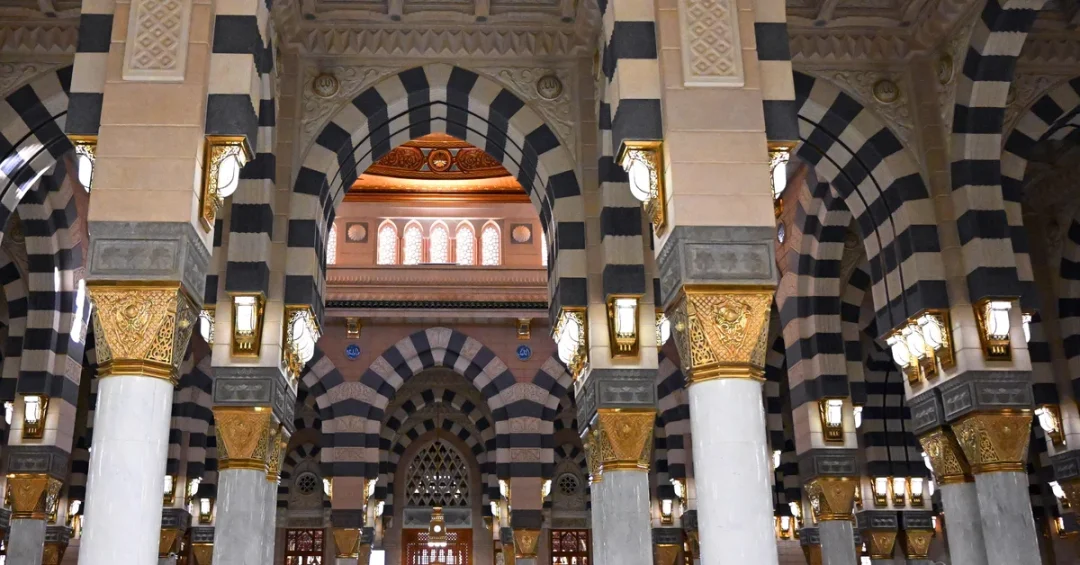
Madinah is witnessing a significant seasonal movement as it bids farewell to pilgrims departing for the annual Hajj pilgrimage while simultaneously welcoming visitors arriving for the Eid Al-Adha festivities. This dual flow reflects the city’s central role in Saudi Arabia’s religious tourism ecosystem, as confirmed by official statements from the Saudi Ministry of Hajj and Umrah and local municipal authorities. The coordinated operations underscore the Kingdom’s commitment to facilitating a smooth and spiritually enriching experience for millions of guests.
Context and Background
The annual Hajj pilgrimage, one of the largest religious gatherings in the world, draws millions of Muslims to the holy cities of Makkah and Madinah. This year, Madinah, which hosts the Prophet’s Mosque, serves as both a departure point for pilgrims heading to Makkah and a destination for those seeking to perform prayers and visit historic sites. The Saudi Ministry of Hajj and Umrah has implemented comprehensive logistics plans, including enhanced transportation, accommodation, and healthcare services, to manage the influx. The convergence of Hajj departures and Eid Al-Adha arrivals places Madinah at the heart of a carefully orchestrated seasonal rhythm that tests the capacity and efficiency of the Kingdom’s hospitality infrastructure.
Key Details
According to the Saudi Press Agency, local authorities in Madinah have activated an integrated operations room to monitor crowd movements and ensure service continuity. The Madinah Municipality has deployed additional sanitation teams, traffic management units, and emergency response personnel across the city’s main transit points, including the Prince Mohammed bin Abdulaziz International Airport and the Haramain High-Speed Railway Station. Dr. Fahad Al-Juhani, Director of the Madinah branch of the Ministry of Hajj and Umrah, emphasized that the city is equipped to handle peak flows, noting that over 1.5 million pilgrims have already been processed through the city’s facilities this season. The General Authority for the Care of the Two Holy Mosques continues to provide round-the-clock services at the Prophet’s Mosque, including expanded prayer areas and crowd guidance by trained volunteers.
Implications and Impact
This seasonal movement has broader implications for Saudi Arabia’s religious tourism strategy, which aims to attract 30 million Umrah and Hajj visitors annually by 2030. The smooth coordination between Hajj departures and Eid arrivals demonstrates the Kingdom’s growing operational expertise in managing mass gatherings. From a regional perspective, the influx of international visitors bolsters economic activity in Madinah’s hospitality, retail, and transport sectors. The Saudi Vision 2030 program explicitly identifies religious tourism as a key driver of economic diversification, tourism revenue, and cultural exchange. Successful management of such large-scale events enhances the Kingdom’s reputation as a reliable host for global religious gatherings and reinforces its leadership in the Muslim world.
Vision 2030 Alignment
The seamless handling of both departing pilgrims and incoming Eid visitors in Madinah is a tangible expression of the ambitious Saudi Vision 2030 objectives. By modernizing infrastructure, improving service quality, and expanding capacity at the Two Holy Mosques, the Kingdom is elevating the spiritual experience for millions while contributing to national economic goals. As Madinah continues to evolve as a global hub for Islamic heritage and hospitality, this dual seasonal flow highlights the city’s strategic importance in realizing a diversified, resilient, and globally connected Saudi Arabia. The coordinated effort reaffirms the Kingdom’s role as a custodian of the Islamic faith and a partner in shaping a prosperous future for the region.
Reader Feedback
We value your thoughts. Please share your feedback on this article.
Your feedback helps us improve our coverage.