


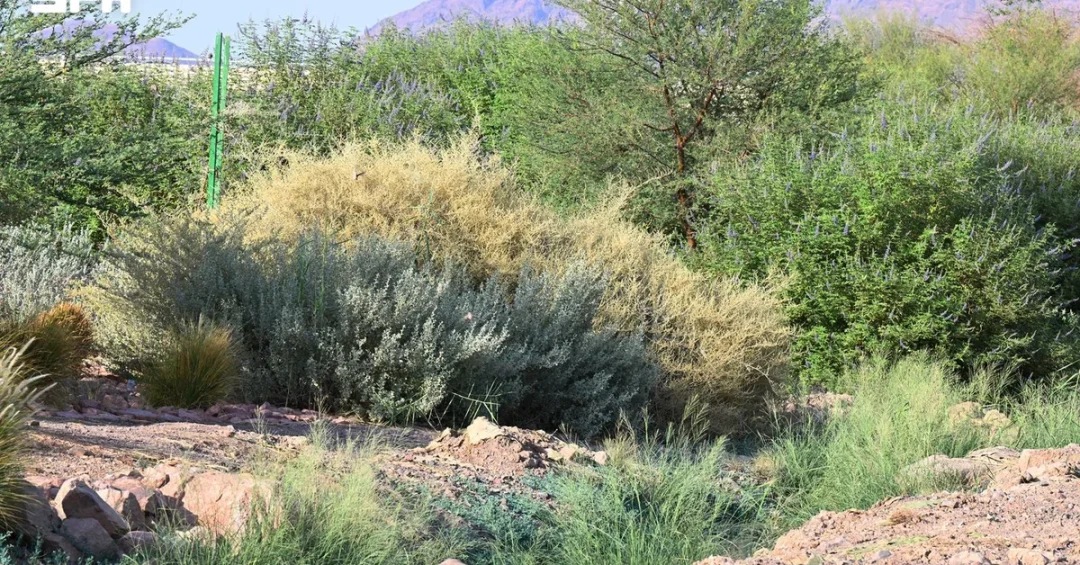
Madinah Region, renowned for its diverse natural landscapes, is home to a wide variety of native plant species that support ecological balance and biodiversity, as announced by the Saudi Press Agency (SPA) on July 19, 2026. These plants thrive in Madinah’s valleys, plains, lava fields, and highlands, contributing to environmental sustainability and aligning with Saudi Arabia’s broader ecological goals.
Context and Background
Madinah’s unique geography has fostered a rich botanical environment, with native plant species adapted to its varied terrains. These plants play a crucial role in maintaining ecological balance, supporting wildlife, reducing soil erosion, and enhancing environmental quality. This biodiversity is not only a natural asset but also a cornerstone of Saudi Arabia’s environmental development strategy.
Key Details
According to the Saudi Press Agency, Madinah’s natural landscapes host a variety of wild plants that contribute to the region’s ecological health. These plants are integral to the local ecosystem, providing habitats for wildlife and preventing soil degradation. The preservation of these species is part of the Kingdom’s ongoing efforts to protect vegetation and conserve natural resources.
Implications and Impact
The botanical richness of Madinah has significant implications for environmental sustainability and biodiversity conservation. By protecting these native species, Saudi Arabia is enhancing its natural heritage and contributing to global ecological efforts. This initiative also supports the Kingdom’s commitment to sustainable development and environmental stewardship.
Vision 2030 Alignment
The conservation of Madinah’s botanical resources aligns with Saudi Arabia’s Vision 2030, which emphasizes environmental sustainability and the protection of natural resources. By preserving its native plant species, the Kingdom is advancing its goals of ecological balance and sustainable development, reinforcing its role as a global leader in environmental conservation.
20 Questions
Q1. What makes Madinah’s natural landscapes unique?
A1. Madinah’s landscapes are unique due to their diverse terrains, including valleys, plains, lava fields, and highlands, which support a wide variety of native plant species.
Q2. How do native plants contribute to ecological balance?
A2. Native plants maintain ecological balance by supporting wildlife, reducing soil erosion, and enhancing overall environmental quality.
Q3. What role do plants play in soil erosion prevention?
A3. Plants help prevent soil erosion by stabilizing the soil with their root systems and reducing the impact of wind and water.
Q4. Why is biodiversity important for environmental sustainability?
A4. Biodiversity ensures ecosystem resilience, supports natural processes, and provides essential services like clean air and water.
Q5. How does Madinah’s botanical richness support wildlife?
A5. Madinah’s botanical richness provides habitats and food sources for various wildlife species, promoting biodiversity.
Q6. What are Saudi Arabia’s environmental development goals?
A6. Saudi Arabia aims to protect vegetation, conserve natural resources, and promote sustainable environmental practices.
Q7. How does conserving native plants benefit the environment?
A7. Conserving native plants enhances environmental quality, supports biodiversity, and maintains ecological balance.
Q8. What are the key features of Madinah’s ecosystems?
A8. Madinah’s ecosystems feature diverse plant species adapted to its valleys, plains, lava fields, and highlands.
Q9. How does Saudi Arabia protect its natural resources?
A9. Saudi Arabia protects its natural resources through conservation initiatives, sustainable practices, and environmental policies.
Q10. What is the significance of Madinah’s natural heritage?
A10. Madinah’s natural heritage is significant for its ecological value, supporting biodiversity and environmental sustainability.
Q11. How does Vision 2030 address environmental sustainability?
A11. Vision 2030 emphasizes sustainable development, conservation of natural resources, and ecological balance.
Q12. What are the challenges in conserving native plant species?
A12. Challenges include habitat loss, climate change, and the need for effective conservation strategies.
Q13. How does Madinah’s biodiversity contribute to global ecological efforts?
A13. Madinah’s biodiversity supports global ecological efforts by maintaining healthy ecosystems and providing natural habitats.
Q14. What initiatives are in place to protect Madinah’s vegetation?
A14. Initiatives include conservation programs, sustainable land management, and public awareness campaigns.
Q15. How does Saudi Arabia promote environmental stewardship?
A15. Saudi Arabia promotes environmental stewardship through policies, conservation projects, and international collaborations.
Q16. What are the benefits of preserving natural landscapes?
A16. Preserving natural landscapes enhances biodiversity, supports ecosystem services, and promotes environmental health.
Q17. How does Madinah’s environment align with Saudi Arabia’s ecological goals?
A17. Madinah’s environment aligns with Saudi Arabia’s ecological goals by supporting biodiversity and sustainable practices.
Q18. What is the role of Vision 2030 in environmental conservation?
A18. Vision 2030 guides Saudi Arabia’s environmental conservation efforts, focusing on sustainability and resource protection.
Q19. How does Madinah’s botanical richness enhance its natural landscape?
A19. Madinah’s botanical richness enhances its natural landscape by providing diverse plant species and supporting ecological health.
Q20. What future steps can enhance Madinah’s biodiversity?
A20. Future steps include expanding conservation programs, increasing public awareness, and implementing sustainable practices.
Reader Feedback
We value your thoughts. Please share your feedback on this article.
Your feedback helps us improve our coverage.