


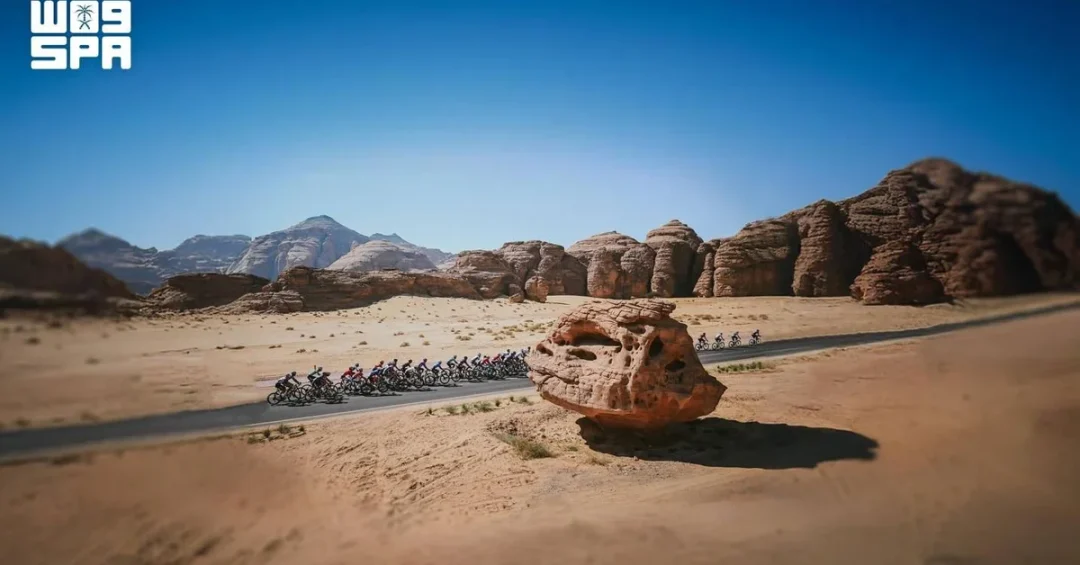
AlUla Governorate has established itself as a premier cycling destination with a 68-kilometer network of dedicated routes traversing its stunning natural landscapes and UNESCO-listed heritage sites. The Royal Commission for AlUla (RCU) developed these routes to promote active lifestyles and sustainable tourism, aligning with Saudi Arabia’s Vision 2030 goals of enhancing quality of life and diversifying the economy.
Context and Background
AlUla, a region rich in cultural heritage and natural beauty, has strategically positioned itself as a hub for sports tourism. The cycling routes, part of a broader initiative to develop world-class infrastructure, allow visitors to explore historical landmarks like Hegra, Saudi Arabia’s first UNESCO World Heritage Site, while enjoying outdoor activities. This development reflects Saudi Arabia’s commitment to creating unique visitor experiences that blend adventure with cultural immersion.
Key Details
The 68-kilometer network includes routes for all skill levels, from professional cyclists to families. Notable paths include the Harrat Uwayrid route, offering panoramic valley views, and the Oasis route, which winds through palm farms to Old Town. The routes also host international competitions like the AlUla Tour, attracting elite cyclists globally. Visitors can experience sections of these professional race routes at their own pace.
Implications and Impact
This cycling infrastructure significantly boosts AlUla’s tourism appeal, positioning it as a year-round destination. By combining sports with heritage exploration, Saudi Arabia showcases its ability to develop innovative tourism products that cater to diverse interests. The project also demonstrates how sustainable mobility solutions can enhance visitor experiences while preserving cultural and natural assets.
Vision 2030 Alignment
The cycling routes exemplify Saudi Arabia’s Vision 2030 objectives by promoting healthy lifestyles, sustainable tourism, and economic diversification. As AlUla continues to develop its offerings, it strengthens Saudi Arabia’s position as a global tourism leader while preserving its cultural heritage for future generations. This initiative represents how Vision 2030 is transforming Saudi Arabia’s recreational and tourism landscape.
20 Questions
Q1. How long is AlUla’s cycling route network?
A1. AlUla offers a 68-kilometer network of dedicated cycling routes, catering to all skill levels from beginners to professional cyclists.
Q2. What makes AlUla’s cycling routes unique?
A2. The routes combine natural terrain with access to UNESCO World Heritage sites like Hegra, offering both athletic challenges and cultural experiences.
Q3. Can beginners use AlUla’s cycling routes?
A3. Yes, the network includes routes designed for all levels, with family-friendly options and beginner-friendly paths available.
Q4. What international cycling event takes place in AlUla?
A4. The AlUla Tour is an international professional cycling race that utilizes sections of these routes, attracting elite cyclists worldwide.
Q5. Which heritage sites can cyclists visit?
A5. Cyclists can explore Hegra (Saudi Arabia’s first UNESCO site), Old Town, and various ancient rock formations along the routes.
Q6. Are there guided cycling tours available?
A6. Yes, AlUla offers both self-guided and professionally guided cycling experiences to accommodate different preferences.
Q7. What is the Harrat Uwayrid route known for?
A7. This route features panoramic views of AlUla’s valleys and stunning geological formations, offering a challenging ride for experienced cyclists.
Q8. How does cycling support Vision 2030?
A8. The routes promote active lifestyles, sustainable tourism, and economic diversification – all key Vision 2030 objectives.
Q9. Can visitors ride professional race routes?
A9. Yes, sections of professional race routes are accessible to the public, allowing enthusiasts to experience competition-level cycling.
Q10. What is the Oasis route like?
A10. This tranquil path winds through palm farms leading to Old Town, offering a more relaxed cycling experience through agricultural landscapes.
Q11. Who developed AlUla’s cycling infrastructure?
A11. The Royal Commission for AlUla (RCU) developed the cycling network as part of AlUla’s comprehensive development plan.
Q12. How does cycling benefit AlUla’s tourism?
A12. The routes attract cycling enthusiasts year-round while showcasing AlUla’s heritage, increasing visitor numbers and length of stay.
Q13. Are the cycling routes environmentally sustainable?
A13. Yes, the network promotes eco-friendly mobility while minimizing environmental impact on sensitive heritage and natural areas.
Q14. What facilities support the cycling routes?
A14. The network includes wayfinding signage, rest areas, and connections to AlUla’s broader tourism infrastructure and services.
Q15. How does this project preserve cultural heritage?
A15. By incorporating heritage sites into the routes, the project raises awareness while ensuring sensitive areas are protected through careful design.
Q16. Can cyclists access multiple heritage sites in one ride?
A16. Yes, the interconnected routes allow cyclists to visit multiple significant sites during a single cycling excursion.
Q17. What types of terrain do the routes cover?
A17. The network includes valley routes, oasis paths, and heritage trails, offering diverse terrain from challenging to leisurely.
Q18. How does this initiative benefit local communities?
A18. It creates tourism-related employment opportunities while encouraging healthy lifestyles among residents through accessible cycling infrastructure.
Q19. Where can visitors get more information?
A19. Complete details are available at AlUla’s official tourism website: experiencealula.com.
Q20. What future developments are planned?
A20. While specific plans aren’t disclosed, RCU continues expanding AlUla’s offerings to establish it as a world-leading destination for sports and cultural tourism.
Reader Feedback
We value your thoughts. Please share your feedback on this article.
Your feedback helps us improve our coverage.