


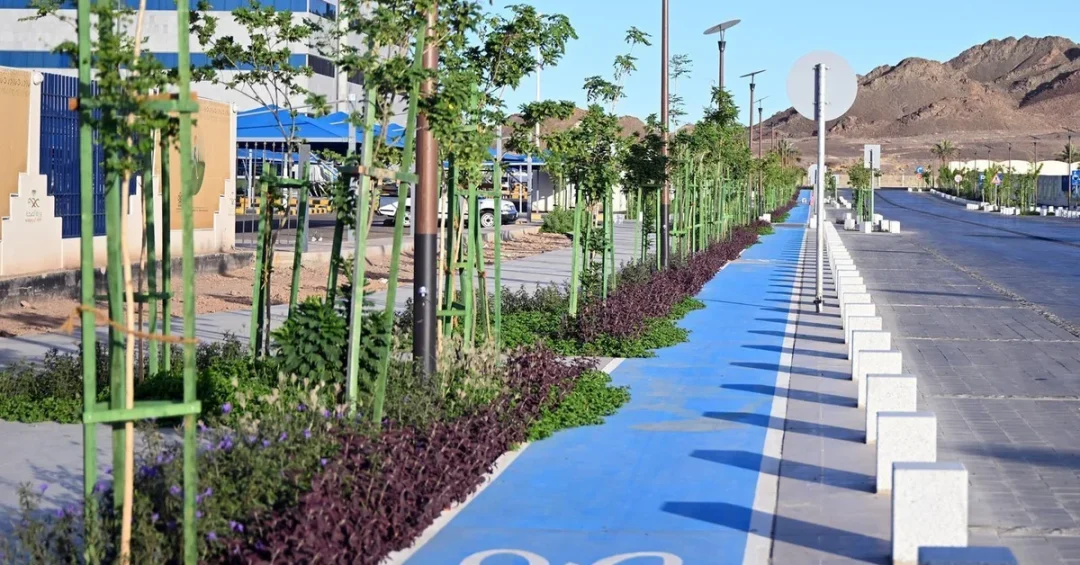
Madinah is significantly expanding its sustainable mobility infrastructure with the addition of over 220 kilometers of dedicated bicycle lanes and 165 bicycle stations across the city, as announced by the Madinah Region Development Authority. This initiative aims to provide residents and visitors with eco-friendly transport options while supporting Saudi Arabia’s broader environmental and health objectives under Vision 2030.
Context and Background
The expansion of Madinah’s bicycle network is part of a larger effort to promote sustainable urban mobility in Saudi Arabia. The project, supervised by the Madinah Region Development Authority and operated by a specialized national company, aligns with global trends toward reducing carbon emissions and encouraging healthier lifestyles. The initiative also complements the city’s public transport network, offering flexible and efficient alternatives for short-distance travel.
Key Details
The newly developed network includes more than 165 bicycle stations strategically located across Madinah’s neighborhoods and key public areas. These stations are supported by over 220 kilometers of dedicated cycling lanes, ensuring safe and convenient access for cyclists. The project not only reduces traffic congestion but also promotes physical activity and environmental sustainability.
Implications and Impact
The expansion of Madinah’s bicycle network is expected to have significant regional and international implications. By reducing carbon emissions and traffic congestion, the initiative positions Madinah as a leader in sustainable urban development. It also enhances the city’s appeal to tourists, offering them a green and healthy way to explore its cultural and historical sites.
Vision 2030 Alignment
This initiative directly supports Saudi Arabia’s Vision 2030 goals of building a sustainable and vibrant society. By investing in eco-friendly transport solutions, Madinah is contributing to the Kingdom’s objectives of reducing carbon emissions, improving public health, and enhancing quality of life for its residents and visitors.
20 Questions
Q1. What is the purpose of Madinah’s expanded bicycle network?
A1. The network aims to provide eco-friendly transport options, reduce carbon emissions, promote healthy lifestyles, and ease traffic congestion.
Q2. How many bicycle stations are included in the network?
A2. There are over 165 bicycle stations across Madinah.
Q3. How many kilometers of cycling lanes have been added?
A3. More than 220 kilometers of dedicated cycling lanes have been developed.
Q4. Who is supervising the bicycle network project?
A4. The Madinah Region Development Authority is supervising the project.
Q5. Which company operates the bicycle stations?
A5. A specialized national company operates the stations under the authority’s supervision.
Q6. How does the bicycle network complement public transport?
A6. It offers flexible and efficient alternatives for short-distance travel, integrating with the public transport system.
Q7. What are the environmental benefits of the bicycle network?
A7. The network reduces carbon emissions and promotes sustainable urban mobility.
Q8. How does the project support healthy lifestyles?
A8. By encouraging cycling, the project promotes physical activity and overall well-being.
Q9. What areas of Madinah are covered by the bicycle network?
A9. The network spans most neighborhoods and key public areas across the city.
Q10. How does the initiative impact traffic congestion?
A10. By providing alternative transport options, the network helps reduce the number of vehicles on the road.
Q11. What role does Vision 2030 play in this project?
A11. The project aligns with Vision 2030 goals of sustainability, improved quality of life, and reduced carbon emissions.
Q12. How does the bicycle network enhance tourism in Madinah?
A12. It offers tourists a green and healthy way to explore the city’s cultural and historical sites.
Q13. What makes Madinah’s bicycle network unique?
A13. Its extensive coverage, integration with public transport, and focus on sustainability set it apart.
Q14. How are the bicycle stations maintained?
A14. They are maintained by the specialized national company under the authority’s supervision.
Q15. What safety measures are in place for cyclists?
A15. Dedicated cycling lanes ensure safe and convenient access for cyclists.
Q16. How does the project contribute to Saudi Arabia’s environmental goals?
A16. It supports the Kingdom’s efforts to reduce carbon emissions and promote sustainable development.
Q17. What future expansions are planned for the bicycle network?
A17. Further expansions may include additional stations and lanes to cover more areas.
Q18. How can residents and visitors access the bicycle stations?
A18. Stations are strategically located for easy access across the city.
Q19. What feedback has been received about the bicycle network?
A19. Positive feedback highlights its convenience, environmental benefits, and contribution to healthier lifestyles.
Q20. How does the project reflect Saudi Arabia’s modernization efforts?
A20. It showcases the Kingdom’s commitment to innovative and sustainable urban development under Vision 2030.
Reader Feedback
We value your thoughts. Please share your feedback on this article.
Your feedback helps us improve our coverage.