


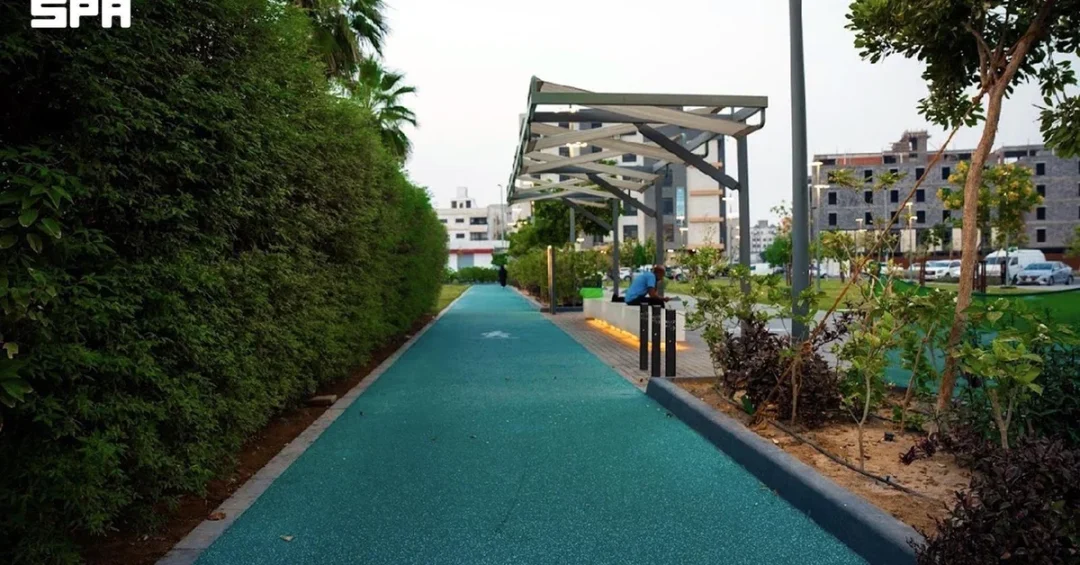
Jeddah Municipality is advancing quality of life initiatives with new parks, public spaces, and walking tracks designed to international standards, aligning with Saudi Vision 2030’s goal of creating vibrant, sustainable cities. These projects aim to provide safe, accessible environments for recreation and physical activity, catering to all segments of society.
Context and Background
Jeddah, a key urban center in Saudi Arabia, is undergoing significant transformations under Saudi Vision 2030 to enhance livability and promote healthy lifestyles. The development of parks and walking tracks is part of a broader strategy to improve urban infrastructure and public health. These initiatives reflect the Kingdom’s commitment to fostering community well-being and environmental sustainability.
Key Details
According to Mohammed bin Obaid Al-Bogami, official spokesman for Jeddah Municipality, the walking tracks are engineered to meet universal design standards, ensuring accessibility for all, including wheelchair users and older adults. Features include wide pathways, adequate lighting, seating areas, waste bins, shaded sections, and dedicated bicycle lanes. These elements collectively enhance safety, comfort, and usability.
Implications and Impact
The projects are expected to boost public health by encouraging physical activity and social interaction. They also align with global urban development trends that prioritize green spaces and pedestrian-friendly infrastructure. Internationally, such initiatives position Jeddah as a forward-thinking city committed to sustainable urban living and inclusive design.
Vision 2030 Alignment
These developments directly support Saudi Vision 2030’s objectives of improving quality of life and building sustainable cities. By investing in public spaces that promote active lifestyles, Jeddah is contributing to the Kingdom’s broader goals of economic diversification, social enrichment, and environmental stewardship.
20 Questions
Q1. What is the purpose of Jeddah’s new parks and walking tracks?
A1. The projects aim to provide safe, accessible environments for recreation and physical activity, aligning with Saudi Vision 2030’s goal of creating vibrant, sustainable cities.
Q2. Who oversees these developments?
A2. Jeddah Municipality, led by spokesman Mohammed bin Obaid Al-Bogami, is responsible for these initiatives.
Q3. What standards guide the design of the walking tracks?
A3. The tracks adhere to universal design standards, ensuring accessibility for all, including wheelchair users and older adults.
Q4. What features are included in the walking tracks?
A4. Features include wide pathways, lighting, seating, waste bins, shaded sections, and bicycle lanes.
Q5. How do these projects benefit public health?
A5. They encourage physical activity and social interaction, contributing to overall community well-being.
Q6. What segment of society is specifically catered to in these designs?
A6. The designs cater to all, including people with disabilities and older adults.
Q7. How do these projects align with global urban trends?
A7. They reflect global priorities like green spaces and pedestrian-friendly infrastructure.
Q8. What role does lighting play in these projects?
A8. Adequate lighting ensures safety and usability during evening hours.
Q9. Why are shaded sections important?
A9. Shaded areas provide comfort and protection from the sun, enhancing user experience.
Q10. How do bicycle lanes contribute to the projects?
A10. Dedicated bicycle lanes promote alternative transportation and physical activity.
Q11. What is the significance of seating areas?
A11. Seating areas offer rest spots, making the spaces more accessible and enjoyable.
Q12. How does waste management feature in these projects?
A12. Waste bins are strategically placed to maintain cleanliness and hygiene.
Q13. What is the broader goal of Saudi Vision 2030 in relation to these projects?
A13. The goal is to improve quality of life and build sustainable cities.
Q14. How does Jeddah’s initiative compare to international standards?
A14. The projects meet or exceed global benchmarks for inclusive urban design.
Q15. What economic benefits might these projects bring?
A15. Enhanced public spaces can boost local tourism and community engagement.
Q16. How do these projects support environmental sustainability?
A16. Green spaces and pedestrian-friendly designs reduce carbon footprints and promote eco-friendly lifestyles.
Q17. What is the expected social impact of these developments?
A17. They foster community interaction and improve mental and physical health.
Q18. How are people with disabilities accommodated?
A18. Universal design standards ensure accessibility for wheelchair users and others with mobility challenges.
Q19. What future developments can be expected in Jeddah?
A19. Continued investments in urban infrastructure and public spaces are anticipated under Vision 2030.
Q20. How do these projects reflect Saudi Arabia’s global role?
A20. They showcase the Kingdom’s commitment to sustainable development and inclusive urban planning on the world stage.
Reader Feedback
We value your thoughts. Please share your feedback on this article.
Your feedback helps us improve our coverage.