


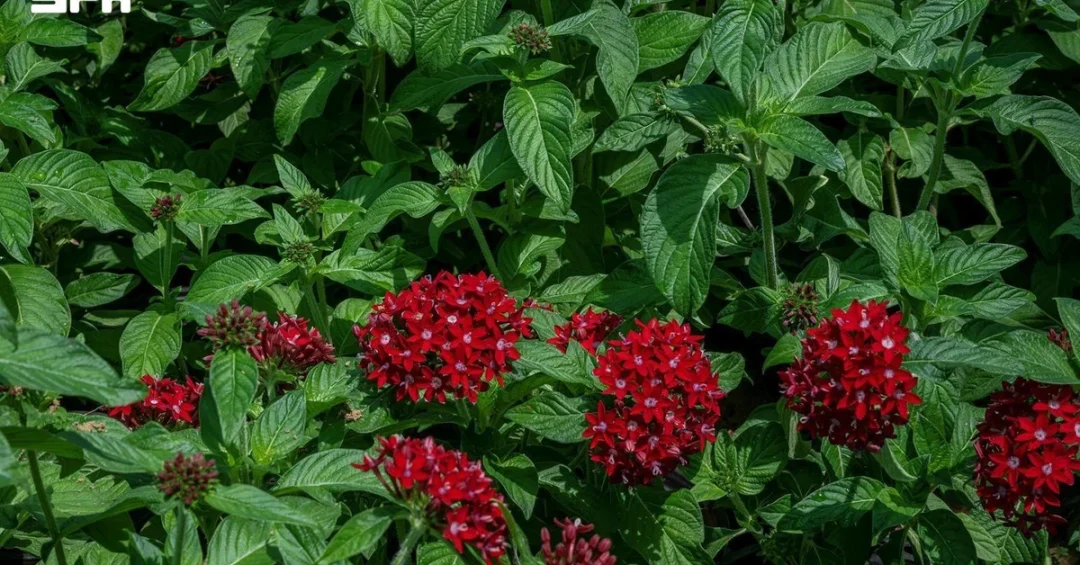
Residents of Najran are increasingly cultivating aromatic plants in their home gardens, enhancing both the beauty and environmental value of their surroundings, according to the Saudi Press Agency (SPA). The region’s favorable climate and fertile soil provide ideal conditions for growing a diverse range of fragrant plants, contributing to biodiversity and promoting sustainable gardening practices.
Context and Background
Najran, known for its unique climate and agricultural heritage, has long been a hub for cultivating aromatic plants. These plants not only add aesthetic appeal to home gardens but also play a crucial role in environmental conservation. The Saudi government has been actively encouraging sustainable practices as part of its broader Vision 2030 goals, which emphasize environmental sustainability and quality of life improvements.
Key Details
Among the most popular aromatic plants in Najran are basil, mint, rosemary, and thyme, all of which thrive in the region’s warm climate. Additionally, sweet basil, jasmine, and cactus are commonly grown, adding to the region’s rich biodiversity. These plants are valued not only for their pleasant fragrances but also for their resilience and low maintenance requirements.
Implications and Impact
The cultivation of aromatic plants in Najran aligns with global trends toward sustainable living and environmental stewardship. By fostering home gardening, residents are contributing to the preservation of local flora and promoting a culture of self-sufficiency. This initiative also supports Saudi Arabia’s Vision 2030 by encouraging eco-friendly practices and enhancing the quality of urban and rural landscapes.
Vision 2030 Alignment
The growing interest in aromatic plants in Najran reflects Saudi Arabia’s commitment to environmental sustainability under Vision 2030. By integrating natural beauty into everyday life, the Kingdom is fostering a greener future while preserving its rich agricultural heritage. This initiative not only benefits local communities but also positions Saudi Arabia as a leader in sustainable development.
20 Questions
Q1. What types of aromatic plants are commonly grown in Najran?
A1. Najran residents commonly grow basil, mint, rosemary, thyme, sweet basil, jasmine, and cactus due to their adaptability to the region’s climate.
Q2. Why are aromatic plants popular in Najran?
A2. Aromatic plants are popular for their pleasant fragrances, low maintenance, and ability to enhance garden aesthetics and biodiversity.
Q3. How does Najran’s climate support aromatic plant cultivation?
A3. Najran’s warm climate and fertile soil create ideal conditions for aromatic plants, many of which are heat-tolerant and thrive in the region.
Q4. What environmental benefits do aromatic plants provide?
A4. Aromatic plants contribute to biodiversity, improve air quality, and support sustainable gardening practices.
Q5. How does home gardening align with Saudi Arabia’s Vision 2030?
A5. Home gardening promotes environmental sustainability, self-sufficiency, and improved quality of life, key goals of Vision 2030.
Q6. What role does the Saudi government play in promoting aromatic plants?
A6. The Saudi government encourages sustainable practices, including home gardening, as part of its Vision 2030 initiatives.
Q7. Are aromatic plants in Najran used for purposes other than decoration?
A7. Yes, many aromatic plants are also used in cooking, traditional medicine, and cultural practices.
Q8. How do aromatic plants enhance the beauty of home gardens?
A8. Their vibrant colors, pleasant fragrances, and varied textures add visual and sensory appeal to gardens.
Q9. What makes Najran’s soil suitable for aromatic plants?
A9. Najran’s fertile soil, rich in nutrients, provides an excellent foundation for the growth of diverse plant species.
Q10. How does cultivating aromatic plants support biodiversity?
A10. By growing a variety of plants, residents help preserve local flora and create habitats for pollinators and other wildlife.
Q11. What are the economic benefits of growing aromatic plants?
A11. Aromatic plants can reduce household expenses by providing fresh herbs and may also create opportunities for local trade.
Q12. How do aromatic plants contribute to mental well-being?
A12. Their fragrances are known to have calming effects, and gardening itself is a therapeutic activity.
Q13. What challenges do gardeners face when growing aromatic plants in Najran?
A13. Challenges may include water scarcity and extreme heat, but many aromatic plants are drought-resistant.
Q14. How can beginners start growing aromatic plants at home?
A14. Beginners can start with low-maintenance plants like mint or basil, ensuring proper sunlight and watering.
Q15. What cultural significance do aromatic plants hold in Najran?
A15. Aromatic plants are deeply rooted in local traditions, used in cooking, ceremonies, and natural remedies.
Q16. How does Najran’s agricultural heritage influence modern gardening practices?
A16. Traditional knowledge of plant cultivation continues to inform modern gardening, blending heritage with innovation.
Q17. What future trends are expected in home gardening in Najran?
A17. Increased interest in sustainable living and organic gardening is likely to drive further growth in home gardening.
Q18. How do aromatic plants compare to ornamental plants in terms of care?
A18. Aromatic plants often require less care and are more resilient, making them ideal for home gardeners.
Q19. What resources are available for residents interested in gardening?
A19. Local nurseries, agricultural extension services, and online platforms offer guidance and supplies for aspiring gardeners.
Q20. How does Najran’s initiative reflect Saudi Arabia’s global environmental commitments?
A20. By promoting sustainable practices like home gardening, Najran contributes to Saudi Arabia’s broader goals of environmental conservation and climate action.
Reader Feedback
We value your thoughts. Please share your feedback on this article.
Your feedback helps us improve our coverage.