


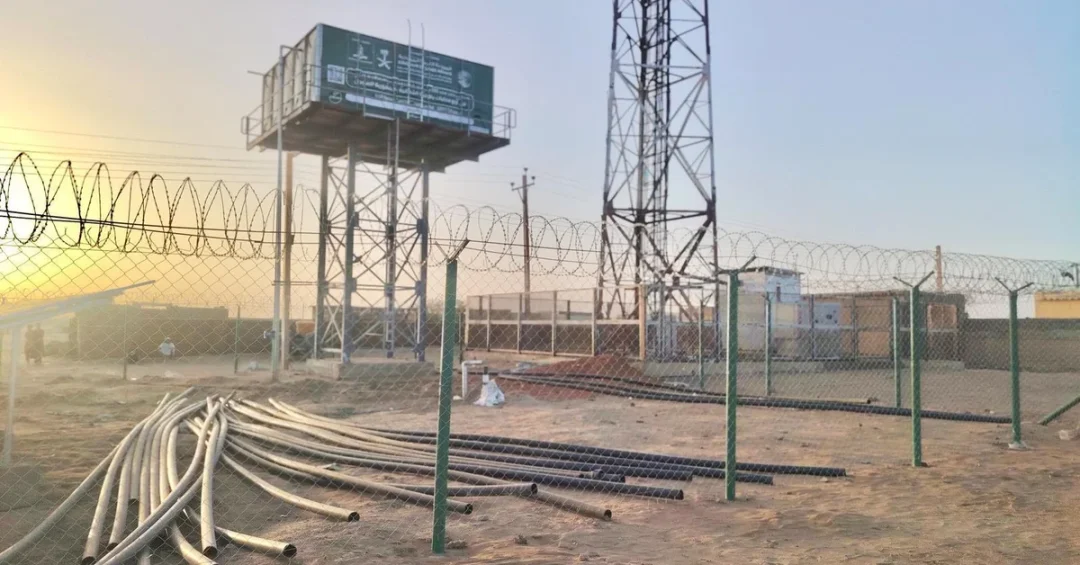
The King Salman Humanitarian Aid and Relief Center (KSrelief) has completed the construction of 15 solar-powered artesian wells in Sudan’s Northern State, providing sustainable water access to 150,000 people, including 75,000 children. The project, announced on July 22, 2026, is part of Saudi Arabia’s ongoing efforts to address water scarcity and improve living conditions in vulnerable communities across Sudan.
Context and Background
Sudan’s Northern State has faced significant challenges due to water scarcity, particularly in displacement-dense areas where access to clean water is limited. KSrelief, the humanitarian arm of Saudi Arabia, has prioritized water security as a key focus area in its international aid initiatives. This project aligns with the Kingdom’s commitment to supporting neighboring countries through sustainable development solutions.
Key Details
Each of the 15 solar-powered water stations includes a groundwater well, a submersible pump, a 50-cubic-meter water tank, and a protective fence built to international safety standards. The use of solar energy ensures environmental sustainability and reduces operational costs. These facilities are designed to provide safe drinking water while minimizing the risk of waterborne diseases.
Implications and Impact
The project is expected to significantly improve the quality of life for 150,000 beneficiaries by addressing immediate water needs and contributing to long-term water security. By reducing the time and effort required to access clean water, the initiative will particularly benefit women and children, who are often responsible for water collection in these communities.
Vision 2030 Alignment
This humanitarian initiative reflects Saudi Arabia’s Vision 2030 goals of strengthening international partnerships and positioning the Kingdom as a global leader in humanitarian aid. Through KSrelief, Saudi Arabia continues to demonstrate its commitment to addressing critical challenges in the region while fostering sustainable development and stability.
20 Questions
Q1. What is the name of the organization implementing the water well project in Sudan?
A1. The project is implemented by the King Salman Humanitarian Aid and Relief Center (KSrelief), Saudi Arabia’s leading humanitarian organization.
Q2. How many artesian wells were constructed in Sudan’s Northern State?
A2. KSrelief constructed 15 solar-powered artesian wells in displacement-dense areas of Sudan’s Northern State.
Q3. What is the primary purpose of these water stations?
A3. The stations provide safe, sustainable water sources to alleviate suffering caused by water scarcity and improve quality of life.
Q4. How many people will benefit from this project?
A4. Approximately 150,000 people, including 75,000 children, will benefit from improved water access.
Q5. What components does each water station include?
A5. Each station has a groundwater well, submersible pump, 50-cubic-meter water tank, and protective fence meeting international standards.
Q6. Why were solar panels used for these water stations?
A6. Solar power ensures environmental sustainability and reduces long-term operational costs for the communities.
Q7. How will this project impact public health in the region?
A7. By providing clean water, it will reduce waterborne diseases and improve overall community health.
Q8. What date was this project officially announced?
A8. The project was announced on July 22, 2026, through the Saudi Press Agency.
Q9. Which Sudanese state specifically benefits from this initiative?
A9. The Northern State of Sudan is the direct beneficiary of these water stations.
Q10. How does this project support Saudi Arabia’s international relations?
A10. It strengthens Saudi-Sudanese relations through humanitarian cooperation and sustainable development assistance.
Q11. What percentage of beneficiaries are children?
A11. Children represent 50% of beneficiaries, with 75,000 children among the 150,000 total beneficiaries.
Q12. How does this initiative address gender equality?
A12. By reducing water collection burdens, it particularly benefits women and girls who traditionally handle this task.
Q13. What international standards guide the project’s implementation?
A13. The water stations are built according to international safety and quality standards for water infrastructure.
Q14. How does this project contribute to Sudan’s development goals?
A14. It supports Sudan’s water sector development and meets basic needs outlined in its sustainable development plans.
Q15. What makes these water solutions sustainable long-term?
A15. Solar power and proper infrastructure maintenance ensure ongoing operation without excessive resource consumption.
Q16. How does KSrelief select locations for such projects?
A16. Locations are chosen based on need assessments, prioritizing areas with high vulnerability to water scarcity.
Q17. What other countries has KSrelief implemented similar water projects in?
A17. KSrelief has executed water projects in Yemen, Somalia, Pakistan, and other countries facing water challenges.
Q18. How does this align with Saudi Arabia’s humanitarian priorities?
A18. It reflects the Kingdom’s focus on addressing basic human needs and supporting neighboring countries.
Q19. What monitoring systems ensure project effectiveness?
A19. KSrelief implements monitoring mechanisms to track usage, maintenance needs, and community impact over time.
Q20. How can other organizations collaborate with KSrelief?
A20. Organizations can partner through official channels to co-implement humanitarian projects that align with KSrelief’s mission.
Reader Feedback
We value your thoughts. Please share your feedback on this article.
Your feedback helps us improve our coverage.