


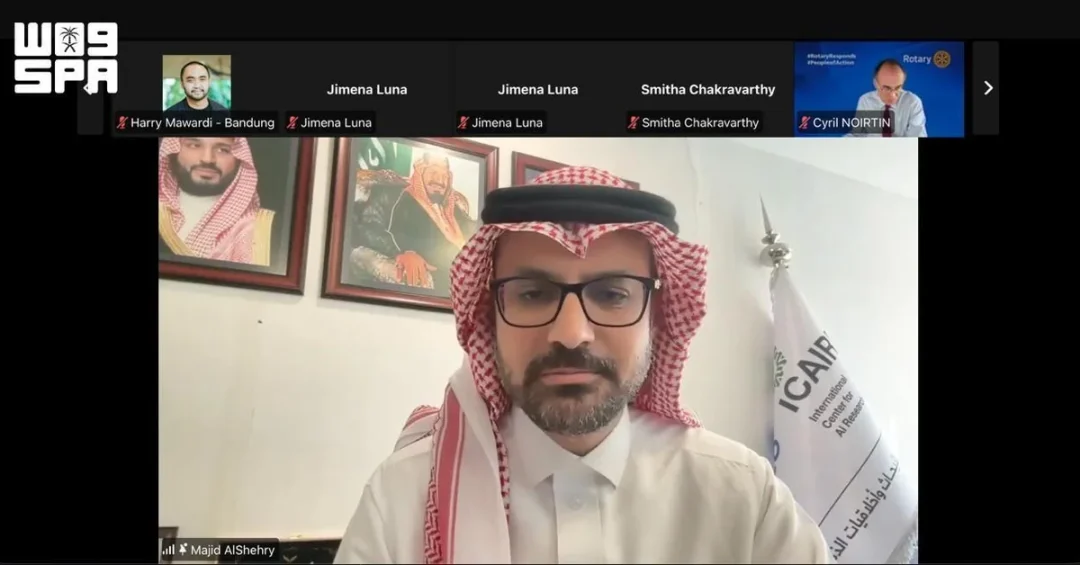
The International Center for Artificial Intelligence Research and Ethics (ICAIRE), a UNESCO-affiliated institution based in Riyadh, has called for a global shift from theoretical AI ethics frameworks to actionable implementation systems. The proposal was made during ICAIRE’s participation in a UNESCO meeting on AI and emerging technologies, emphasizing the need to embed ethical principles into all stages of AI development.
Context and Background
ICAIRE, operating under UNESCO’s auspices, plays a pivotal role in shaping global AI ethics discourse. The center’s latest initiative aligns with Saudi Arabia’s commitment to responsible technological advancement, as outlined in Vision 2030. The UNESCO meeting, inaugurated by Director-General Dr. Khaled El-Enany, gathered experts from Category II centers, universities, and research institutions worldwide to discuss ethical AI implementation.
Key Details
Dr. Majed Al-Shehri of ICAIRE highlighted the necessity of integrating ethical principles into scientific research, education, and public policy from AI’s earliest developmental stages. He stressed the importance of collaboration among UNESCO networks, governments, and private sectors to translate ethical guidelines into practical initiatives. ICAIRE’s approach focuses on capacity building, particularly for Global South countries, and bridging the gap between research and policymaking.
Implications and Impact
This initiative positions Saudi Arabia as a leader in global AI governance, reinforcing its role in international tech diplomacy. By advocating for practical ethical implementation, ICAIRE contributes to building trust in AI technologies worldwide. The proposal also supports UNESCO’s broader goals of ensuring equitable access to emerging technologies while mitigating potential risks associated with rapid AI advancement.
Vision 2030 Alignment
ICAIRE’s call for comprehensive AI ethics implementation directly supports Saudi Arabia’s Vision 2030 goals of technological leadership and international collaboration. As the Kingdom continues to diversify its economy through initiatives like NEOM and the National Strategy for Data and AI, establishing global ethical standards reinforces Saudi Arabia’s position as a responsible innovator in the Fourth Industrial Revolution.
20 Questions
Q1. What is ICAIRE’s primary focus?
A1. ICAIRE focuses on advancing artificial intelligence research while ensuring ethical implementation through global collaboration and policy development.
Q2. Where is ICAIRE headquartered?
A2. ICAIRE is based in Riyadh, Saudi Arabia, operating under UNESCO’s auspices as a Category II center.
Q3. What event prompted ICAIRE’s latest proposal?
A3. The proposal was made during UNESCO’s networks meeting on artificial intelligence and emerging technologies in July 2026.
Q4. Who inaugurated the UNESCO meeting?
A4. UNESCO Director-General Dr. Khaled El-Enany inaugurated the meeting that brought together global AI experts.
Q5. What does ICAIRE propose changing about AI ethics?
A5. ICAIRE advocates transitioning from theoretical ethical frameworks to practical implementation systems integrated throughout AI development.
Q6. How does this initiative benefit Global South countries?
A6. ICAIRE emphasizes capacity building and knowledge sharing to ensure equitable participation in ethical AI development worldwide.
Q7. What sectors does ICAIRE suggest should collaborate?
A7. The center recommends collaboration among governments, private sectors, academia, and civil society organizations.
Q8. How does this align with Saudi Arabia’s Vision 2030?
A8. It supports Vision 2030’s goals of technological leadership and international cooperation in emerging industries.
Q9. What is UNESCO’s role in this initiative?
A9. UNESCO provides the institutional framework and global network for implementing ethical AI principles worldwide.
Q10. Who represented ICAIRE at the meeting?
A10. Dr. Majed Al-Shehri represented ICAIRE, presenting the center’s vision for practical AI ethics implementation.
Q11. What are Category II centers under UNESCO?
A11. These are specialized institutions affiliated with UNESCO that contribute to its program objectives through research and capacity building.
Q12. How does this initiative affect AI developers?
A12. It encourages developers to integrate ethical considerations from the earliest stages of technology design and development.
Q13. What practical tools does ICAIRE propose?
A13. The center advocates for developing implementation guidelines, assessment frameworks, and capacity-building programs.
Q14. How does this differ from current AI ethics approaches?
A14. It moves beyond principle declaration to focus on operationalization and measurable implementation across sectors.
Q15. What is Saudi Arabia’s role in global AI governance?
A15. Through initiatives like ICAIRE, Saudi Arabia contributes leadership and resources to shape international AI ethics standards.
Q16. How will ethical principles be integrated into education?
A16. ICAIRE proposes incorporating AI ethics into STEM curricula and professional training programs worldwide.
Q17. What industries will this initiative impact most?
A17. Healthcare, education, finance, and government services will see significant impacts from ethical AI implementation.
Q18. How does this relate to NEOM’s development?
A18. NEOM’s smart city projects will benefit from and contribute to these global ethical AI standards.
Q19. What’s next for ICAIRE’s proposal?
A19. The center will work with UNESCO networks to develop implementation roadmaps and pilot programs.
Q20. How does this strengthen Saudi Arabia’s international position?
A20. By leading ethical AI development, Saudi Arabia enhances its reputation as a responsible technology innovator and global collaborator.
Reader Feedback
We value your thoughts. Please share your feedback on this article.
Your feedback helps us improve our coverage.