


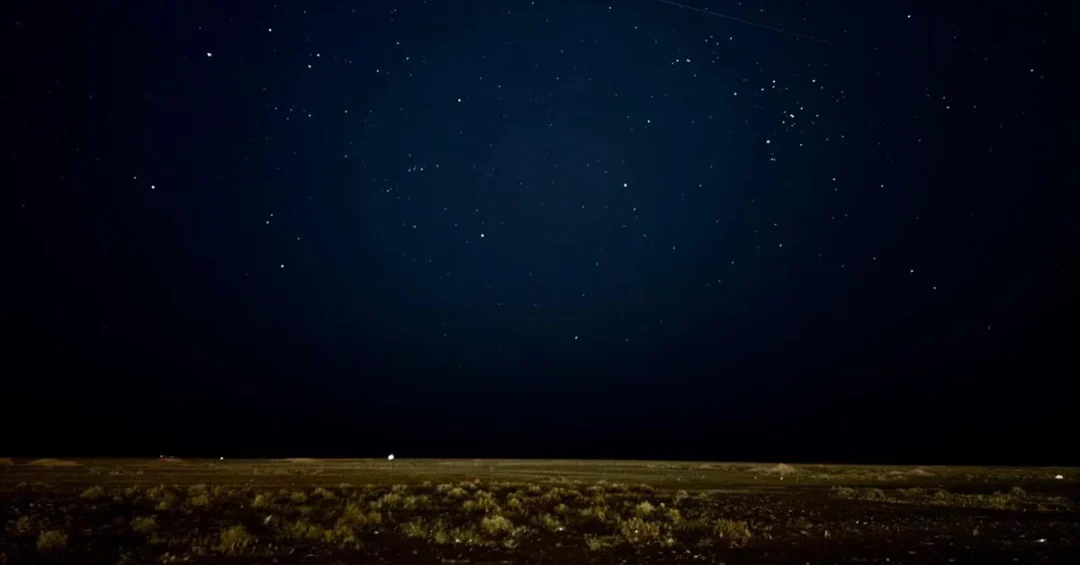
A rare astronomical event was witnessed in the skies above Rafha Governorate in the Northern Borders Region on July 22, 2026, as the Pleiades star cluster, the Hyades star cluster, the planet Mars, and the star Capella converged in a stunning celestial display. This remarkable event, observed with the naked eye, was reported by the Saudi Press Agency (SPA) and highlighted by Burjis Al-Faleeh, a member of the AFAQ Society for Astronomy. The convergence offered a unique opportunity for skywatchers to marvel at some of the most prominent celestial objects visible during clear summer nights.
Context and Background
The Pleiades, located in the constellation Taurus, is one of the most well-known open star clusters, easily identifiable by its concentration of bright stars. The Hyades, the closest open star cluster to Earth, appeared nearby, forming a broad stellar grouping. Mars, with its distinctive reddish hue, stood out as one of the most visually striking planets, while Capella, a bright star in the constellation Auriga, served as a guide for identifying constellations during observation nights.
Key Details
Burjis Al-Faleeh explained that such a convergence of celestial objects is rare and provides an excellent opportunity for astronomical observation. The Pleiades and Hyades are both prominent features in the night sky, often used as reference points for stargazers. Mars, during periods of favorable visibility, is a highlight for its vivid coloration, and Capella is renowned for its brightness and role in celestial navigation.
Implications and Impact
This astronomical event not only captivated local skywatchers but also underscored Saudi Arabia’s growing interest in astronomy and space science. Events like these contribute to public awareness and enthusiasm for scientific exploration, aligning with the Kingdom’s broader goals of fostering knowledge-based industries and inspiring future generations of scientists and astronomers.
Vision 2030 Alignment
The rare celestial convergence aligns with Saudi Arabia’s Vision 2030 ambitions, which emphasize the development of science, technology, and innovation. By promoting interest in astronomy and space exploration, the Kingdom is fostering a culture of curiosity and learning, paving the way for advancements in these fields and reinforcing its position as a leader in regional and global scientific endeavors.
20 Questions
Q1. What celestial objects were observed in Rafha?
A1. The Pleiades star cluster, the Hyades star cluster, the planet Mars, and the star Capella were observed.
Q2. When did the event occur?
A2. The event occurred on July 22, 2026.
Q3. Where was the event observed?
A3. It was observed in Rafha Governorate in the Northern Borders Region of Saudi Arabia.
Q4. Who reported the event?
A4. The event was reported by the Saudi Press Agency (SPA).
Q5. Who provided insights into the event?
A5. Burjis Al-Faleeh, a member of the AFAQ Society for Astronomy, provided insights.
Q6. What is the Pleiades?
A6. The Pleiades is an open star cluster located in the constellation Taurus, known for its concentration of bright stars.
Q7. What is the Hyades?
A7. The Hyades is the closest open star cluster to Earth, appearing as a broad stellar grouping near the Pleiades.
Q8. Why is Mars distinctive?
A8. Mars is distinctive due to its reddish hue, making it visually striking during periods of favorable visibility.
Q9. What is Capella?
A9. Capella is a bright star in the constellation Auriga, often used by astronomy enthusiasts to identify constellations.
Q10. Why is this convergence significant?
A10. This convergence is significant because it brings together several prominent celestial objects rarely seen together.
Q11. What does this event mean for Saudi Arabia?
A11. The event highlights Saudi Arabia’s growing interest in astronomy and space science, aligning with its Vision 2030 goals.
Q12. How does this event support Vision 2030?
A12. It supports Vision 2030 by fostering public interest in science and inspiring future generations of scientists and astronomers.
Q13. What role does astronomy play in Saudi Arabia?
A13. Astronomy plays a role in promoting scientific exploration and aligning with the Kingdom’s knowledge-based industry goals.
Q14. How can such events inspire the public?
A14. Such events inspire the public by increasing awareness and enthusiasm for astronomy and scientific discovery.
Q15. What are the Pleiades and Hyades used for?
A15. They are used as reference points for stargazers and astronomy enthusiasts.
Q16. What makes Mars visually striking?
A16. Mars is visually striking due to its reddish color, which is easily identifiable in the night sky.
Q17. How does Capella aid in celestial navigation?
A17. Capella aids in celestial navigation by serving as a bright marker for identifying constellations.
Q18. What is the AFAQ Society for Astronomy?
A18. The AFAQ Society for Astronomy is a group dedicated to promoting astronomical observation and education in Saudi Arabia.
Q19. Why are clear skies important for such events?
A19. Clear skies are important as they allow for optimal visibility of celestial objects with the naked eye.
Q20. What is the broader impact of this event?
A20. The broader impact is increased public interest in astronomy and alignment with Saudi Arabia’s scientific and Vision 2030 goals.
Reader Feedback
We value your thoughts. Please share your feedback on this article.
Your feedback helps us improve our coverage.