


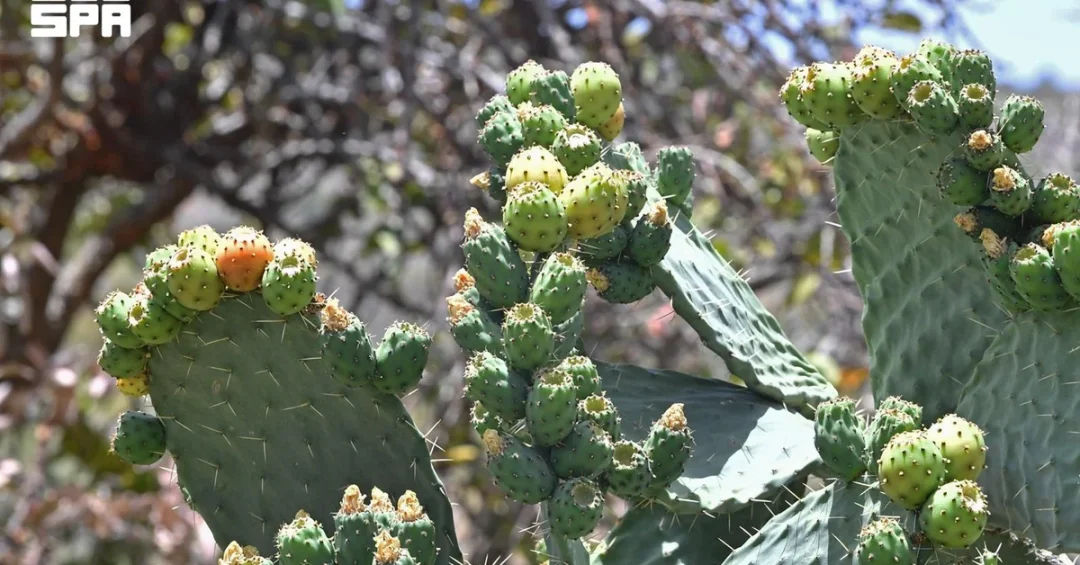
Prickly pear, locally known as “Barshomi,” has returned to markets and sales outlets near tourist sites and roads leading to parks in Aseer Region with the start of its harvest season, creating a seasonal scene that has become a notable feature of summer in the region, according to the Saudi Press Agency (SPA). The harvest, which begins in summer and continues into early autumn, offers a unique glimpse into the region’s agricultural heritage and its integration with tourism.
Context and Background
Aseer Region, located in the southwest of Saudi Arabia, is renowned for its diverse landscapes, from mountains to valleys, and its rich agricultural traditions. The Barshomi, a type of prickly pear cactus, thrives in this environment, adapting to the region’s terrain and climate. Agricultural researcher Eng. Hamed Al-Wad’i explained that prickly pear is a succulent plant in the cactus family, known for its ability to withstand dry conditions. He noted that it has several varieties that differ in fruit shape and color, ranging from green to yellow, orange, and red, as well as darker varieties.
Key Details
The Barshomi season is not just about the fruit; it is a cultural and economic event. Al-Wad’i stated that Aseer’s environment has contributed to the spread of prickly pear across slopes, valleys, and agricultural areas. Harvesting requires special care due to the fine spines surrounding the fruit, a skill passed down through generations. The season provides seasonal income for farmers and productive families, particularly in rural areas, benefiting from increased demand during the summer vacation. Sales outlets near tourist destinations help connect visitors with local agricultural products and introduce them to traditional farming practices.
Implications and Impact
The presence of Barshomi in markets and recreational areas strengthens the role of local agriculture in the tourism experience. It creates additional opportunities to market rural products and boosts economic activity in the region. The fruit becomes a symbol of Aseer’s agricultural and tourism landscape, with farms situated alongside villages and mountain roads. This integration of product quality, destination uniqueness, and visitor experience extends beyond sightseeing, offering tourists a taste of the land and its people’s produce.
Vision 2030 Alignment
The Barshomi season exemplifies Saudi Arabia’s Vision 2030 goals of diversifying the economy and enhancing the quality of life. By promoting local products and integrating them into the tourism sector, the Kingdom is fostering sustainable economic growth in rural areas. This initiative aligns with Vision 2030’s emphasis on preserving cultural heritage, supporting local communities, and showcasing Saudi Arabia’s natural and agricultural treasures to the world. As the season continues, it not only brings summer flavor to Aseer markets but also contributes to the Kingdom’s long-term vision of a vibrant society and a thriving economy.
20 Questions
Q1. What is Barshomi?
A1. Barshomi is the local name for prickly pear in Aseer Region, Saudi Arabia. It is a succulent plant in the cactus family, known for its ability to withstand dry conditions and produce colorful fruits.
Q2. When does the Barshomi season occur?
A2. The Barshomi season begins in summer and continues into early autumn. This timing aligns with the summer vacation, increasing demand from local and tourist visitors.
Q3. Where does Barshomi grow in Aseer?
A3. Barshomi grows across slopes, valleys, and agricultural areas in Aseer Region. The plant adapts well to the region’s terrain and climate, spreading naturally across the landscape.
Q4. What colors do Barshomi fruits come in?
A4. Barshomi fruits vary in color, ranging from green to yellow, orange, and red, as well as darker varieties. The diversity is due to different varieties of the plant.
Q5. Who explained the details about Barshomi?
A5. Agricultural researcher Eng. Hamed Al-Wad’i explained the characteristics of Barshomi. He provided insights into its growth, varieties, and economic importance in Aseer.
Q6. Why is Barshomi considered resilient?
A6. Barshomi is a succulent plant that can withstand dry conditions. This resilience makes it well-suited for Aseer’s environment, where it thrives with minimal water.
Q7. How is Barshomi harvested?
A7. Harvesting Barshomi requires special care because of the fine spines surrounding the fruit. Farmers use traditional techniques to avoid injury and ensure quality.
Q8. What economic benefits does the Barshomi season bring?
A8. The season provides seasonal income for farmers and productive families, especially in rural areas. Increased demand during summer vacation boosts sales and supports local economies.
Q9. How does Barshomi contribute to tourism?
A9. Barshomi sales outlets near tourist sites connect visitors with local agricultural products. It enhances the tourism experience by introducing traditional farming practices and local flavors.
Q10. What role does Aseer’s environment play in Barshomi growth?
A10. Aseer’s environment, including its terrain and climate, is conducive to Barshomi growth. The plant spreads across slopes and valleys, becoming part of the region’s agricultural landscape.
Q11. How does Barshomi support rural communities?
A11. Barshomi provides a source of income for farmers and productive families in rural areas. It helps sustain traditional farming lifestyles and promotes rural development.
Q12. What makes Barshomi a notable summer feature?
A12. The seasonal presence of Barshomi in markets and recreational areas creates a unique summer scene. It becomes a familiar product, symbolizing the region’s agricultural richness.
Q13. How does Barshomi enhance the tourism experience?
A13. Barshomi extends the tourism experience beyond sightseeing. Visitors can discover the land’s produce and traditional practices, adding depth to their trip.
Q14. What is the significance of Barshomi in Aseer’s culture?
A14. Barshomi is part of Aseer’s agricultural heritage, passed down through generations. It reflects traditional farming practices and the region’s connection to the land.
Q15. How does Barshomi align with Vision 2030?
A15. Barshomi supports Vision 2030 by promoting local products and tourism diversification. It contributes to economic growth, cultural preservation, and quality of life enhancement.
Q16. What challenges exist in Barshomi harvesting?
A16. The main challenge is the fine spines surrounding the fruit, which require careful handling. Farmers must use special techniques to avoid injury during harvest.
Q17. Where can tourists find Barshomi in Aseer?
A17. Tourists can find Barshomi at markets and sales outlets near tourist sites and roads leading to parks. These locations are strategically placed to attract visitors.
Q18. How does Barshomi marketing help local farmers?
A18. Marketing Barshomi through sales outlets increases visibility and demand. This helps farmers earn better incomes and promotes rural products to a wider audience.
Q19. What does Barshomi symbolize for Aseer?
A19. Barshomi symbolizes Aseer’s agricultural and tourism landscape. It represents the region’s natural resources, traditional practices, and its role in the tourism experience.
Q20. What is the future outlook for Barshomi season?
A20. As Saudi Arabia promotes tourism and local products under Vision 2030, the Barshomi season is expected to grow in popularity. It will likely attract more visitors and support sustainable rural development.
Reader Feedback
We value your thoughts. Please share your feedback on this article.
Your feedback helps us improve our coverage.