


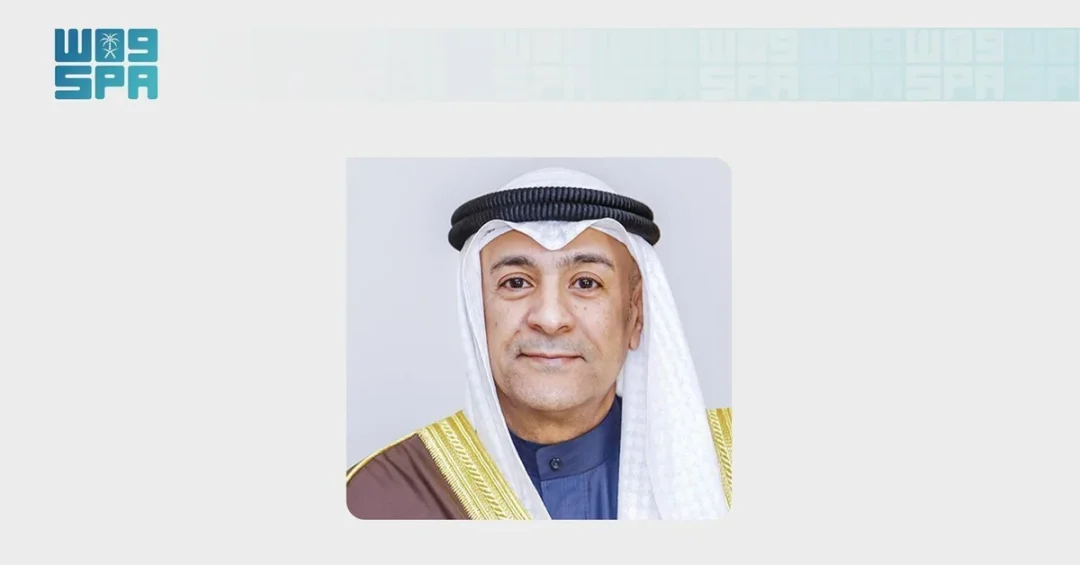
Gulf Cooperation Council (GCC) Secretary-General Jasem Albudaiwi underscored the collective commitment of GCC member states to enhance national capabilities in combating money laundering and terrorist financing during an introductory workshop held today at the General Secretariat headquarters in Riyadh. The workshop, centered on international best practices, was announced via official Saudi channels including the Saudi Press Agency (SPA), reinforcing the region’s proactive approach to financial integrity and regulatory excellence.
Context and Background
The event comes at a pivotal moment as the GCC states prepare for the fifth round of Mutual Evaluations conducted by the Financial Action Task Force (FATF). These evaluations demand rigorous coordination and a precise understanding of evolving global standards. Secretary-General Albudaiwi emphasized that protecting financial systems from abuse is fundamental to economic stability and the fight against criminal networks. His remarks highlighted the collective determination of the six member nations to align their regulatory frameworks with international benchmarks.
Key Details
In his speech, Albudaiwi stated: “Combating money laundering and terrorist financing constitutes a fundamental pillar for protecting the integrity of financial systems, bolstering economic stability, and confronting criminal activities and their funding sources.” He detailed the General Secretariat’s essential role in fostering Gulf coordination by representing member states in the FATF and the Middle East and North Africa Financial Action Task Force (MENAFATF). This representation includes monitoring global developments and facilitating the transfer of expertise among member nations.
Implications and Impact
The workshop serves as a critical platform for knowledge exchange, allowing GCC states to align their strategies and elevate preparedness for international assessments. By unifying understanding and cementing coordination among relevant entities, the initiative strengthens regional resilience against financial crimes. This collaborative approach not only safeguards domestic economies but also enhances the Gulf’s credibility as a global financial hub, supporting secure cross-border investments and international partnerships.
Vision 2030 Alignment
This initiative directly supports Saudi Arabia’s Vision 2030 agenda, which prioritizes economic diversification and a robust, transparent financial sector. By aligning with FATF standards, the GCC states—led by the Kingdom—are reinforcing their commitment to global best practices, attracting foreign investment, and fostering a stable business environment. The forward-looking strategy ensures that Gulf financial systems remain secure and ready to support ambitious national development projects, driving sustainable growth for years to come.
20 Questions
Q1. What is the primary purpose of the workshop mentioned by the GCC Secretary-General?
A1. The workshop aims to enhance understanding of international best practices in combating money laundering and terrorist financing, as discussed by Secretary-General Jasem Albudaiwi. It provides a platform for GCC states to exchange knowledge and coordinate efforts.
Q2. Where was the workshop held?
A2. The workshop was held at the General Secretariat headquarters in Riyadh, Saudi Arabia, as reported by the Saudi Press Agency.
Q3. Who delivered the opening remarks at the workshop?
A3. GCC Secretary-General Jasem Albudaiwi delivered the opening remarks, affirming the GCC states’ commitment to enhancing national capabilities in financial security.
Q4. Why is combating money laundering important for GCC states?
A4. Combating money laundering protects the integrity of financial systems, bolsters economic stability, and confronts criminal activities, ensuring a safe and reliable financial environment for regional prosperity.
Q5. How does the GCC General Secretariat support member states in financial security?
A5. The Secretariat represents GCC states in international bodies like FATF and MENAFATF, monitors global developments, and facilitates expertise exchange among member states.
Q6. What is FATF and its role?
A6. FATF is the Financial Action Task Force, an international body that sets standards for anti-money laundering and counter-terrorist financing. It conducts mutual evaluations to assess effectiveness.
Q7. What is MENAFATF?
A7. MENAFATF is the Middle East and North Africa Financial Action Task Force, a regional body for promoting similar standards among its member states.
Q8. What is the fifth round of Mutual Evaluations?
A8. The fifth round is a FATF evaluation cycle to assess countries’ compliance with international standards and the effectiveness of their legal and operational frameworks.
Q9. Why is coordination among GCC states necessary?
A9. Coordination unifies understanding, enhances capability building, and improves readiness for meeting international obligations effectively and efficiently.
Q10. How does the workshop contribute to the Gulf cooperation?
A10. It provides a platform for sharing knowledge, discussing challenges, and aligning strategies, thus reinforcing collective efforts.
Q11. What is the significance of international standards in this context?
A11. International standards guide countries in establishing robust legal and institutional frameworks for financial integrity.
Q12. How does this align with Vision 2030?
A12. It strengthens the transparency and stability of the financial sector, which attracts investment and supports economic diversification, key goals of Vision 2030.
Q13. Who benefits from these measures?
A13. All GCC citizens and international investors benefit from a stable, transparent financial system that protects against crime.
Q14. What is the role of Saudi Arabia in these efforts?
A14. Saudi Arabia, as host and member, leads by example and supports Gulf coordination to ensure financial security.
Q15. How does this strengthen the Gulf economy?
A15. A resilient financial system fosters investor confidence and reduces risks of illegal activities, thus supporting economic growth.
Q16. What are the expected outcomes of the workshop?
A16. The workshop aims to produce practical recommendations to enhance regional coordination and preparedness for evaluations.
Q17. Is the GCC committed to international cooperation?
A17. Yes, the GCC is actively engaged with FATF and MENAFATF, demonstrating a strong commitment to global financial governance.
Q18. How does this help in counter-terrorist financing?
A18. By improving standards and monitoring, the measures hinder the flow of funds to terrorist groups.
Q19. What does ‘demonstrate effectiveness on the ground’ mean?
A19. It means showing concrete results and practical implementation of laws and procedures beyond just having laws in place.
Q20. What is the expected outcome for the next phase?
A20. The GCC states are better prepared for FATF mutual evaluations, with elevated readiness and efficient collaboration.
Reader Feedback
We value your thoughts. Please share your feedback on this article.
Your feedback helps us improve our coverage.