


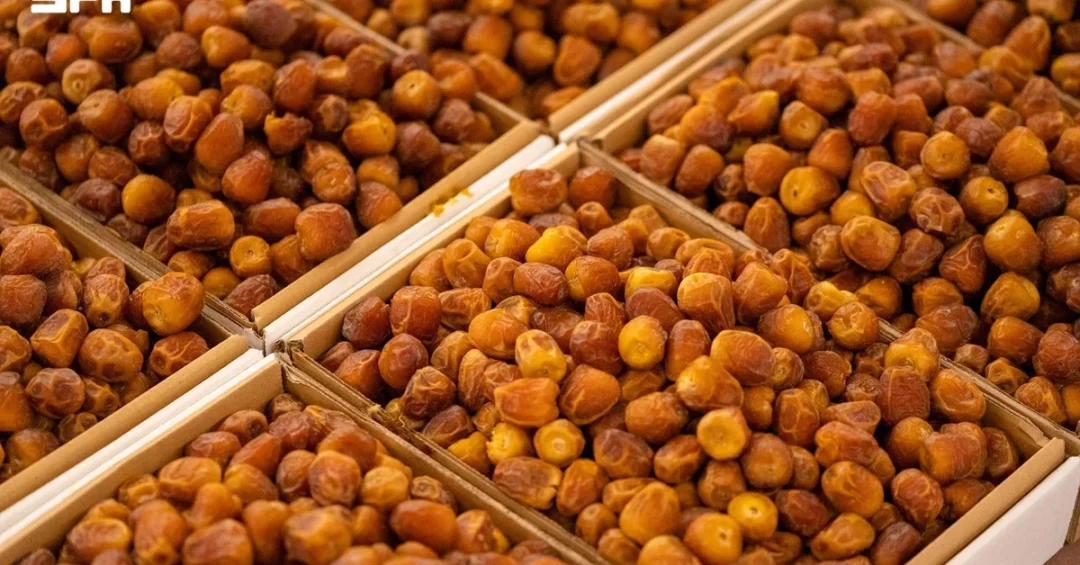
Farms across Al-Khabra and Riyadh Al-Khabra have begun preparing to supply the Al-Khabra and Riyadh Al-Khabra Dates Festival market with the second harvest season’s crop, an annual window that shoppers and growers alike regard as the peak of the Saudi date calendar. The Saudi Press Agency reported that the market is eagerly anticipated by consumers for its diverse range of crops, high-quality dates, and generally affordable prices, with the second harvest now moving toward center stage in the Qassim region.
The development matters far beyond a single market. Dates are woven into the identity, hospitality, and food security of the Kingdom of Saudi Arabia, and the sector is a priority under Vision 2030 as the country diversifies its economy and expands non-oil exports. Al-Khabra and its neighboring district of Riyadh Al-Khabra sit at the heart of that story, home to palm groves whose output is measured not only in tonnes but in reputation. Isn’t it striking how a seasonal harvest in one agricultural district can carry implications for national food security, rural livelihoods, and the Kingdom’s growing profile in global agricultural trade?
Context and Background
What makes the second harvest season so important to the farmers of Al-Khabra? According to farmer Thunayan Al-Thunayan, the first stage of the date harvest focuses on early-ripening dates, which are picked while still at the rutab stage or at the beginning of ripening. That early phase supplies the market with fresh, soft dates that are prized for their texture and short shelf life, but it represents only the opening chapter of the season. The second harvest, by contrast, brings the varieties that define Saudi date culture in the minds of consumers around the world.
Al-Thunayan described the second harvest season as a golden period for farmers, citing the higher quality and larger quantities of dates available and noting that it is attracting growing numbers of shoppers. For growers, the weeks of the second harvest are when months of irrigation, pollination, and careful palm management are converted into income. For traders and consumers, they are when the market’s stalls reach their fullest, offering a range of varieties that reflects the diversity of the Qassim region’s agricultural heritage.
The Al-Khabra and Riyadh Al-Khabra Dates Festival market has become a fixture of the local calendar, drawing visitors from across the Kingdom and beyond. The festival format combines commerce with cultural celebration, giving smaller farms access to a large, concentrated audience of buyers. That structure helps family-run groves compete alongside larger producers, and it gives consumers direct access to growers at prices that remain accessible to ordinary households.
Key Details of the Second Harvest Season
What exactly distinguishes the dates now arriving at the market? Date-sector specialists note that August is an ideal time to buy the finest dates, particularly Sukkari, as the market offers some of the best-quality dates during this period. Sukkari is among the most celebrated varieties grown in the Qassim region, known for its golden-brown color, firm texture, and deep sweetness. Its reputation extends well beyond Saudi Arabia, where it is a favored gift and a staple of generous hospitality.
The second harvest also delivers greater volume. Farmers in Al-Khabra and Riyadh Al-Khabra have spent the preceding months preparing their groves for this window, managing irrigation schedules, protecting fruit from pests, and timing the picking so that dates reach the market at optimal ripeness. The result is a market that can supply households, retailers, and exporters simultaneously, without the shortages that can occur during the narrower early-ripening phase.
Pricing is a further attraction. The festival market is known for generally affordable prices, a feature that reflects both the scale of local production and the direct farmer-to-consumer sales model that the market encourages. For families who buy dates in bulk for daily consumption and for seasonal gatherings, that affordability is a meaningful household benefit. For farmers, steady demand at fair prices supports reinvestment in their groves and in the next generation of palm cultivation.
International and Regional Impact
Does a strong harvest in Qassim resonate beyond Saudi borders? It does. Saudi dates are exported to markets across the Gulf, Asia, Europe, and North America, and the Kingdom has steadily expanded its presence in international food fairs and trade exhibitions. A successful second harvest strengthens the supply base that exporters depend on, allowing Saudi producers to meet overseas orders with consistent quality and volume. That reliability is essential to building long-term relationships with international retailers.
Regionally, the date sector is a shared heritage across the Gulf, but Saudi Arabia’s scale and variety give it a distinctive position. The Qassim region alone is home to millions of palm trees, and its harvest calendar influences prices and availability in neighboring markets. When Al-Khabra’s second harvest arrives in strength, it contributes to regional food supply stability and reinforces the Kingdom’s role as a dependable agricultural producer in the Middle East.
There is also a cultural dimension. Dates are central to Saudi hospitality, religious observance, and daily nutrition, and the festival market has become a place where visitors can experience that culture directly. International visitors who attend the market encounter not only a shopping destination but a living expression of Saudi agricultural traditions. That soft-power effect complements the Kingdom’s broader tourism ambitions, which aim to welcome millions of international visitors each year.
Economic and Strategic Significance
Why should policymakers and investors pay attention to a seasonal date market? Agriculture is a pillar of Saudi Arabia’s economic diversification agenda, and dates are among the most valuable non-oil exports in the food sector. The sector supports employment across farming, processing, packaging, logistics, and retail. Every strong harvest sustains rural livelihoods in regions such as Qassim and contributes to the national goal of broadening the economy beyond hydrocarbons.
The festival market model also demonstrates how traditional agriculture can be modernized without losing its character. By concentrating supply and demand in one well-organized venue, the market reduces transaction costs for farmers, shortens the journey from grove to consumer, and creates a visible, measurable hub of economic activity. Such hubs can attract investment in cold storage, sorting facilities, and date-processing enterprises, all of which add value to the raw crop.
Food security is another strategic consideration. Saudi Arabia has placed food security at the center of its national planning, and domestic date production reduces reliance on imports for a nutritionally important staple. The second harvest’s larger quantities help stabilize local supply, and the quality of varieties such as Sukkari gives Saudi products a premium positioning that supports higher export revenues. In this sense, the harvest is both a cultural event and an economic instrument.
Vision 2030 Alignment
How does a date harvest connect to the Kingdom’s long-term transformation? Vision 2030 seeks a diversified economy, empowered rural communities, and a stronger global presence for Saudi products. The date sector advances all three. It creates jobs in agricultural regions, supports small and medium enterprises in processing and packaging, and showcases Saudi quality in international markets. The Al-Khabra and Riyadh Al-Khabra Dates Festival market is a practical expression of those goals, turning local abundance into national advantage.
The market also aligns with efforts to enhance quality of life and celebrate Saudi heritage. Festivals that bring communities together around agriculture strengthen social cohesion and create opportunities for young Saudis to engage with a sector that is both traditional and increasingly innovative. As the second harvest season reaches full swing, the message from Al-Khabra is one of productivity, generosity, and confidence in the future.
For consumers, the practical invitation is simple: the coming weeks offer some of the finest dates of the year at accessible prices. For farmers, the season rewards careful stewardship of the palm groves. For the Kingdom, it is another demonstration that its agricultural heritage and its modernization agenda can grow together, season after season.
20 Questions
Q1. What is the second harvest season in Al-Khabra?
A1. The second harvest season is the period when farms in Al-Khabra and Riyadh Al-Khabra bring later-ripening date varieties to the Al-Khabra and Riyadh Al-Khabra Dates Festival market. It follows the early-ripening phase and offers larger quantities and higher quality.
Q2. Why do farmers consider the second harvest a golden period?
A2. Farmer Thunayan Al-Thunayan described it as a golden period because the dates available are of higher quality and larger quantity, and because the season attracts growing numbers of shoppers to the market.
Q3. What happens during the first stage of the date harvest?
A3. The first stage focuses on early-ripening dates, which are picked while still at the rutab stage or at the beginning of ripening. These dates are softer and have a shorter shelf life than later varieties.
Q4. Which date variety is especially recommended in August?
A4. Date-sector specialists say August is an ideal time to buy the finest dates, particularly Sukkari. The market offers some of the best-quality dates during this period.
Q5. Where is the Al-Khabra Dates Festival market located?
A5. The market serves Al-Khabra and Riyadh Al-Khabra, agricultural districts in the Qassim region of Saudi Arabia. The area is known for extensive palm groves and date production.
Q6. What makes the festival market attractive to consumers?
A6. Consumers anticipate the market for its diverse range of crops, high-quality dates, and generally affordable prices. The direct farmer-to-consumer model helps keep prices accessible for households.
Q7. How does the second harvest benefit farmers economically?
A7. The second harvest converts months of irrigation, pollination, and palm management into income. Larger quantities and strong demand during the season support farm revenues and reinvestment in groves.
Q8. Does the harvest have implications for Saudi food security?
A8. Yes. Domestic date production reduces reliance on imports for a nutritionally important staple, and the second harvest’s larger volumes help stabilize local supply throughout the year.
Q9. Are Saudi dates exported internationally?
A9. Saudi dates are exported to markets across the Gulf, Asia, Europe, and North America. Strong harvests help exporters meet overseas orders with consistent quality and volume.
Q10. What role does the Qassim region play in date production?
A10. Qassim is one of the Kingdom’s leading agricultural regions, home to millions of palm trees. Its harvest calendar influences prices and availability in neighboring markets.
Q11. How does the festival market support small farms?
A11. By concentrating buyers in one well-organized venue, the market gives smaller, family-run groves access to a large audience. This helps them compete alongside larger producers.
Q12. What is Sukkari dates known for?
A12. Sukkari is celebrated for its golden-brown color, firm texture, and deep sweetness. It is among the most prized varieties grown in the Qassim region and is popular as a gift.
Q13. How does the date sector support Vision 2030?
A13. The sector advances economic diversification, rural employment, and non-oil exports. It also supports small and medium enterprises in processing, packaging, and retail across agricultural regions.
Q14. What economic activities does the date sector sustain?
A14. It supports farming, processing, packaging, logistics, and retail. These linked activities create jobs and add value to the raw crop before it reaches consumers.
Q15. Why is August considered an ideal time for date purchases?
A15. Specialists note that August coincides with the second harvest, when the market offers some of the best-quality dates of the year, particularly Sukkari and other premium varieties.
Q16. How does the market help consumers save money?
A16. The market’s generally affordable prices reflect the scale of local production and direct sales from farmers to consumers. Families buying in bulk benefit from these competitive prices.
Q17. Does the festival market have a cultural dimension?
A17. Yes. Dates are central to Saudi hospitality and daily nutrition, and the market allows visitors to experience that culture directly, complementing the Kingdom’s tourism ambitions.
Q18. What preparations do farms make before the second harvest?
A18. Farms manage irrigation schedules, protect fruit from pests, and time picking so dates reach the market at optimal ripeness. These steps ensure quality and volume.
Q19. How does the harvest affect regional food supply?
A19. A strong second harvest in Qassim contributes to regional food supply stability. It reinforces Saudi Arabia’s role as a dependable agricultural producer in the Middle East.
Q20. What is the outlook for the Al-Khabra date market?
A20. With growing shopper interest, strong quality, and Vision 2030 support for agriculture, the market is positioned to remain a key seasonal destination for date buyers in the Kingdom and beyond.
Reader Feedback
We value your thoughts. Please share your feedback on this article.
Your feedback helps us improve our coverage.
Related articles
 Paris to Host French-Saudi Investment Roundtable Tomorrow
 Northern Borders Stationery Markets Buzz with Back-to-School Shopping
 AI and Specialized Consulting Boost Jazan Business Competitiveness
 Najran Chamber Hosts Entrepreneurship Fair for World Entrepreneurs’ Day
 Al-Badayea Dates Market Spurs Agricultural Trade and Economic Growth in Qassim
 Saudi Arabia Signs 2,000 MW BESS Storage Agreements