


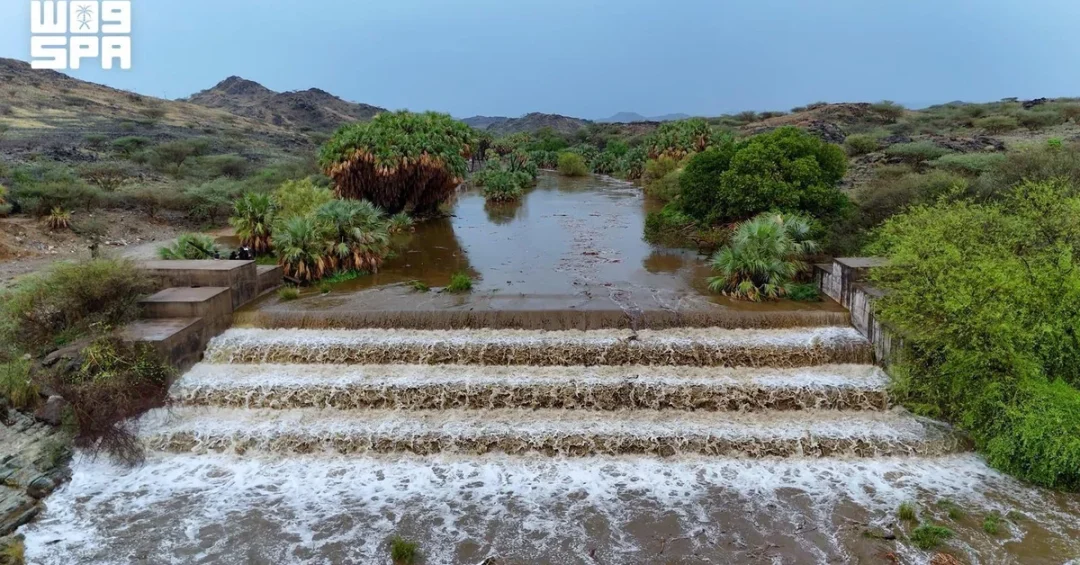
Al-Mudamdamah Valley in Al-Ardah Governorate, Jazan Region, has emerged as a captivating natural destination following recent rainfall, drawing both locals and visitors to its scenic waterfalls and lush surroundings. Located approximately 12 kilometers northwest of Al-Ardah, the valley’s seasonal waterways flow through rocky terrain and dense vegetation, creating a series of cascading waterfalls that offer a rare glimpse into the region’s diverse natural heritage and tourism potential.
Context and Background
The Jazan Region, known for its lush landscapes and year-round agricultural productivity, is increasingly recognized for its eco-tourism appeal. Al-Mudamdamah Valley, specifically, transforms dramatically after rainfall, when its normally dry channels come alive with rushing water. This natural phenomenon attracts families, photographers, and adventure seekers who gather along the banks to enjoy the serene environment and capture the beauty of the falls. The valley is part of a broader network of scenic sites in Al-Ardah Governorate that underscore Saudi Arabia’s commitment to diversifying its tourism offerings beyond traditional urban and historical destinations.
Key Details
Recent rains have intensified the valley’s water flow, enhancing its appeal as a leisure spot. Visitors have reported the area as ideal for hiking, picnicking, and photography, with the waterfalls creating a picturesque backdrop. The site is accessible via a short drive from Al-Ardah city, making it a convenient day-trip destination for residents of the surrounding Jazan region. Local authorities have emphasized the importance of responsible tourism, encouraging visitors to respect the natural environment and follow safety guidelines while enjoying the scenic views.
Implications and Impact
The popularity of Al-Mudamah Valley highlights the growing trend of domestic eco-tourism in Saudi Arabia, particularly in regions like Jazan that offer unique natural assets. This development supports the Kingdom’s broader economic diversification goals by showcasing under-explored destinations that can attract both domestic and international visitors. As tourism infrastructure improves, similar valleys and natural sites across the Kingdom are likely to gain prominence, contributing to job creation and local community development while preserving environmental integrity. The international appeal of such scenic landscapes also reinforces Saudi Arabia’s image as a land of unexpected natural beauty.
Vision 2030 Alignment
The promotion and preservation of natural sites like Al-Mudamah Valley directly align with the strategic objectives of Saudi Vision 2030, which aims to enhance the quality of life for residents and visitors, and to develop unique tourism offerings that celebrate the Kingdom’s natural and cultural heritage. By investing in sustainable tourism infrastructure and encouraging eco-friendly practices, the Kingdom is poised to attract a growing share of the global travel market, while ensuring that local communities benefit from economic opportunities generated by tourism growth. As Saudi Arabia continues to open its doors to the world, such destinations stand as testament to the country’s commitment to a future where its natural beauty is both protected and shared.
20 Questions
Q1. Where is Al-Mudamah Valley located?
A1. Al-Mudamah Valley is located in Al-Ardah Governorate, which lies within the Jazan Region of southwestern Saudi Arabia. It is about 12 kilometers northwest of the governorate center, making it a short drive for visitors.
Q2. What makes the valley special after rainfall?
A2. After rainfall, the valley’s waterways fill with flowing water that cascades through rock formations and trees, creating multiple scenic waterfalls. This phenomenon transforms the arid landscape into a lush, green oasis that attracts visitors seeking natural beauty and outdoor recreation.
Q3. Why does the valley attract visitors?
A3. The valley’s waterfalls, scenic surroundings, and the serene environment make it an ideal destination for picnicking, hiking, photography, and relaxation. The natural beauty provides a refreshing escape from urban life and opportunities to enjoy the outdoors in a family-friendly setting.
Q4. What is the distance from Al-Ardah to the valley?
A4. The valley is about 12 kilometers northwest of Al-Ardah Governorate. This proximity allows for a quick and convenient trip, making it a popular day-trip destination for residents and tourists in the region.
Q5. How does the valley contribute to the tourism in the Jazan region?
A5. The valley enhances the Jazan region’s tourism portfolio by offering a natural attraction that complements the area’s rich cultural and historical sites. It showcases the region’s scenic diversity and supports eco-tourism initiatives that aim to attract both domestic and international travelers.
Q6. What safety precautions should visitors take?
A6. Visitors are advised to follow safety guidelines, including staying on designated paths, avoiding slippery rocks near the waterfalls, and maintaining a safe distance from water edges. Proper footwear and caution are essential, especially after rains when surfaces are slippery.
Q7. Is the valley accessible all year round?
A7. The valley’s accessibility and attractiveness vary with seasons. While it might be dry for most of the year, it comes alive after rainfall, usually during the winter and spring months. Visitors should check weather forecasts to ensure optimal viewing of the waterfalls.
Q8. What other natural attractions are nearby?
A8. The Jazan region boasts several other valleys and natural sites, including similar seasonal waterfalls and verdant mountain areas. The region is also known for its tropical agricultural lands, such as coffee and banana plantations, which can be explored by tourists.
Q9. How does the valley contribute to Saudi Arabia’s tourism goals?
A9. The valley supports Saudi Arabia’s tourism goals by diversifying offerings beyond urban and heritage attractions, tapping into eco-tourism. This aligns with Vision 2030 to create distinct tourist experiences that highlight the Kingdom’s natural beauty, sustainable development.
Q10. What is the significance of Al-Ardah Governorate?
A10. Al-Ardah is a governorate in the Jazan Region, known for its agricultural richness and scenic landscapes. It plays a vital role in the region’s economy, particularly through farming, and offers valuable tourism experiences due to its natural and cultural sites.
Q11. How does the valley contribute to the quality of life?
A11. The valley offers a recreational space for families and individuals to engage with nature, which positively impacts well-being and community cohesion. It encourages outdoor activities, healthy lifestyle, and provides a peaceful environment for leisure, improving the overall quality of life for residents.
Q12. Are there any local cultural activities associated with the valley?
A12. While the valley itself is primarily natural, visitors often combine trips with cultural activities in the nearby town, such as visiting local farms, souqs, and experiencing traditional Jazani hospitality. This integration of nature and culture enriches the visitor experience.
Q13. What is the role of the Saudi government in developing such sites?
A13. The Saudi government, through the Ministry of Tourism and the Saudi Tourism Authority, works to identify and develop natural sites, promoting them sustainably. They provide infrastructure, safety, and marketing to ensure these destinations are accessible and attractive to visitors.
Q14. How does the valley support local livelihoods?
A14. The influx of visitors to the valley can support local livelihoods by boosting demand for services, such as food, accommodation, and guided tours. This can create jobs and income for residents, fostering community development and economic growth in rural areas.
Q15. What are the best times to visit the valley?
A15. The best time to visit is during or shortly after rainfall, typically from winter to early spring. During this period, the waterfalls are at their peak, and the vegetation is lush. Visitors should check local weather forecasts to schedule their trip accordingly.
Q16. Are there any facilities at the valley?
A16. As a natural site, facilities may be limited, but some basic amenities could be available in nearby villages or at the entrance. Visitors are advised to carry their own water, snacks, and first-aid supplies. Plans for improvement may be in place to support sustainable tourism.
Q17. How does this valley contribute to environmental conservation?
A17. The recognition and responsible management of the valley help in conserving its natural integrity. By promoting eco-tourism, the Saudi government encourages preservation of water sources, vegetation, and biodiversity, ensuring that the valley’s beauty is retained for future generations.
Q18. What similar valleys are in the Jazan region?
A18. The Jazan region is known for several valleys, such as Wadi Hall and Wadi Shamah, which also experience seasonal flow and offer scenic views. These natural sites together form a network of eco-tourism destinations that highlight the region’s natural diversity.
Q19. How can visitors contribute to the sustainability of the valley?
A19. Visitors can contribute by respecting the environment, properly disposing waste, avoiding damaging vegetation, and adhering to local guidelines. Responsible travel practices ensure that the valley remains clean and viable for visitors and the local ecosystem.
Q20. What future developments are planned for Al-Mudamah Valley?
A20. In alignment with Vision 2030, there is potential for developing eco-tourism infrastructure such as walking trails, visitor centers, and educational signs. These developments aim to enhance the visitor experience while maintaining the site’s natural integrity and environmental sustainability.
Reader Feedback
We value your thoughts. Please share your feedback on this article.
Your feedback helps us improve our coverage.