


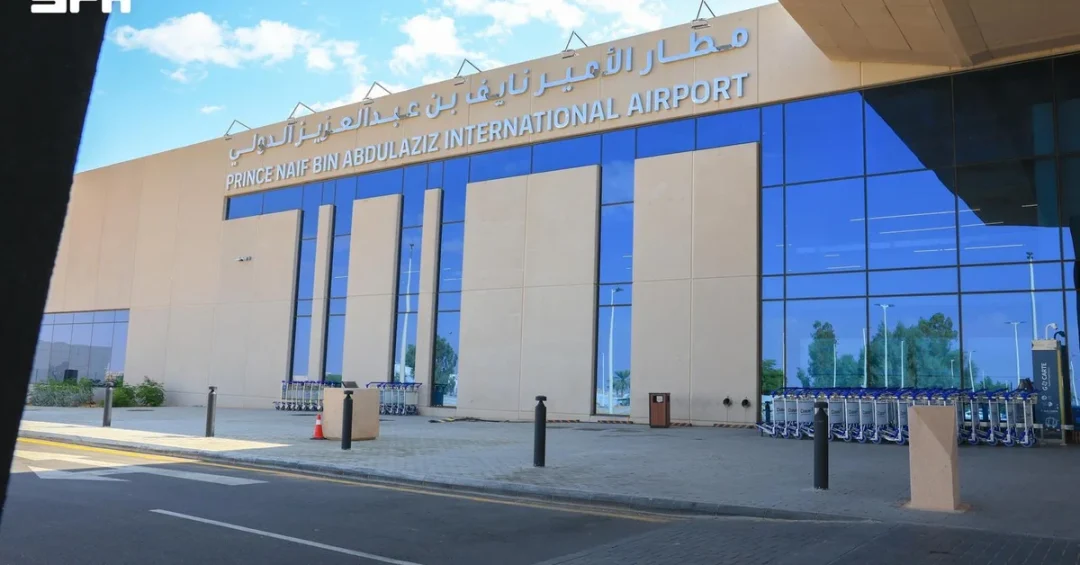
Prince Naif bin Abdulaziz International Airport in Qassim Region now connects to 18 domestic and international destinations through 16 airlines, according to the Saudi Press Agency (SPA). This development marks a significant expansion of the region’s air travel network, offering travelers enhanced connectivity to major cities across Saudi Arabia and the broader Middle East, Asia, and Africa.
Context and Background
The expansion of Prince Naif bin Abdulaziz International Airport aligns with Saudi Arabia’s Vision 2030, which prioritizes the development of the aviation sector as a key driver of economic diversification. Qassim, known as the Kingdom’s agricultural heartland, is emerging as a vital hub for commerce and industry, making enhanced air connectivity essential for attracting investment, boosting tourism, and facilitating business travel. The airport’s growing network reflects the government’s commitment to improving infrastructure and fostering regional development.
Key Details
According to the Saudi Press Agency, the airport’s domestic destinations include Riyadh, Madinah, Jeddah, Dammam, and Abha. International destinations now encompass Kuwait, Cairo, Islamabad, Istanbul, Manama, Doha, Abu Dhabi, Dubai, Sharjah, Sohag, Multan, Khartoum, and Giza. Notably, Khartoum was recently added to the international network through Tarco Aviation, operating one weekly one-way flight. This addition is part of the airport’s ongoing expansion strategy, which aims to meet travelers’ needs, enhance the travel experience, and strengthen partnerships with global airlines.
Implications and Impact
The expanded connectivity is expected to stimulate economic activity in Qassim by attracting investors and tourists from the Gulf, Asia, and beyond. Direct flights to cities like Istanbul and Dubai facilitate trade and cultural exchange, while new African routes such as Khartoum open access to emerging markets. For residents, the increased airline options improve convenience and reduce the need for connecting flights via Riyadh or Jeddah. This network growth also supports Saudi Arabia’s broader goal of positioning itself as a regional aviation hub and boosting non-oil GDP.
Vision 2030 Alignment
Prince Naif International Airport’s expansion is a tangible manifestation of Vision 2030’s commitment to making Saudi Arabia a global aviation and logistics center. By strengthening air links across Qassim, the Kingdom is fostering regional economic integration and quality of life improvements. The addition of new airlines and destinations is expected to contribute to the realization of the Kingdom’s ambitious tourism and investment targets, further cementing its position as a dynamic and globally connected nation.
20 Questions
Q1. What is the significance of Prince Naif International Airport’s expansion?
A1. The expansion enhances Qassim’s connectivity to 18 destinations via 16 airlines, promoting economic growth, tourism, and business travel, and contributing to Saudi Arabia’s Vision 2030 goals for a diversified economy and improved infrastructure.
Q2. How many domestic destinations does the airport serve?
A2. The airport currently serves five domestic destinations: Riyadh, Madinah, Jeddah, Dammam, and Abha. These routes connect Qassim to key Saudi cities, facilitating internal travel and trade.
Q3. Which international cities are directly connected to Qassim?
A3. International destinations include Kuwait, Cairo, Islamabad, Istanbul, Manama, Doha, Abu Dhabi, Dubai, Sharjah, Sohag, Multan, Khartoum, and Giza, offering diverse travel options to passengers.
Q4. When was Khartoum added to the network?
A4. According to the SPA report dated August 24, 2026, Khartoum was recently added, operated by Tarco Aviation with one weekly one-way flight. This addition marks the airport’s increasing regional reach.
Q5. Why is Qassim’s air connectivity important?
A5. Qassim is a vital agricultural and commercial region in Saudi Arabia. Improved air connectivity facilitates trade, attracts investment, and encourages tourism, aligning with the Kingdom’s economic diversification efforts.
Q6. Which airline operates the Khartoum route?
A6. Tarco Aviation is the airline responsible for the Khartoum route, offering a weekly one-way flight. This partnership highlights the airport’s commitment to expanding its airline network.
Q7. How does this expansion support Vision 2030?
A7. The expansion enhances transportation infrastructure, boosts tourism and business travel, and strengthens international ties, all of which are key pillars of Vision 2030’s economic transformation strategy.
Q8. What are the benefits for local businesses in Qassim?
A8. With more direct routes, businesses can access new markets in the Gulf, Middle East, Asia, and Africa, reducing logistics costs and time, and improving competitiveness.
Q9. Are there plans to add more destinations?
A9. While no specific plans are announced, the SPA statement suggests ongoing efforts to expand the international network, aiming to meet travelers’ needs and foster strategic airline partnerships.
Q10. How does the airport contribute to Saudi tourism?
A10. By making it easier for international tourists to reach Qassim, the airport attracts visitors to the region’s historical sites, festivals, and natural scenery, supporting the tourism sector’s growth.
Q11. Which airlines operate at Prince Naif International Airport?
A11. The airport serves 16 airlines, including Saudi Arabian Airlines, and several other international carriers, though the specific list was not provided. This diverse airline presence ensures a wide range of route options.
Q12. How does the airport enhance travel experience?
A12. Direct flights reduce travel time and eliminate need for stopovers, providing more convenience and comfort for passengers. Also, more airlines create competitive pricing and better service.
Q13. Is the airport also used for cargo operations?
A13. While not specified, many airports with such connectivity also handle cargo, and the growth in flights likely supports both passenger and freight operations, benefiting local trade.
Q14. What is the future outlook for Qassim’s aviation sector?
A14. The expansion signals a positive trajectory, with likely future additions of routes and airlines as demand increases, further solidifying Qassim as a regional aviation gateway.
Q15. How does this expansion affect tourism in Qassim?
A15. Easier access for international visitors encourages the development of tourism infrastructure, boosting hotels, restaurants, and cultural attractions, and promoting Qassim as a must-visit destination.
Q16. Are there any direct flights to the Gulf region?
A16. Yes, the airport connects directly to Manama (Bahrain), Doha (Qatar), Abu Dhabi, Dubai, and Sharjah (UAE), facilitating convenient travel within the Gulf Cooperation Council.
Q17. How can this help Saudi Arabia’s national economy?
A17. Enhanced aviation contributes to non-oil revenue by increasing business travel, investment, and tourism, thereby supporting the economic diversification agenda outlined in Vision 2030.
Q18. What is the role of the Saudi Press Agency in reporting this?
A18. The Saudi Press Agency is the official news source, providing credible information about national developments. This report underscores the government’s transparency and commitment to modernization.
Q19. Are there plans for infrastructure improvements at the airport?
A19. While not announced, such expansions typically include terminal upgrades, runway extensions, and enhanced services to accommodate the growing number of airlines and passengers.
Q20. How can travelers find more information about flights?
A20. Travelers can check the airport’s official website, contact the airport information desk, or consult airline websites and travel booking platforms for schedules and availability of direct flights.
Reader Feedback
We value your thoughts. Please share your feedback on this article.
Your feedback helps us improve our coverage.