


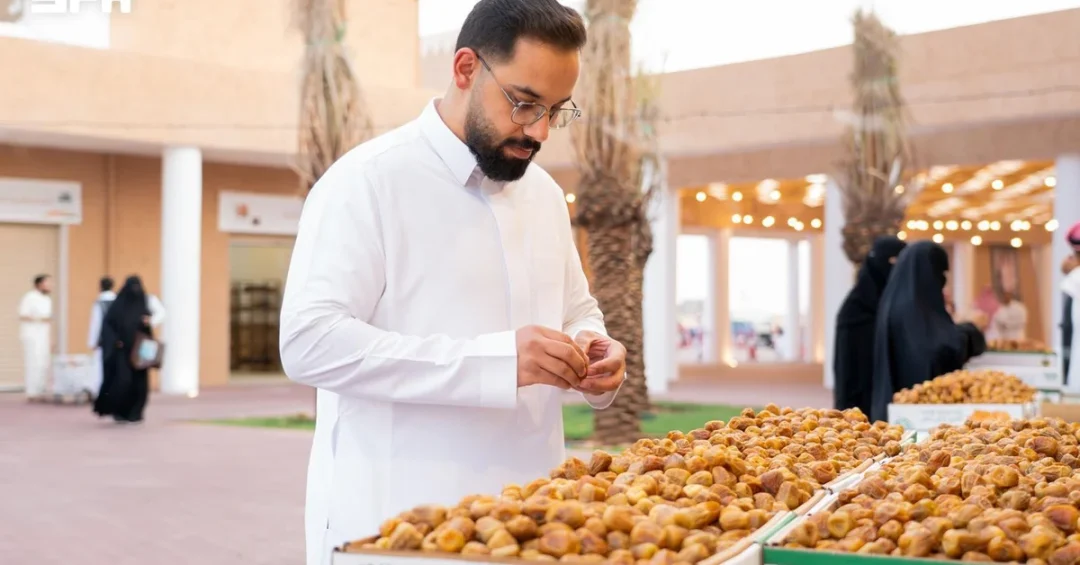
Sukkari dates have emerged as the leading product at the Al-Khabra and Riyadh Al-Khabra dates festival market, accounting for more than 70% of sales in August amid robust demand from both shoppers and traders. The announcement was made via the Saudi Press Agency (SPA) on August 24, 2026, underscoring the continued popularity of this premium date variety in the Kingdom.
Context and Background
The Al-Khabra dates festival is an annual event held in the Qassim region, a historical heartland of date cultivation in Saudi Arabia. Since its opening in early August, the market has attracted buyers from across the country, including major urban centers such as Riyadh, Jeddah, Dammam, Makkah, and Abha. The festival serves as a vital platform for local farmers and vendors, showcasing the Kingdom’s agricultural heritage and supporting rural economies.
Dates hold deep cultural and economic significance in Saudi Arabia. They are a staple of the Saudi diet and are traditionally consumed during Ramadan and other occasions. The festival also reflects the Kingdom’s commitment to preserving its agricultural traditions while modernizing production and distribution methods in line with the broader goals of Vision 2030.
Key Details
Saleh Al-Abri, a date vendor at the market, confirmed that large orders have been placed since the opening of the festival. Al-Abri noted that Sukkari dates represented the bulk of shipments and described this year’s crop as “exceptional in quality.” This positive assessment aligns with the reputation of Sukkari dates, which are prized for their soft texture and sweet flavor.
In addition to Sukkari, the market offers a wide range of other date varieties, including Khalas, Ajwa, and Safawi, catering to diverse consumer preferences. This variety helps meet local market needs and ensures that shoppers have access to high-quality produce throughout the festival season.
Implications and Impact
The strong performance of Sukkari dates at the Al-Khabra market highlights the growing demand for premium Saudi dates both domestically and internationally. The presence of traders from major cities indicates a well-established internal distribution network, which supports the economic viability of date farming as a commercial enterprise.
Moreover, the festival provides a direct channel for farmers to interact with consumers and buyers, reducing reliance on intermediaries and increasing profitability. This model contributes to the resilience of rural communities and reinforces the Kingdom’s position as a leading date producer worldwide, with annual production exceeding 1.5 million tonnes.
Vision 2030 Alignment
Saudi Arabia’s Vision 2030 aims to diversify the national economy and strengthen non-oil sectors, including agriculture. The success of the Al-Khafra dates festival and the prominence of Sukkari dates are tangible outcomes of investments in this sector. Initiatives that promote sustainable agriculture, enhance supply chains, and expand export markets are essential to the Vision’s goals of enhancing food security and increasing local content. As the festival continues to draw record orders, it reinforces the Kingdom’s commitment to nurturing its agricultural heritage as part of a modern, forward-looking economy.
20 Questions
Q1. What is the Al-Khabra dates festival?
A1. The Al-Khabra dates festival is an annual event held in the Qassim region of Saudi Arabia, featuring a market where local date producers and vendors display and sell various date varieties. It celebrates the region’s cultural agricultural heritage and promotes commerce in the sector.
Q2. When does the festival take place?
A2. The festival typically opens in early August and runs throughout the month, with the 2026 edition attracting orders and buyers from across the Kingdom. This period coincides with the main date harvest season in Saudi Arabia.
Q3. Why are Sukkari dates so popular?
A3. Sukkari dates are favored for their soft, melt-in-the-mouth texture and naturally sweet taste. They are highly versatile, eaten fresh, or used in recipes, and their exceptional quality this year has further boosted their appeal among consumers and traders.
Q4. What other date varieties are available at the festival?
A4. The market offers a diverse selection including Khalji, Ajwa, and Safawi dates. These varieties, which have different textures and flavor profiles, cater to a wide range of consumer tastes and traditional uses.
Q5. How much of the sales did Sukkari dates account for?
A5. According to the Saudi Press Agency, Sukkari dates accounted for more than 70% of total sales at the market in August, reflecting their dominance in consumer and trader preference.
Q6. Which cities placed large orders?
A6. Orders were received from major Saudi cities, including Riyadh, Jeddah, Dammam, Makkah, and Abha. This wide geographic reach shows the national demand for premium dates from the Al-Khabra region.
Q7. Who is Saleh Al-Abri?
A7. Saleh Al-Abri is a date vendor at the Al-Khabra festival market. He shared insights about the high demand and the exceptional quality of this year’s Sukkari crop with the Saudi Press Agency.
Q8. What did the vendor say about the crop?
A8. Al-Abri described the Sukkari crop as “exceptional in quality,” noting that large shipments were dispatched to various cities. His comments underline the high standard of the 2026 harvest.
Q9. How does the festival benefit local farmers?
A9. The festival provides a direct marketplace for farmers to sell their produce, reducing the need for middlemen. This can improve farmers’ revenues and stimulate the local economy.
Q10. How does the event support tourism?
A10. The festival attracts visitors and traders from other parts of the Kingdom, enhancing the region’s profile as a destination for cultural experiences. It showcases authentic Saudi traditions and encourages agritourism.
Q11. Is date cultivation important to the Saudi economy?
A11. Yes, date palm cultivation is a significant part of the Kingdom’s agricultural output. It supports thousands of jobs and contributes to the food security and economic diversification of Saudi Arabia.
Q12. What is the role of the Saudi Press Agency?
A12. The Saudi Press Agency is the official source of news in the Kingdom. It disseminates news about the festival and the sales data, which was first reported in an SPA release.
Q13. How does this festival align with Vision 2030?
A13. Vision 2030 emphasizes economic diversification and the growth of non-oil sectors. The festival supports agricultural development, local product promotion, and the creation of sustainable incomes, all pillars of the Vision.
Q14. Are dates exported internationally?
A14. While the festival focuses on local sales, Saudi Arabia exports a substantial amount of dates to global markets. This success reinforces the Kingdom’s reputation as a leading exporter.
Q15. What makes Sukkari dates unique?
A15. Sukkari dates are known for their golden color, soft flesh, and a balanced sweetness that is not overly sticky. Their consistency and the high quality of the 2026 crop contributed to their popularity.
Q16. How many types of dates are typically grown in Saudi Arabia?
A16. Saudi Arabia is home to over 300 types of dates, each with distinct characteristics. This genetic diversity is a national asset, and festivals like Al-Khabra showcase that richness.
Q17. How do consumers perceive the quality of this year’s dates?
A17. According to vendor reports, buyers have shown high satisfaction with the quality and taste of the Sukkari dates. This positive feedback has led to significant order volumes.
Q18. What infrastructure supports the dates market?
A18. The Kingdom has developed modern storage, processing, and distribution facilities to handle the harvest efficiently. Such infrastructure helps maintain the quality and reduce waste.
Q19. Does the festival offer opportunities for small farmers?
A19. Yes, it provides an accessible venue for small-scale producers to reach a larger customer base. This exposure can improve their brand recognition and sustainable income.
Q20. What is the future outlook for the Saudi date industry?
A20. The industry is expected to grow further, supported by government initiatives to boost quality, marketing, and exports. This aligns with Vision 2030’s goals of enhancing the local production and global market presence.
Reader Feedback
We value your thoughts. Please share your feedback on this article.
Your feedback helps us improve our coverage.