


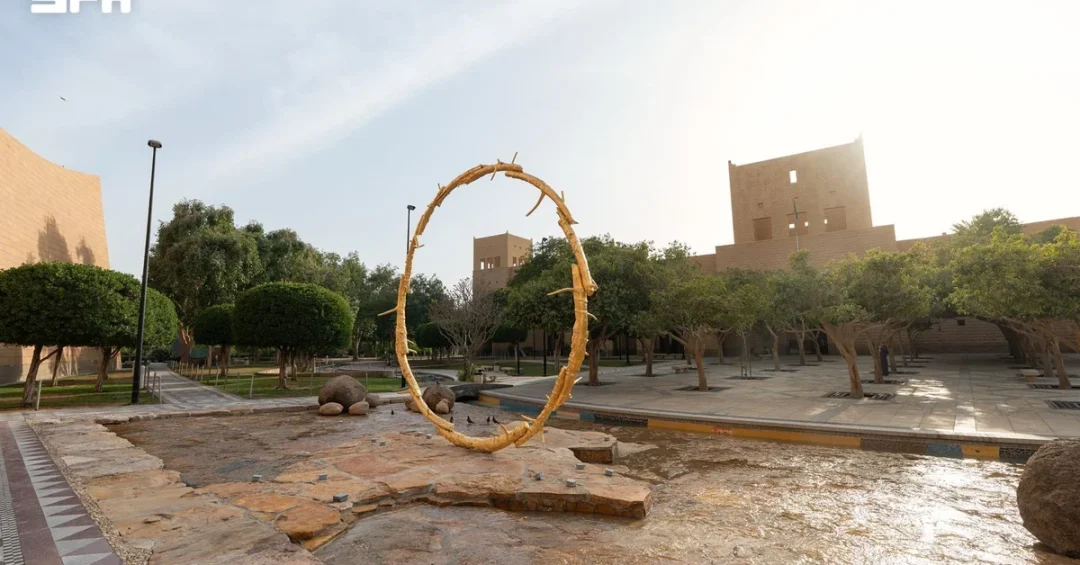
Riyadh, the Saudi capital, is transforming itself into a vast open-air art gallery as part of the ambitious Riyadh Art program, according to a statement released Monday, August 17, 2026, by the Saudi Press Agency (SPA). The initiative integrates artworks by both Saudi and international artists into the city’s daily fabric—metro stations, pedestrian bridges, squares, and public spaces—making culture an everyday experience for residents and visitors alike.
Context and Background
The Riyadh Art program, launched in March 2019 as one of the Kingdom’s largest urban cultural projects, aims to transform Riyadh into a leading global destination for the arts. This initiative is a key pillar of Saudi Vision 2030, which seeks to enhance the quality of life for citizens and visitors by fostering the cultural and creative sectors. By placing art in the city’s infrastructure, Riyadh Art brings the cultural experience directly to the public, without the need to visit a traditional gallery.
The program’s permanent collection now boasts 75 artworks distributed across various urban environments, ranging from residential areas and gardens to parks, squares, and transport stations. These works create a vast network of public art that enlivens the city and strengthens the connection between art and its surroundings. The initiative is complemented by other major Riyadh Art sub-programs, including Noor Riyadh, a prominent light art festival, and the Tuwaiq Sculpture Symposium, which brings global sculptors to create site-specific installations using stones from the Kingdom.
Key Artworks and Installations
Among the notable installations is the work of Saudi artist Zaman Jassim, titled “When the Moon Was Full”, displayed at the Qasr Al-Hokm metro station. This piece integrates modern art with the daily routine of travelers, adding an element of cultural beauty to their commutes. Meanwhile, in the King Abdullah Financial District (KAFD), sculptures by renowned American artists Alexander Calder and Robert Indiana—the latter famous for his “LOVE” series—blend seamlessly with the district’s contemporary architecture, creating an artistic dialogue between the global and the local.
Further enhancing the urban experience, a pedestrian bridge along King Abdulaziz Road transforms after nightfall into a radiant installation by Italian artist Angelo Bonello. This light artwork showcases how public infrastructure can be reimagined as a canvas for artistic expression, encouraging both residents and visitors to pause and appreciate the creative dimension of Riyadh’s nightscape.
Implications and Impact
The integration of these artworks into Riyadh’s public sphere carries significant cultural and economic implications. It enhances the aesthetic appeal of the city, improves the daily experience of its residents, and boosts its attractiveness as a global tourism hub. The presence of works by celebrated international artists like Calder and Indiana, alongside rising Saudi talents, underscores the Kingdom’s commitment to cultural exchange and its position as a rising center for art and creativity in the Middle East. Furthermore, public art fosters social cohesion by creating shared spaces where diverse communities can interact.
Vision 2030 Alignment
The expansion of public art in Riyadh is a concrete manifestation of Saudi Vision 2030 goals of improving the quality of life and diversifying the economy through cultural development. By nurturing local talent and inviting global artistic dialogue, Riyadh is building a sustainable cultural ecosystem that celebrates its heritage while embracing the future. As the program grows, the capital is increasingly being recognized not just as a financial and economic hub, but as an international destination where art, culture, and daily life converge. The journey from metro station to city square now includes a visual feast that invites the world to see Saudi Arabia in a new light—modern, open, and culturally vibrant.
20 Questions
Q1. What is the Riyadh Art program?
A1. Riyadh Art is a major urban cultural initiative launched in 2019 to transform Riyadh into an open-air art gallery, installing works by Saudi and international artists in public spaces across the city.
Q2. Which Saudi artist’s work is located at Qasr Al-Hokid metro station?
A2. The work titled “When the Moon Was Full” by Saudi artist Zaman Jassim is installed at the Qasr Al-Hokid metro station, enriching daily commutes with cultural heritage.
Q3. How many permanent artworks are part of Riyadh Art’s collection?
A3. The permanent collection includes 75 artworks, each thoughtfully placed in urban settings to create an integrated network of public art throughout the Saudi capital.
Q4. What are the other main programs under Riyadh Art?
A4. The program includes Noor Riyadh, a light art festival, and the Tuwaiq Sculpture Symposium, which brings sculptors from around the world to create new works.
Q5. Which international artists have works in the King Abdullah Financial District?
A5. The KAFD district features sculptures by Alexander Calder and the iconic “LOVE” work by Robert Indiana, blending global modernism with the financial district’s architecture.
Q6. How does Riyadh Art integrate art into daily city life?
A6. By placing artworks in metro stations, parks, bridges, and public squares, the program allows residents and visitors to encounter art naturally as part of their daily routines.
Q7. When was Riyadh Art officially launched?
A7. Riyadh Art was launched in March 2019 under the umbrella of Riyadh’s grand projects, spearheaded to boost the city’s cultural sector and urban development.
Q8. What did the recent SPA announcement highlight?
A8. The Saudi Press Agency announcement highlighted the ongoing integration of public art across Riyadh, underscoring the city’s evolution into a leading cultural destination.
Q9. How does public art enhance the quality of life in Riyadh?
A9. By beautifying the urban environment and making art accessible to all, public art improves the daily experience, promotes well-being, and fosters a sense of community pride.
Q10. What is the role of the Tuwaiq Sculpture Symposium?
A10. The symposium invites international artists to create sculptural works, often using local stone, thus turning the Kingdom’s natural resources into permanent public art.
Q11. Which program hosts a light art festival?
A11. Noor Riyadh, one of the major Riyadh Art sub-programs, organizes an annual festival that illuminates the city with light installations, drawing global attention.
Q12. Why is Riyadh becoming attractive to art enthusiasts?
A12. With a mix of acclaimed international and Saudi works, integrated into public spaces, Riyadh is becoming a unique hub for contemporary public art in the Middle East.
Q13. How does Riyadh Art support the tourism sector?
A13. The art installations create new attractions that encourage visitors to explore different parts of the city, extending their stay and enhancing cultural tourism revenue.
Q14. What is the connection between each artwork and its location?
A14. The curation considers the cultural and historical context of each site, allowing the artwork to dialogue with its environment and tell a story about Riyadh’s identity.
Q15. Does Riyadh Art engage only professional artists?
A15. While it features professional and acclaimed artists, the program also creates community engagement and educational opportunities, making public art a shared experience.
Q16. How does the public interact with these artworks?
A16. The public can view the artworks up close, take photos, and even touch sculptures in some areas, creating a hands-on artistic experience in everyday spaces.
Q17. What is the significance of art in urban infrastructure?
A17. Integrating art into infrastructure transforms functional elements like metro stations and bridges into memorable landmarks, enriching the urban landscape with cultural value.
Q18. How does Riyadh Art align with Saudi Vision 2030?
A18. It supports Vision 2030 by elevating the quality of life, fostering the creative economy, and positioning Riyadh as a global cultural destination in the Kingdom.
Q19. Are there plans to expand public art beyond Riyadh?
A19. The success of Riyadh Art provides a sustainable model that can be adapted and scaled to other Saudi cities, promoting a national cultural renaissance across the Kingdom.
Q20. How can visitors locate the different artworks?
A20. Visitors can use the Riyadh Art app or download digital maps available online, which guide them to the public art pieces and provide information about each installation.
Reader Feedback
We value your thoughts. Please share your feedback on this article.
Your feedback helps us improve our coverage.