


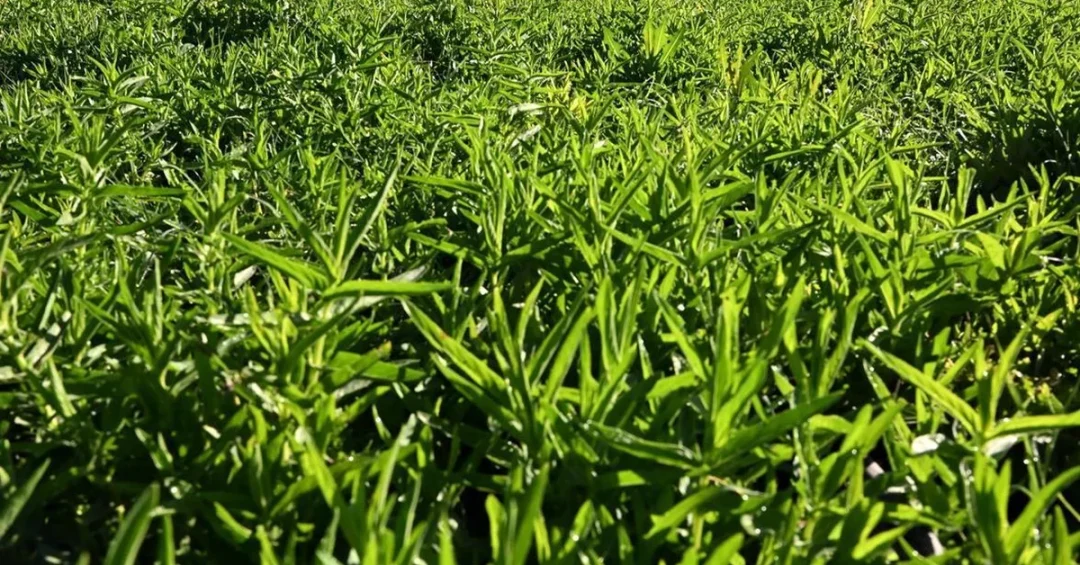
On August 17, 2026, the Saudi Culinary Arts Commission announced that 35 products from the Madinah region have been included in the global gastronomic map “Ark of Taste.” This inclusion is part of a broader initiative by the Slow Food Foundation, which lists 180 products from around the world in an online registry aimed at protecting traditional foods, supporting local producers, and preserving biodiversity and culinary heritage for future generations.
Context and Background
The “Ark of Taste” is a prestigious international catalog that highlights foods of cultural and ecological significance, often at risk of disappearing. By featuring 35 distinct items from Madinah, the Kingdom of Saudi Arabia underscores its commitment to preserving its rich culinary traditions and agricultural biodiversity. This move aligns with Saudi Vision 2030, which emphasizes cultural preservation, sustainable development, and global engagement.
Key Details
The selection includes a variety of local products, such as “Ais” wheat, “Barnee” dates, “Hasawi” mint, “Faqra” mountain honey, “Hammati” (a type of truffle), “Shrik” bread, “Basham” (a traditional herb), Madinah cabbage, and Madinah thorn, among others. These items reflect the region’s unique agricultural heritage and culinary identity, passed down through generations. The announcement was made via the Saudi Press Agency (SPA), highlighting the government’s active role in promoting local food systems.
Implications and Impact
This recognition places Saudi Arabia’s culinary heritage on a global stage, attracting international attention to its diverse local products. It supports local farmers and producers by enhancing the marketability of their goods, potentially boosting rural economies. Moreover, it fosters cultural exchange and tourism, as visitors may seek to experience these authentic tastes. The initiative also encourages sustainable farming practices, contributing to environmental conservation.
Vision 2030 Alignment
The inclusion of Madinah’s products in the “Ark of Taste” directly supports Vision 2030’s goals of preserving national heritage, promoting quality of life, and diversifying the economy. By showcasing its culinary treasures, Saudi Arabia strengthens its position as a cultural and tourism hub, while empowering local communities and ensuring the transmission of traditional knowledge to future generations.
20 Questions
Q1. What is the “Ark of Taste” registry?
A1. The “Ark of Taste” is an online catalog by the Slow Food Foundation that lists traditional foods at risk of extinction, aiming to protect biodiversity and culinary heritage by raising awareness and supporting local producers.
Q2. Who made the announcement about the 35 products?
A2. The Saudi Culinary Arts Commission made the announcement, as reported by the Saudi Press Agency, confirming the inclusion of 35 products from the Madinah region in the global “Ark of Taste” list.
Q3. How many products are featured in the global “Ark of Taste” list?
A3. The global list features 180 products selected under the “Ark of Taste” initiative, which includes the 35 products from Madinah.
Q4. What is the significance of including local products in this registry?
A4. Inclusion helps preserve traditional foods, supports local farmers, promotes cultural heritage, and increases global recognition of Saudi Arabia’s culinary diversity.
Q5. Can you name five specific products from Madinah listed?
A5. Five products include “Ais” wheat, “Barnee” dates, “Hasawi” mint, “Faqra” mountain honey, and “Shrik” bread.
Q6. How does this initiative support Vision 2030?
A6. It aligns with Vision 2030 by preserving national heritage, enhancing quality of life, boosting tourism, and promoting sustainable local economies.
Q7. What role does the Saudi Culinary Arts Commission play?
A7. The commission is responsible for developing and promoting Saudi culinary arts, including safeguarding traditional foods and facilitating their international recognition.
Q8. Why is preserving biodiversity important in the context of food?
A8. Preserving biodiversity ensures the availability of diverse genetic resources, which is crucial for food security, resilience to climate change, and maintaining cultural traditions.
Q9. How may local producers benefit from this listing?
A9. The listing can enhance market access, increase product value, and attract tourism interest, potentially boosting income for local farmers and artisans.
Q10. What is the ‘Slow Food’ movement?
A10. The Slow Food movement is a global, grassroots organization founded to prevent the disappearance of local food cultures and traditions, counteract the rise of fast food, and support sustainable agriculture.
Q11. Are there other Saudi regions included in the “Ark of Taste”?
A11. Yes, the announcement indicates that 35 products from Madinah are part of a larger list of 180 products, which may include items from other regions, though this specific release focuses on Madinah.
Q12. How does this listing promote tourism in Saudi Arabia?
A12. By highlighting unique local foods, it attracts food enthusiasts and cultural tourists interested in authentic culinary experiences, thereby enriching tourism offerings.
Q13. What is “Hammati” and where is it found?
A13. “Hammati” is a type of desert truffle found in the Madinah region, known for its distinctive flavor and traditional use in local dishes.
Q14. How does the initiative help preserve traditional knowledge?
A14. It brings attention to traditional cultivation, harvesting, and preparation methods, encouraging their documentation and transmission to younger generations.
Q15. What is the “Ais” wheat variety, and why is it important?
A15. “Ais” is a local wheat variety adapted to the Madinah climate, valued for its nutritional qualities and cultural significance in traditional bread-making.
Q16. How can consumers access these products internationally?
A16. While some products may be exported, the primary goal is to promote awareness; consumers can also experience them through Saudi culinary events and tourism.
Q17. Does the listing affect local food prices?
A17. Potentially, as increased demand may raise prices, benefiting producers, but it also encourages sustainable practices that can stabilize supply chains.
Q18. What is the role of the Saudi Press Agency in this announcement?
A18. The SPA serves as the official government news source, disseminating information about national initiatives, thereby ensuring accurate and transparent communication to the public.
Q19. How does this initiative contribute to cultural exchange?
A19. By showcasing Saudi foods globally, it invites cultural appreciation and dialogue, fostering mutual understanding and respect among nations.
Q20. What future steps are expected after this inclusion?
A20. Future steps may include increased promotional campaigns, participation in international food events, and further collaborations to protect and celebrate Saudi culinary heritage.
Reader Feedback
We value your thoughts. Please share your feedback on this article.
Your feedback helps us improve our coverage.