


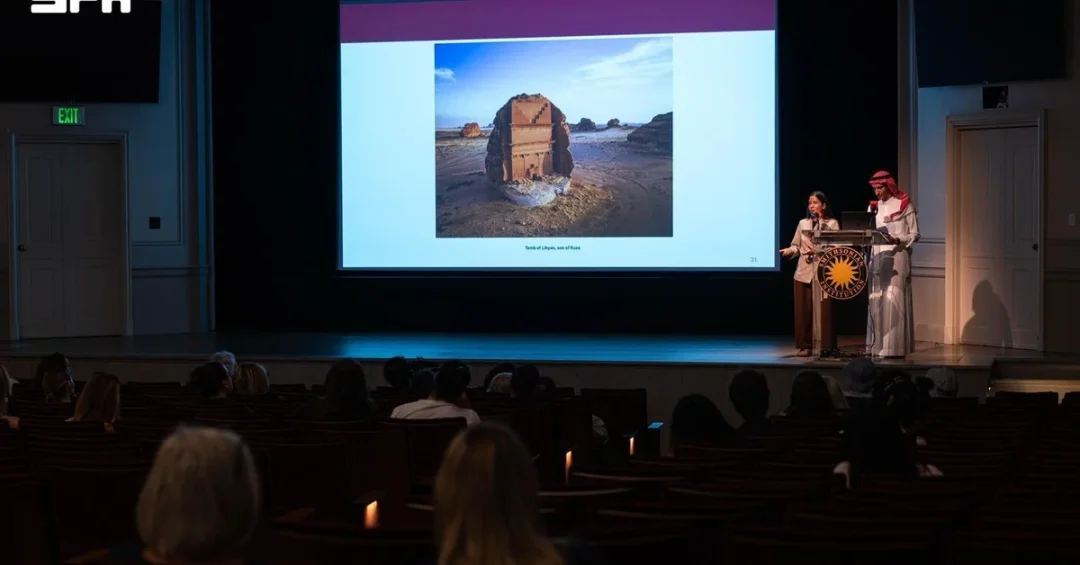
The Royal Commission for AlUla (RCU) has launched a new cultural initiative in partnership with the Smithsonian Institution’s National Museum of Asian Art in Washington, D.C., through the debut of the “Rawis in Residence” program. The initiative, announced on August 16, 2026, features Saudi storytellers Atif AlBalawi and Wedad Yaseen, who will engage international audiences in a series of interactive sessions that celebrate AlUla’s rich cultural heritage and its historical significance as a crossroads of the Incense Road.
Context and Background
The program marks the first public-facing event under the partnership agreement between RCU and the National Museum of Asian Art, reflecting Saudi Arabia’s commitment to cultural diplomacy and international exchange. It aligns with the broader objectives of Vision 2030, which prioritize the celebration and promotion of the Kingdom’s diverse heritage on a global scale. The initiative builds on prior field visits and expertise exchanges between the two institutions, aiming to merge AlUla’s historical legacy with the museum’s world-renowned presentation standards.
Key Details
The “Rawis in Residence” program consisted of three interactive sessions designed to engage visitors, families, curators, guides, and heritage specialists. The storytellers highlighted AlUla’s historical importance as a hub of cultural exchange along the Incense Road, using narrative techniques and heritage mediation to create immersive experiences. The sessions also incorporated insights from the storytellers’ previous appearances at international venues, including Beijing, the UNESCO Pavilion at the Venice Biennale, and UNESCO headquarters in Paris, ensuring a cross-cultural perspective.
International Impact
This initiative serves as a dynamic example of how the Kingdom is fostering youth talent and providing opportunities for young Saudis to represent their culture abroad. By enabling storytellers to connect with international audiences, the program enhances AlUla’s global presence and reinforces the cultural bridge between Saudi Arabia and the United States. The collaboration also underscores the RCU’s success in translating cultural heritage into engaging experiences that meet global standards.
Vision 2030 Alignment
The launch of “Rawis in Residence” is a direct reflection of Vision 2030‘s cultural goals, which celebrate national heritage, promote international cultural engagement, and support the creative industries. Through such programs, Saudi Arabia reinforces its role as a global guardian of culture, fosters mutual understanding, and demonstrates that the stories of AlUla—and the Kingdom—continue to inspire and connect people across borders. As AlUla evolves as a leading cultural destination, this initiative paves the way for future cultural collaborations that will further Saudi Arabia’s position on the world’s heritage map.
20 Questions
Q1. What is the “Rawis in Residence” program?
A1. The program is a joint cultural initiative between the Royal Commission for AlUla (RCU) and the Smithsonian Institution’s National Museum of Asian Art. It invites Saudi storytellers to engage with international audiences through interactive sessions, highlighting AlUla’s cultural and historical richness.
Q2. Which Saudi storytellers are participating?
A2. The two storytellers are Atif AlBalawi and Wedad Yaseen. They were selected to represent AlUla’s heritage and share their storytelling expertise with a global audience at the National Museum of Asian Art in Washington, D.C.
Q3. When was the program launched?
A3. The program was launched on August 16, 2026, as announced by the Saudi Press Agency. The initial sessions took place at the museum, marking a significant step in the RCU-Smithsonian partnership.
Q4. Where did the program take place?
A4. The interactive sessions were held at the National Museum of Asian Art, which is part of the Smithsonian Institution in Washington, D.C., USA. This venue served as a stage for the cultural exchange between AlUla’s storytellers and global audiences.
Q5. What is the main goal of this initiative?
A5. The goal is to promote international cultural dialogue and showcase AlUla’s heritage, which is central to the region’s identity. The program also aims to empower youth talent and contribute to Saudi Vision 2030’s objectives of celebrating cultural heritage and strengthening global presence.
Q6. How is the program structured?
A6. The program consisted of three interactive sessions, each designed to engage different audiences, including families, curators, and heritage specialists. Through storytelling and activities, participants explored AlUla’s historical landmarks and its role on the Incense Road.
Q7. What does “Rawi” mean?
A7. “Rawi” is an Arabic term for a storyteller or narrator. The concept is developed in this program to serve as a cultural ambassador, using traditional storytelling and modern interpretation to bring history to life.
Q8. What aspects of AlUla’s culture were highlighted?
A8. The sessions emphasized AlUla’s historical significance as a crossroads of trade and cultural exchange along the incense routes. The storytellers also highlighted the region’s archaeological treasures, including Nabataean monuments and ancient oases, demonstrating its lasting cultural impact.
Q9. How does this program relate to the partnership between RCU and the museum?
A9. This is the first public event resulting from the partnership agreement. It sets the stage for future collaborative projects, bringing together RCU’s heritage expertise and the museum’s commitment to showcasing Asian art and cultural narratives.
Q10. What is the significance of the Incense Road to AlUla?
A10. The Incense Road was a major trade route that passed through AlUla, making it a prosperous center for the exchange of frankincense, myrrh, and other luxury goods. This historical trade role established AlUla as a melting pot of cultures and influences.
Q11. How does this initiative impact youth in AlUla?
A11. The program offers local youth a platform to develop their skills in storytelling and heritage interpretation, and it prepares them to become future ambassadors. It aligns with Vision 2030’s goal of enabling youth to contribute to the Kingdom’s cultural and economic ambitions.
Q12. What prior international exposure have AlUla storytellers had?
A12. The storytellers have previously participated in events at Beijing’s museums, the UNESCO Pavilion at the Venice Biennale, and UNESCO headquarters in Paris. These appearances helped refine their storytelling craft and prepared them for the residency at the Smithsonian.
Q13. How does the program enhance the visitor experience at the museum?
A13. The interactive and immersive storytelling invites visitors to actively engage with AlUla’s history, making it more accessible and memorable. The sessions also provide a unique perspective that complements the museum’s permanent collection, drawing visitors to explore cultural connections.
Q14. What does this collaboration mean for the Smithsonian?
A14. For the Smithsonian, it enriches its global programming by offering audiences a fresh perspective on Arabian heritage. The collaboration demonstrates the institution’s commitment to diversity, fostering mutual respect and understanding, and reinforcing its role as a leader in cultural exchange.
Q15. How does the program support cultural diplomacy between the U.S. and Saudi Arabia?
A15. The program acts as a soft power bridge, deepening ties through shared cultural appreciation. It showcases Saudi Arabia’s openness and heritage, while also offering American audiences a unique chance to explore a significant part of the Arabian cultural landscape.
Q16. What are the future plans for the “Rawi” program?
A16. Following the success of this residency, RCU and the Smithsonian will explore expanding the program to other cities and institutions. The model may be adapted for virtual or traveling exhibitions, allowing AlUla’s stories to reach even broader international audiences.
Q17. How does this initiative align with Vision 2030?
A17. It supports Vision 2030’s heritage pillar, which aims to celebrate Saudi Arabia’s cultural identity and share it with the world. By enabling local storytellers and positioning AlUla as a global cultural destination, the program contributes directly to the Kingdom’s international goals.
Q18. What type of expertise is being exchanged between the two institutions?
A18. The exchange focuses on heritage interpretation, storytelling methodologies, and audience engagement techniques. RCU brings its intimate knowledge of AlUla’s sites and living heritage, while the museum contributes its international museum experience and curator approaches.
Q19. How can the public get involved in future programs?
A19. Future events and programs will be publicized through the National Museum of Asian Art’s official channels and RCU’s communication platforms. The audience can attend sessions, participate in workshops, or engage online to experience AlUla’s culture.
Q20. What is the overarching message of this initiative?
A20. The initiative reflects Saudi Arabia’s commitment to preserving and honoring its cultural heritage while building bridges with the world. It conveys the message that cultural diversity and collaboration are key to a peaceful, interconnected future, exactly what Vision 2030 aims to achieve.
Reader Feedback
We value your thoughts. Please share your feedback on this article.
Your feedback helps us improve our coverage.