


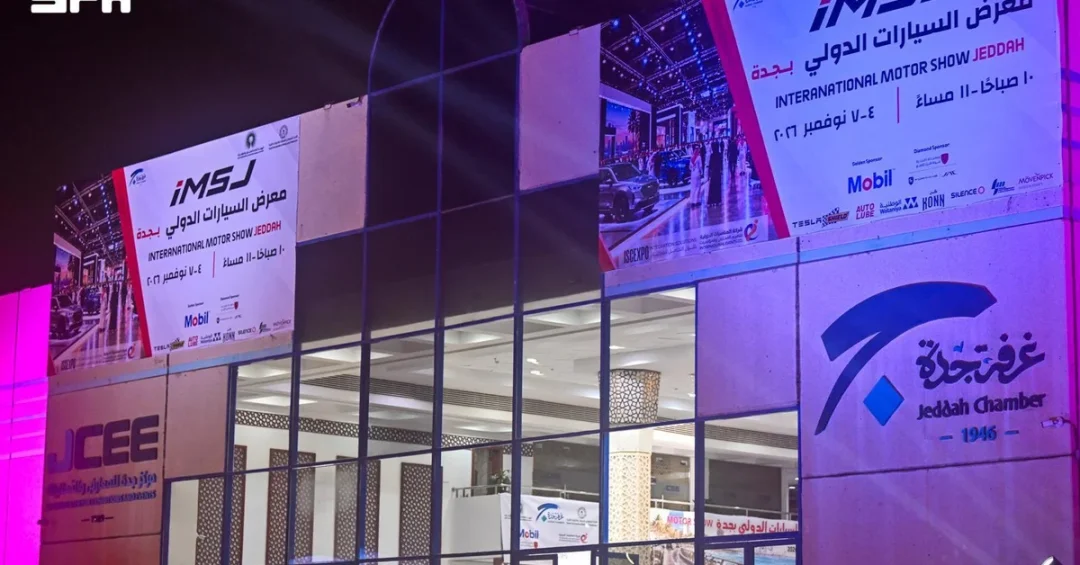
The 20th Jeddah International Motor Show 2026 concluded today at the Jeddah International Exhibition and Convention Center, bringing together automotive and related service companies and highlighting investment opportunities in electric vehicle manufacturing and sustainable transport, in line with Saudi Vision 2030 objectives. The event, held under the patronage of the Saudi government, showcased the Kingdom’s growing role as a hub for automotive innovation and green mobility. It attracted local dealerships, global manufacturers, insurance companies, digital lending platforms, fintech firms, and spare parts suppliers, all eager to contribute to the sector’s transformation. The exhibition underscored Saudi Arabia’s commitment to diversifying its economy and reducing carbon emissions through advanced transport solutions. As the curtains fell on this milestone edition, participants and visitors alike reflected on the tangible progress made in aligning the automotive industry with the Kingdom’s long-term sustainability goals. The show’s success signals a bright future for electric vehicles and smart mobility in the region.
The event was not merely a display of vehicles but a dynamic platform for forging partnerships and exploring cutting-edge technologies. It featured test drives, simulation zones, and competitions that highlighted the ingenuity of entrepreneurs and the appetite for innovation among Saudi youth. With a focus on electric vehicle manufacturing, charging infrastructure, and digital financing, the exhibition demonstrated how Saudi Arabia is positioning itself at the forefront of the global shift toward sustainable transport. The presence of international participants and the signing of strategic agreements further cemented the Kingdom’s reputation as a preferred destination for automotive investment and collaboration. As the automotive landscape evolves, Jeddah’s motor show stands as a testament to Saudi Arabia’s proactive approach to embracing change and fostering economic growth.
Context and Background
How did the Jeddah International Motor Show evolve into a premier automotive event in the Middle East? Launched two decades ago, the show has grown in stature and scope, mirroring Saudi Arabia’s broader economic diversification efforts under Vision 2030. Initially focused on conventional vehicles, it has shifted its emphasis to electric and sustainable transport, reflecting global trends and the Kingdom’s environmental commitments. The 20th edition, held from November 5 to 7, 2026, built on this legacy by showcasing the latest advancements in EV technology, charging infrastructure, and smart mobility solutions. It provided a comprehensive overview of the automotive value chain, from manufacturing to financing and after-sales services. The event’s evolution parallels Saudi Arabia’s journey toward a knowledge-based economy, where innovation and sustainability are key drivers of progress.
The show’s timing is significant, coming amid Saudi Arabia’s aggressive push to localize automotive manufacturing and reduce reliance on oil revenues. The Kingdom has set ambitious targets to increase the share of electric vehicles on its roads and to develop a robust domestic supply chain. The Jeddah International Motor Show serves as a vital conduit for attracting foreign expertise and investment, while also nurturing local talent and entrepreneurship. By bringing together stakeholders from across the globe, it facilitates knowledge transfer and best practices that are essential for building a competitive automotive sector. Moreover, the event aligns with the National Industrial Development and Logistics Program (NIDLP), which aims to transform Saudi Arabia into a leading industrial power and logistics hub. The 20th edition thus represents a confluence of strategic initiatives designed to propel the Kingdom into a new era of mobility.
Key Details
What specific agreements and innovations emerged from this year’s exhibition? During the three-day event, local dealerships and global manufacturers signed strategic agreements to enhance supply chain efficiency and expand networks for alternative-energy vehicles and charging infrastructure. These agreements are expected to accelerate the deployment of electric vehicles and plug-in hybrids across the Kingdom, while also improving the availability of fast-charging stations. Insurance companies, digital lending platforms, and fintech firms presented specialized financing solutions and coverage programs for smart vehicles, addressing a critical barrier to adoption: affordability and risk management. Spare parts companies unveiled plans to supply components for modern and electric vehicles at competitive prices, along with flexible maintenance options to reduce operating costs. This holistic approach ensures that consumers and businesses have access to comprehensive support throughout the vehicle lifecycle.
Visitors had the opportunity to test-drive new vehicles on dedicated tracks and explore safety and driver-assistance technologies in simulation zones. These interactive experiences allowed attendees to firsthand experience the performance, comfort, and advanced features of electric and autonomous vehicles. The event also hosted the International Innovation Challenge and Automotive Hackathon, where entrepreneurs developed AI-powered software for fleet management and predictive maintenance over 36 hours. A discussion program addressed investment in clean transport and the digital customer experience, featuring experts from Saudi Arabia and abroad. The hackathon winners were awarded prizes and incubation opportunities, highlighting the Kingdom’s commitment to fostering homegrown innovation. The combination of exhibitions, test drives, and competitions created a vibrant ecosystem that showcased the full spectrum of the automotive industry’s future.
International and Regional Impact
How does the Jeddah International Motor Show influence the broader Middle East and beyond? The event attracted participation from major global automakers, reinforcing Saudi Arabia’s position as a key market and partner in the automotive sector. It provided a platform for international companies to showcase their latest models and technologies, while also learning about local market preferences and regulatory frameworks. The strategic agreements signed during the show are likely to have ripple effects across the region, as neighboring countries look to Saudi Arabia as a bellwether for electric mobility adoption. The presence of fintech and insurance firms from various countries underscores the cross-border nature of the automotive ecosystem and the potential for regional collaboration. By facilitating these connections, the show enhances Saudi Arabia’s soft power and economic influence in the Middle East and North Africa.
Regionally, the exhibition supports the goals of the Gulf Cooperation Council (GCC) to diversify economies and promote sustainable development. It aligns with initiatives such as the GCC’s unified electric vehicle charging network and the broader Arab world’s interest in clean energy. The knowledge shared during the discussion programs can inform policies in other countries, helping to create a more integrated regional market for electric vehicles. Furthermore, the show’s focus on AI and digital solutions resonates with the digital transformation agendas of many nations, positioning Saudi Arabia as a leader in smart mobility. As the Kingdom continues to host such high-profile events, it strengthens its role as a convener of global stakeholders and a driving force behind the region’s transition to sustainable transport.
Economic and Strategic Significance
What economic benefits does the motor show bring to Saudi Arabia and its partners? The event generated significant business opportunities, with agreements worth millions of riyals signed on the sidelines. It stimulated local spending in hospitality, transportation, and retail, providing a boost to Jeddah’s economy. More importantly, it catalyzed long-term investments in electric vehicle manufacturing, charging infrastructure, and related services, which are expected to create jobs and foster innovation. The involvement of fintech and digital lending platforms highlights the role of financial technology in enabling consumers to afford electric vehicles, thereby expanding the market. Spare parts companies’ plans to localize production and offer competitive pricing will reduce import dependence and enhance the resilience of the automotive supply chain. These developments contribute to Saudi Arabia’s goal of increasing the manufacturing sector’s contribution to GDP.
Strategically, the show reinforces Saudi Arabia’s commitment to sustainable development and climate action. By promoting electric vehicles, the Kingdom is taking concrete steps to reduce carbon emissions and improve air quality in its cities. This aligns with the Saudi Green Initiative and the Middle East Green Initiative, which aim to plant billions of trees and reduce emissions. The focus on clean transport also supports the Kingdom’s efforts to diversify energy sources and reduce domestic oil consumption, freeing up more crude for export. Moreover, the event showcases Saudi Arabia’s ability to host world-class exhibitions and attract global attention, enhancing its reputation as a dynamic and forward-looking nation. The strategic partnerships formed here will help build a local automotive ecosystem that can serve as a model for other sectors.
Vision 2030 Alignment
How does the Jeddah International Motor Show contribute to Saudi Vision 2030? The event directly supports the Vision’s objectives of economic diversification, sustainable development, and enhanced quality of life. By promoting electric vehicles and smart mobility, it helps reduce the Kingdom’s carbon footprint and dependence on oil, while creating new industries and job opportunities. The show’s emphasis on innovation and entrepreneurship nurtures a knowledge-based economy, in line with Vision 2030’s goal of fostering a thriving private sector. The agreements signed and technologies showcased will accelerate the development of a local automotive industry, contributing to the target of increasing non-oil exports. Furthermore, the event enhances Saudi Arabia’s global engagement and soft power, as it brings together international stakeholders to collaborate on shared challenges.
In the long term, the Jeddah International Motor Show will continue to be a catalyst for the Kingdom’s automotive transformation. It provides a platform for continuous learning and adaptation, ensuring that Saudi Arabia remains at the forefront of mobility trends. As the nation progresses toward Vision 2030, such events will play a crucial role in building a resilient, diversified economy and a sustainable future. The 20th edition has set a high bar for future shows, demonstrating the potential of public-private partnerships and international cooperation. With each passing year, the show will likely grow in influence, further solidifying Saudi Arabia’s position as a leader in the global automotive landscape and a champion of sustainable transport.
20 Questions
Q1. What was the 20th Jeddah International Motor Show?
A1. The 20th Jeddah International Motor Show was a major automotive exhibition held in Jeddah, Saudi Arabia, showcasing electric vehicles, sustainable transport, and investment opportunities aligned with Saudi Vision 2030.
Q2. Where and when did the event take place?
A2. It took place at the Jeddah International Exhibition and Convention Center from November 5 to 7, 2026, concluding on November 7.
Q3. Who participated in the exhibition?
A3. Participants included local dealerships, global manufacturers, insurance companies, digital lending platforms, fintech firms, and spare parts companies from Saudi Arabia and abroad.
Q4. What types of agreements were signed during the show?
A4. Strategic agreements were signed to enhance supply chain efficiency, expand networks for alternative-energy vehicles, and develop charging infrastructure.
Q5. How did the event support electric vehicle manufacturing?
A5. It highlighted investment opportunities in EV manufacturing and facilitated partnerships to localize production and improve supply chains.
Q6. What financing solutions were presented?
A6. Insurance companies and fintech firms offered specialized financing and coverage programs for smart vehicles, making them more accessible to consumers.
Q7. What did spare parts companies announce?
A7. They announced plans to supply components for modern and electric vehicles at competitive prices and offer flexible maintenance options.
Q8. What interactive activities were available for visitors?
A8. Visitors could test-drive new vehicles on dedicated tracks and explore safety and driver-assistance technologies in simulation zones.
Q9. What was the International Innovation Challenge and Automotive Hackathon?
A9. It was a 36-hour competition where entrepreneurs developed AI-powered software for fleet management and predictive maintenance.
Q10. What topics were discussed in the program?
A10. Discussions covered investment in clean transport and the digital customer experience, featuring experts from Saudi Arabia and internationally.
Q11. How does the event align with Saudi Vision 2030?
A11. It supports economic diversification, sustainability, and quality of life improvements by promoting electric vehicles and smart mobility.
Q12. What is the significance of the event for Saudi Arabia’s economy?
A12. It stimulates investment, creates jobs, and helps build a local automotive industry, reducing dependence on oil revenues.
Q13. How does the show impact the regional automotive market?
A13. It sets trends and fosters collaboration, influencing neighboring countries to adopt similar sustainable transport initiatives.
Q14. What role did fintech play at the exhibition?
A14. Fintech firms provided digital lending and payment solutions, making it easier for consumers to purchase electric vehicles.
Q15. Were there any international participants?
A15. Yes, global manufacturers and service providers participated, showcasing their latest technologies and seeking partnerships in the Saudi market.
Q16. What are the expected outcomes of the agreements signed?
A16. They are expected to accelerate EV adoption, improve charging infrastructure, and enhance the overall efficiency of the automotive supply chain.
Q17. How does the event promote sustainability?
A17. By focusing on electric vehicles and clean transport, it supports Saudi Arabia’s environmental goals and reduces carbon emissions.
Q18. What opportunities are there for entrepreneurs?
A18. The hackathon and innovation challenge provide a platform for entrepreneurs to develop and showcase AI-driven solutions for the automotive sector.
Q19. How does the show enhance Saudi Arabia’s global standing?
A19. It positions the Kingdom as a hub for automotive innovation and a leader in sustainable transport, attracting international attention and partnerships.
Q20. What can we expect from future editions of the show?
A20. Future editions will likely continue to grow, showcasing more advanced technologies and further contributing to Saudi Arabia’s Vision 2030 goals.
Reader Feedback
We value your thoughts. Please share your feedback on this article.
Your feedback helps us improve our coverage.
Related articles
 Commerce Ministry Recalls 4,565 Toyota Urban Cruisers
 Jeddah Motor Show 2026 Highlights Tech Innovation
 Jeddah International Motor Show Opens 20th Edition
 Saudi Ministry Recalls 6,388 Mercedes-Benz S-Class Vehicles
 Saudi Ministry Recalls 2,888 Lucid Air Vehicles Over Lighting Defect
 80 Injured as Bus Plunges Down Ravine Near Barcelona